Nutrition en plein air : comment bien s’alimenter selon l’activité

Outdoor nutrition: how to fuel your body based on the activity

6 minutes
Whether you're heading out for a few hours of hiking, a long bike ride, a trail running workout, or a day of cross-country skiing, your nutrition plays a key role in your energy level, endurance, and recovery.

Eating well outdoors means choosing the right foods based on the activity you're doing, as well as its duration, intensity, and the weather conditions.

In this guide, you'll learn how to adapt your nutrition to your favourite outdoor activities so you can maintain your energy from the beginning of your adventure to the very end.
The basics of outdoor nutrition
Before choosing sports nutrition products for your outdoor activity, it's important to understand what your body needs to maintain its energy throughout your adventure.

During physical activity, your body relies on three main macronutrients for energy:
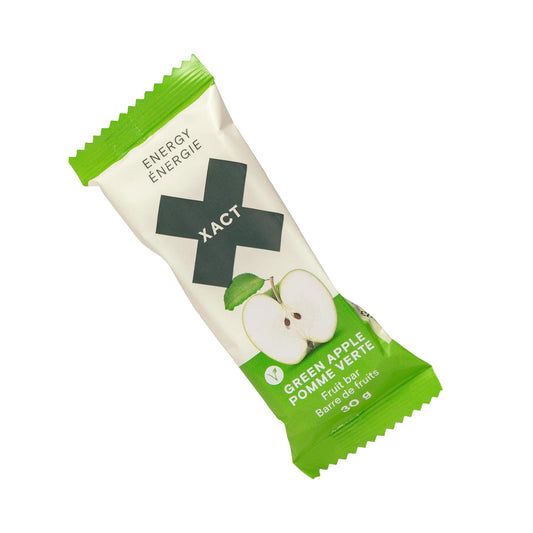
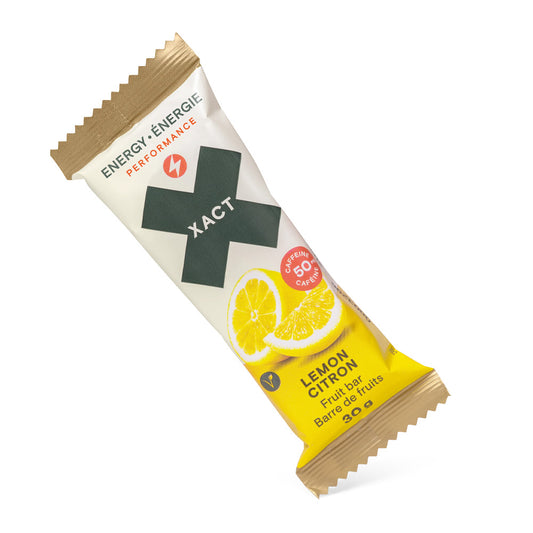
  • Carbohydrates: they provide your body with energy during high-intensity activities, such as cycling and running. These macronutrients are quickly used by the body and are found in fruits, grain-based foods, and many sports nutrition products.
  • Fats: they provide a longer-lasting source of energy. Because they are digested more slowly, they are especially beneficial during prolonged, low- to moderate-intensity activities, such as hiking. Nuts, oils, seeds, sports nutrition products, and certain grain-based foods are all good sources of healthy fats.
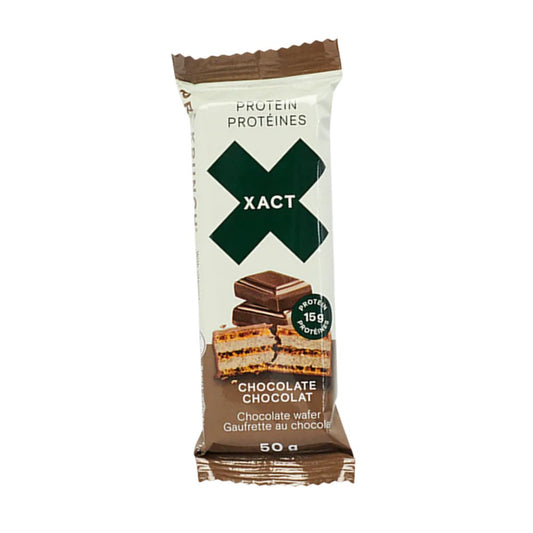
  • Protein: protein helps support energy levels and muscle recovery. It can be found in legumes, dairy products, eggs, fish, meat, and even some energy bars.

Macronutrient needs vary depending on the type of outdoor activity, as well as its duration, intensity, and weather conditions. Read on to discover which nutrition strategies and products are best suited to your favourite outdoor activities.
Hiking nutrition
Hiking is generally a moderate-intensity activity, but its duration can range from a few hours to several days. Energy expenditure increases with distance, elevation gain, and pack weight. Regardless of the route, the goal is to provide your body with the energy it needs to sustain a steady effort throughout the day.
Day hikes
For a hike lasting a few hours, choose foods that are easy to carry, compact, and convenient to eat on the trail. A good strategy is to pack snacks that provide a balance of carbohydrates, healthy fats, and protein.

Some of the most popular hiking snacks include trail mix, dried fruit, nuts, energy bars, and jerky.

For longer or more demanding hikes, consider packing a more filling lunch, such as a sandwich or pasta salad. These options provide a good balance of carbohydrates, protein, and healthy fats without being too heavy to digest.

Pro tip: regardless of the activity, a good nutrition strategy is to eat a small snack every 60 minutes to maintain a steady supply of energy. Don't wait until you're hungry to eat, fueling regularly in small amounts can help prevent energy crashes.
Multi-day hiking trips
For multi-day hikes, nutrition requires more planning. In addition to meeting your daily energy needs, you'll need to consider pack weight, available space, and meal preparation requirements.

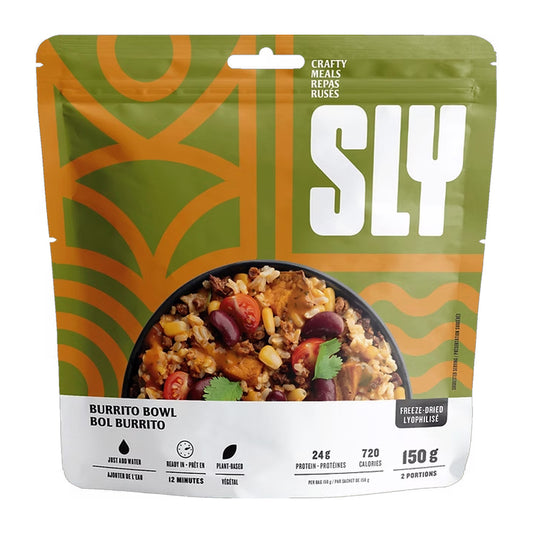
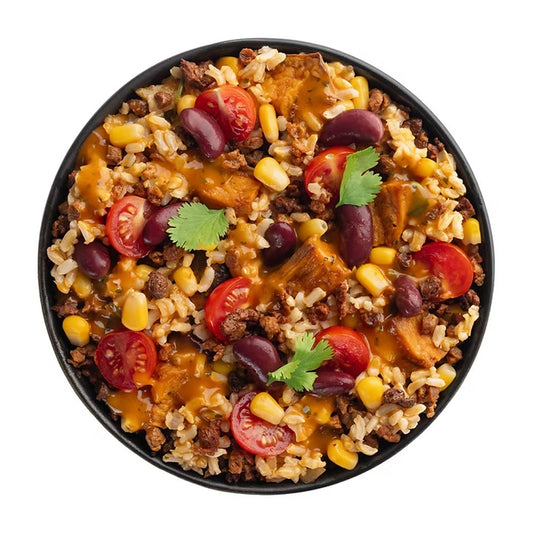
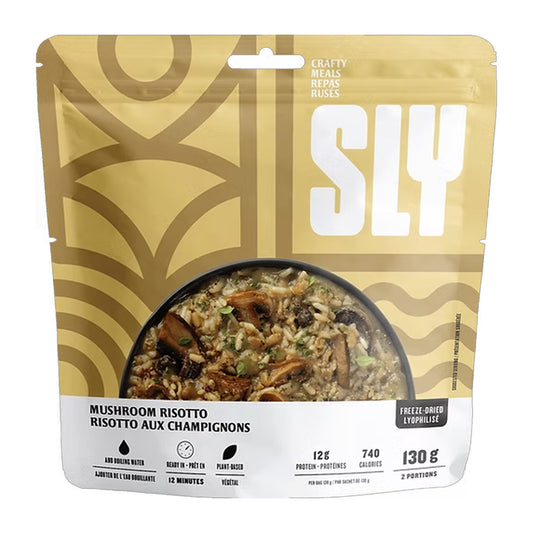
In this context, freeze-dried meals are especially popular because they offer an excellent balance between weight and caloric value. Lightweight and quick to prepare, they help reduce the amount of food you need to carry while simplifying meal planning.

For breakfast, lightweight, carbohydrate-rich foods such as oatmeal, cereal, and dried fruit are excellent choices. For dinner, combining carbohydrates and protein can help replenish energy stores and support muscle recovery after a long day on the trail.

Throughout the day, snacks remain essential for maintaining steady energy levels. Refer to the recommendations for day hikes when choosing trail snacks.

When cooking in the backcountry, it's important to bring lightweight, compact, and practical gear. Check out our article on essential hiking equipment to discover the must-have equipment for outdoor cooking.
Nourriture_lyophilisee
Camping nutrition
Campground camping often allows you to prepare meals much like you would at home, while backcountry camping requires more planning. In both cases, the goal is to eat nutritious meals that provide enough energy to fully enjoy your daily activities.
Campground camping
With access to a cooler, a camp stove, and sometimes even electricity, campground camping offers plenty of flexibility when it comes to meal planning. You can prepare complete meals that include carbohydrates, protein, and vegetables using both perishable and non-perishable foods.

For breakfast, oatmeal topped with dried fruit, eggs, or pancakes are simple and nourishing options. Sandwiches, pasta salads, and wraps make excellent lunches, while grilled meals, stews, or foil packet dinners cooked over the campfire are perfect for supper.

It's still a good idea to bring enough non-perishable food and freeze-dried meals to be prepared for unexpected situations.

You should also plan energy-rich snacks based on the activities you intend to do during your camping trip.
Backcountry camping
When camping in the backcountry, weight and pack space become important considerations. Meals should provide plenty of energy while remaining lightweight, compact, and easy to prepare.

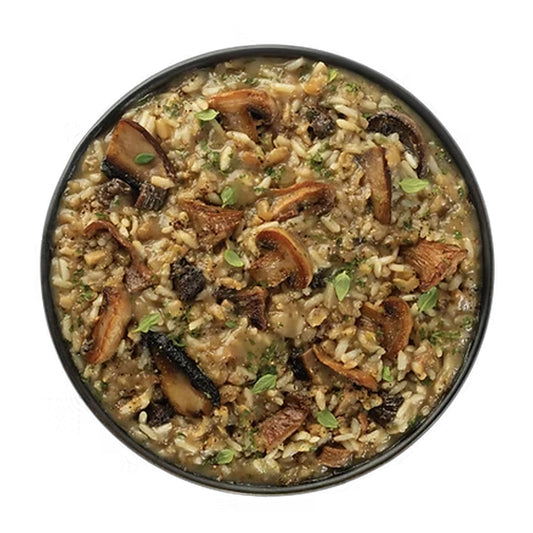
Freeze-dried meals are among the most popular options because they have a long shelf life, take up very little space, and usually require only hot water to prepare. From vegetable pad thai and tomato macaroni to chili, braised pork, and mushroom risotto, there is a wide variety of freeze-dried meals available to suit every taste. There are even options for breakfast, such as oatmeal, and desserts like apple crumble.

For day-to-day activities, energy snacks, nuts, dried fruit, and trail mix are excellent choices for keeping your energy levels up without having to stop and cook.

When it comes to backcountry camping, the key is to plan your meals carefully to ensure adequate energy intake, minimize bulk, and simplify meal preparation.
Get equipped for camping cooking
Planning your meals is important, but having the right cooking equipment is just as essential. Check out our guide to essential camping equipment to find everything you need to cook outdoors and enjoy your meals in the backcountry or at the campground.
Cycling nutrition
Cycling is a high-intensity endurance activity that can quickly lead to significant energy expenditure, especially when rides last several hours. The goal is to maintain consistent energy levels from start to finish to support prolonged effort.

A simple rule of thumb is to eat small amounts regularly and drink fluids frequently throughout your ride. Energy crashes, dizziness, or muscle cramps are often signs that it's time to refuel.
Road, gravel and mountain biking
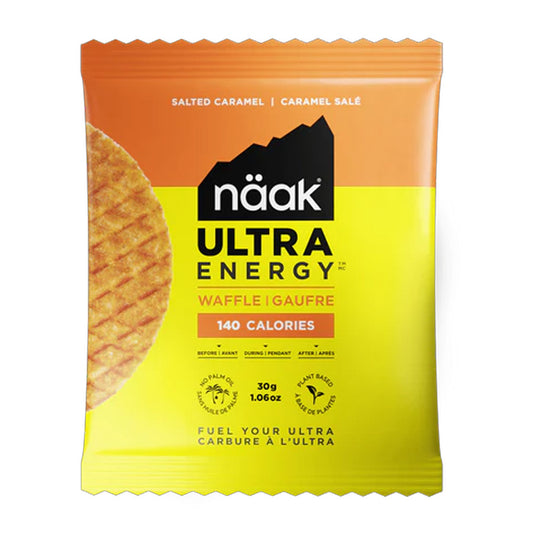
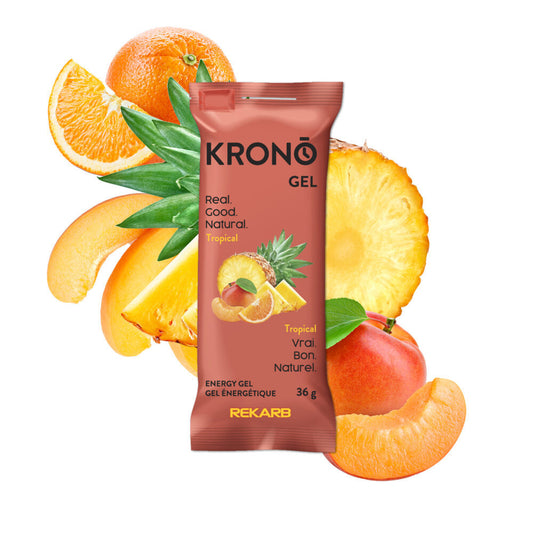
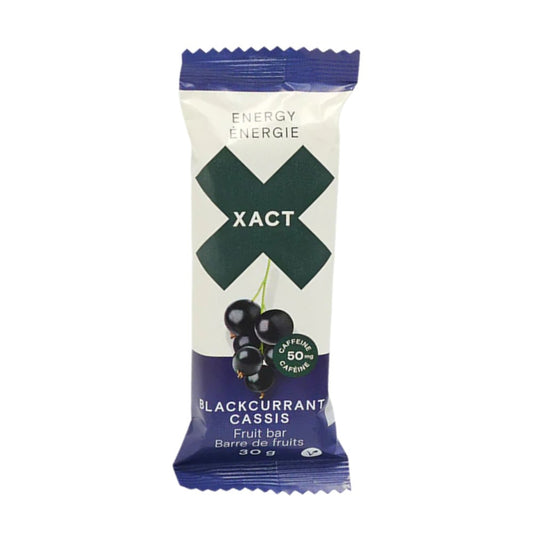
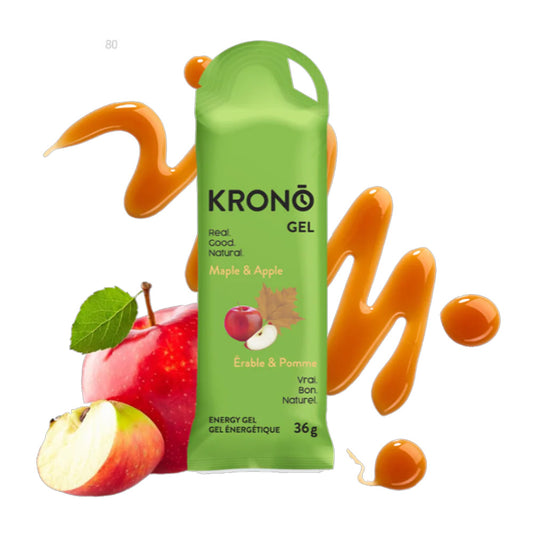
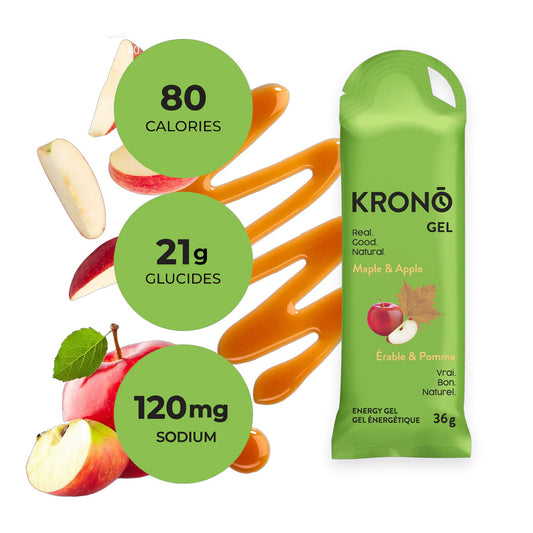
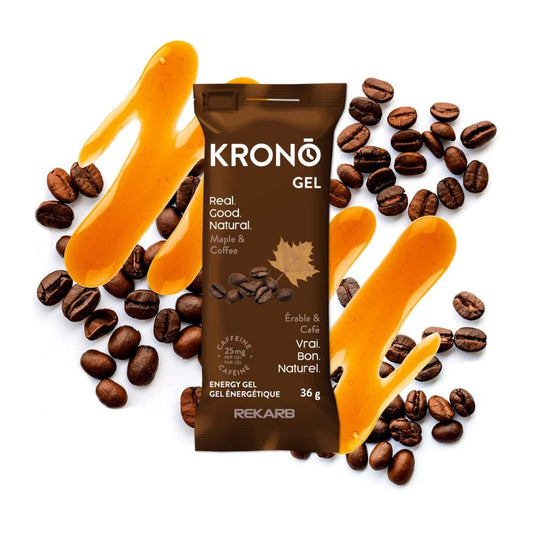
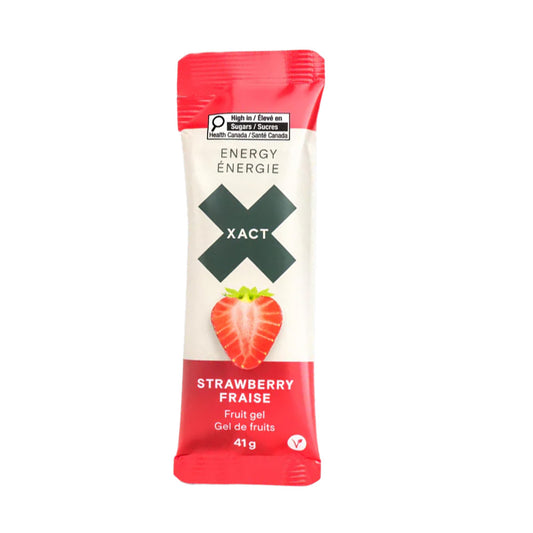
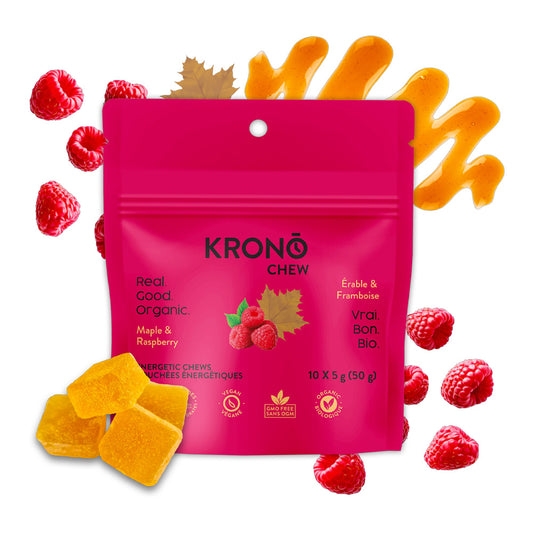
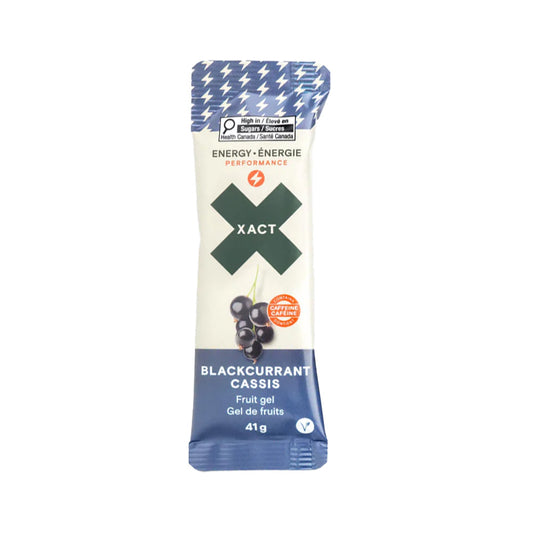
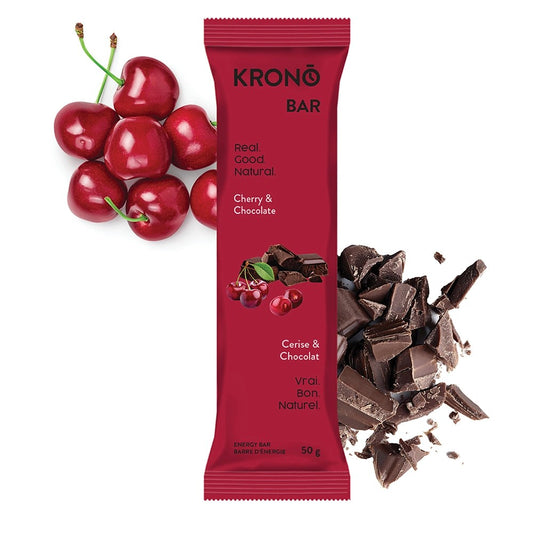
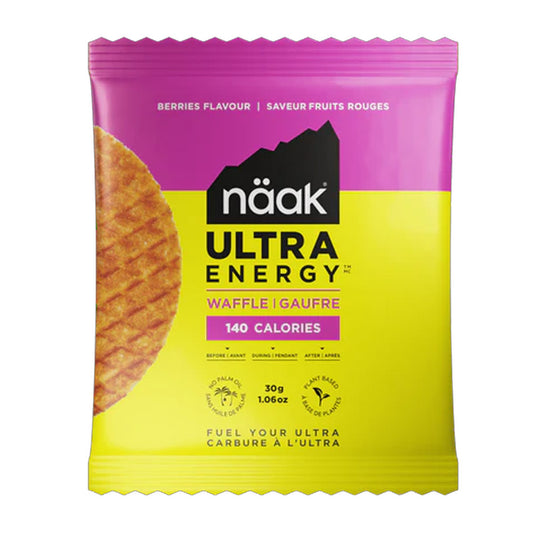
Because cycling is a high-intensity activity, it's important to choose carbohydrate-rich foods that are both easy to eat while riding and easy to digest. Cyclists often rely on energy gels, energy chews, and energy bars to fuel their rides. These convenient, carbohydrate-rich snacks help maintain steady energy levels throughout your ride.

For gravel and mountain biking, where technical terrain and remote locations can make refuelling more challenging, it's especially important to pack enough nutritious, easy-to-carry snacks.

Pro tip: for endurance activities such as cycling, running, and cross-country skiing, it's important to test your nutrition strategy ahead of time. Everyone responds differently to food and sports nutrition products, so it's a good idea to experiment during training sessions and long rides before relying on them during an event or major adventure.
Barre_energisante
Running nutrition
Running is a high-intensity sport that quickly depletes your body's energy reserves. The goal is, therefore, to adopt a nutrition strategy that matches the duration of your run in order to maintain energy levels and delay fatigue by providing a steady supply of carbohydrates. 

As with cycling, it's best to choose carbohydrate-rich snacks that are easy to carry, consume, and digest. During high-intensity exercise, your body directs much of its energy toward working muscles, which can slow digestion, that's why easily digestible carbohydrate sources are often the preferred choice for runners.
Road running
For shorter daily runs, a balanced diet is usually enough to meet your energy needs. However, as distances increase, especially when training for a half marathon, marathon, or other long-distance event, nutrition during exercise becomes increasingly important.

Energy gels, energy chews, fruit purées, and electrolyte drinks are among the most popular fuelling options for road runners. Easy to carry and consume while moving, these products help maintain a steady energy supply while minimizing digestive discomfort.
Trail running
Trail running presents additional challenges because efforts are often longer, elevation gain is greater, and conditions can be more unpredictable. During long runs and ultramarathons, energy demands can extend over several hours or even an entire day.

To avoid energy crashes, many trail runners alternate between different fuel sources. Energy gels, fruit purées, soft energy bars, dried fruit, and electrolyte drinks help provide variety in both texture and flavour throughout the effort.

No matter what type of running you do, the best approach is to eat before you're hungry and drink before you're thirsty. This can help prevent energy lows that may quickly impact both performance and enjoyment on the trail or road.
Winter sports nutrition
When participating in winter outdoor activities, energy needs are often higher than people realize. In addition to fuelling physical activity, the body must burn extra calories to maintain its core temperature in cold conditions.

The goal is to provide your body with enough energy to support physical performance while helping it cope with the demands of cold weather.
Cross-country skiing
Cross-country skiing is one of the most demanding endurance sports because it engages the legs, core, and upper body simultaneously. Depending on the duration and intensity of the outing, energy requirements can increase quickly.

For shorter outings, proper hydration and a balanced meal before heading out are generally sufficient.

When the effort extends beyond 90 minutes, it becomes beneficial to add carbohydrate-rich snacks to maintain consistent energy levels. Dried fruit, trail mix, energy bars, energy chews, and sports drinks are all well suited to this type of activity.
Alpine touring skiing
Alpine touring skiing combines cardiovascular and muscular effort on the ascent with descents that require focus and coordination. Long days in the mountains therefore require a nutrition strategy that supports both physical performance and mental alertness.

Carbohydrate-rich foods remain the primary source of energy. Dried fruit, fruit purées, energy bars, crackers, muffins, and sandwiches are all popular options because they are easy to carry and quick to eat during breaks.

For outings lasting several hours, it can also be beneficial to include foods that contain protein and healthy fats to provide longer-lasting energy.

Pro tip: choose energy snacks that are easy to eat in cold weather. Some energy bars can become extremely hard when temperatures drop, making them difficult to chew.
The importance of hydration
Hydration is just as important as nutrition when participating in outdoor activities. Even mild dehydration can lead to reduced energy levels, decreased concentration, and lower physical performance.

Water needs vary depending on the duration and intensity of the activity, as well as weather conditions. During prolonged efforts or in hot weather, water alone may not be enough to replace what is lost through sweat. Electrolyte drinks and mixes can help replenish important minerals. In winter, it is just as important to drink regularly, even though the sensation of thirst is often less noticeable.

Whether you use a water bottle, an insulated bottle, or a hydration reservoir, make sure you always have access to a reliable water source during your adventures.

If you plan to collect water directly from natural sources, check out our guide to the best outdoor water treatment systems to learn how to filter or purify water safely.

A good nutrition strategy can make all the difference between an enjoyable outdoor adventure and a day marked by fatigue. By choosing foods that match your activity and its duration, you'll be able to make the most of every mile, no matter the season.

FAQ – Frequently asked questions about outdoor nutrition

What is the difference between an energy bar and a protein bar?

Energy bars are primarily made of carbohydrates and are designed to provide quick energy during physical activity. They are especially well suited for endurance sports such as hiking, cycling, and running. Protein bars, on the other hand, contain more protein and are often consumed after exercise to support muscle recovery. Both types of bars can be useful, but they serve different purposes.

What should you eat after an outdoor activity to support recovery?

After physical activity, it is recommended to consume a combination of carbohydrates and protein to replenish energy stores and support muscle recovery. A sandwich, yogurt with fruit, a mix of nuts and dried fruit, a smoothie, or a protein bar are all excellent options. Be sure to rehydrate as well to replace fluids lost during exercise.

Which foods should you avoid before a hike, run, or bike ride?

Before physical activity, it is best to avoid foods that are high in fat, very spicy, or rich in fibre, as they can slow digestion and cause gastrointestinal discomfort. Fried foods, large meals, certain pastries, and other hard-to-digest foods may negatively affect your comfort during exercise. Instead, choose carbohydrate-rich foods that are easy to digest, such as fruit, oatmeal, cereal, or grain-based products.

Explore more tips and advice

Montre_entrainement

How to choose the right training watch?

No matter your favourite outdoor activity, a training watch can become an essential tool for tracking workouts and reaching your goals. Discover the key features to consider and learn how to choose the best watch for your needs.
Filtre_a_eau_46fad297-1e01-4026-8c02-03e07cb9b4bf

Which water treatment system should you choose for the outdoors?

Whether you’re heading out on a hike or a multi-day expedition, access to safe drinking water is essential. Discover the different water treatment systems and choose the best option for your outdoor needs.
Course_en_sentier_-_La_Cordee

Pleasure and Performance: The Virtues of Trail Running

Most runners spend a significant amount of time running on the road or track to improve their performance.
Share this article