

The essential equipment for a day hike or multi-day day hike
6 minutes
Having the right hiking equipment can make all the difference, whether you’re heading out for a day hike or a multi-day hike. With equipment suited to your type of adventure, you’ll be able to enjoy the trails worry free.
Here’s a practical guide to help you prepare your hiking equipment for the season.
First, it’s important to have a backpack, hiking poles, and hiking shoes suited to the type of hiking you plan to do.
Choosing the right hiking backpack depends on the length of your adventure. For a day hike, opt for a 30 to 50 L backpack. For multi-day hikes, prioritize backpacks ranging from 50 to 70 L. Learn how to choose the right hiking backpack and, most importantly, how to adjust it properly.
Hiking poles provide added stability and comfort on the trails. To choose the right model, consider the length of your hikes, how often you hike, and the types of terrain you plan to explore.
Choosing the right hiking shoes is just as important for successful hikes. Take the time to define the type of hiking you want to do before choosing a new pair of shoes. Make sure you’re properly equipped with our hiking footwear guide.

Equipment for a day hike
Hydration
To stay properly hydrated throughout the day, bring one or more water bottles or opt for a hydration reservoir if your backpack allows it. You can also add electrolytes to your water for optimal hydration.
Nutrition
Choose energizing snacks such as energy bars, energy gels, nuts, or even dark chocolate. These snacks will help you maintain your energy levels throughout your hike.
Clothing
Before heading out, check the weather forecast to dress appropriately, but keep in mind that temperatures can change quickly in the mountains. Pack a waterproof jacket and a warmer layer in case of rain or wind.
Safety and First Aid
It’s essential to carry a first aid kit in your hiking pack so you can quickly treat minor injuries.
Don’t forget sunscreen, insect repellent, anti-itch cream, and blister bandages to help prevent or relieve blisters.
You should also pack a whistle, fire starter, pocket knife, headlamp, and even a multi-tool. After all, you can never be too prepared on the trails.
Navigation
Cell service can sometimes be unreliable in the mountains. To avoid unpleasant surprises, bring a trail map and a compass.

Equipment for a multi-day hike
A multi-day hiking trip requires more preparation than a day hike. While all the equipment mentioned above remains essential, a few additional items will help you stay comfortable, safe, and self-sufficient for several days on the trail.
Hydration
For multi-day hikes, a water filtration system is essential. It removes particles and harmful pathogens found in natural water sources so you can hydrate safely on the trails. Depending on your needs, choose water purification tablets, a filtered water bottle, or a portable water filter.
Once your water has been filtered and purified, use it for cooking or transfer it into your bottles or hydration reservoir before adding electrolytes.
Nutrition
In addition to energizing snacks, bring a variety of freeze-dried meals. They’re the most practical option for staying well fed on the trail. Morning, noon, and night, you’ll be able to enjoy surprisingly tasty meals in the outdoors.
Clothing
Just like for day hikes, a waterproof jacket and a warm layer are essential for multi-day adventures. In addition, pack enough spare clothing to stay dry and comfortable without overloading your backpack.
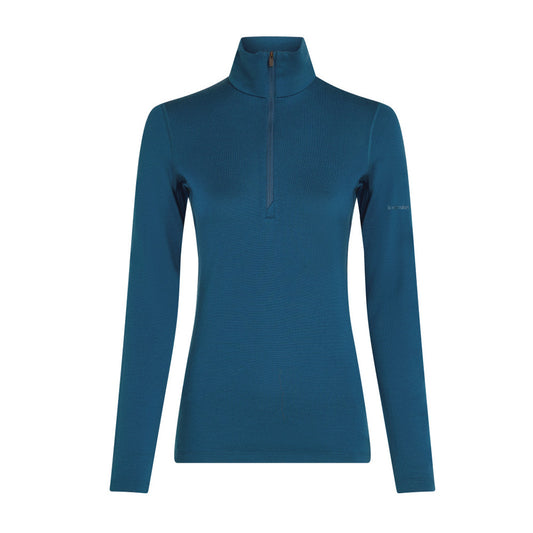
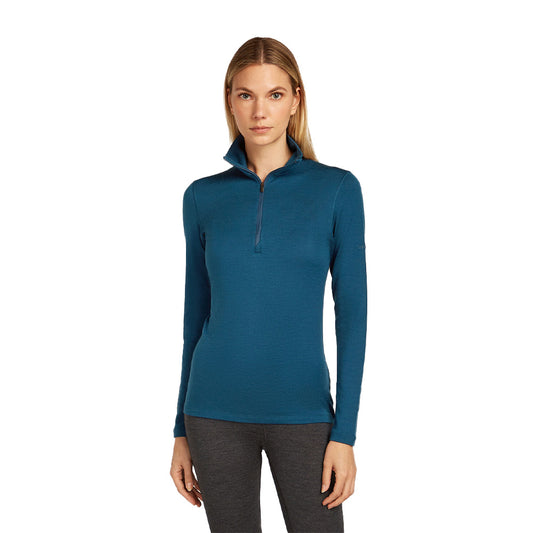
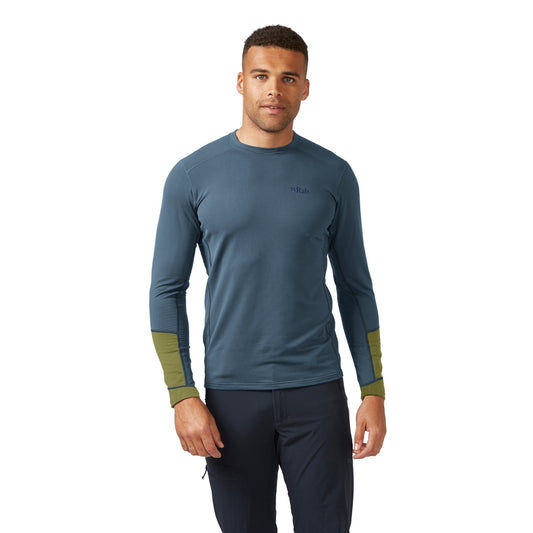
Merino wool clothing is perfect for this type of adventure because it naturally regulates body temperature, resists odours, and wicks moisture efficiently. You can even wear the same clothes more than once.
Safety and First Aid
For multi-day hikes, all the equipment mentioned above remains essential. Make sure your first aid kit is fully stocked so you’re prepared for minor injuries and unexpected situations.
You should also pack an emergency blanket and a small toiletry kit with hygiene essentials.
Navigation
A trail map and compass become even more important on multi-day hikes. For remote backcountry adventures, a satellite communicator and handheld GPS can even become essential.
Sleep System
A good night’s sleep is essential to fully enjoy your days on the trail. Choose a tent, sleeping bag, sleeping pad, and pillow that fit your needs. Comfort matters, but so does weight. Prioritize lightweight camping equipment specifically designed for hiking.
Cooking Equipment
To prepare your freeze-dried meals on the trail, pack a compact stove and lightweight pot. You’ll also need utensils, a mug for coffee, and a bowl or plate for meals. To reduce weight and maximize space in your backpack, bring only the essentials. Foldable tableware is also an excellent option.
Now that you have a better idea of the essential hiking equipment to bring on your adventures, all that’s left to do is choose your next destination. Head out and discover some of the most beautiful hiking trails in Quebec.
Get equipped for hiking


FAQ – Frequently Asked Questions About Hiking
How do I choose a hiking trail suited to my skill level?
Do your research before heading out. Check the trail distance, elevation gain, estimated duration, and difficulty level. If you’re new to hiking, choose shorter and less technical trails so you can fully enjoy the experience while reducing the risk of injury.
How should I organize my hiking backpack?
Place bulky items you won’t need during the hike, such as camping equipment and spare clothing, at the bottom of your backpack. Store heavier items like your tent and stove in the middle to better distribute the weight. Keep lighter essentials such as your jacket and food near the top of the pack. Finally, use the exterior pockets for smaller items you’ll need regularly.
How can I reduce the weight of my hiking backpack?
To lighten your hiking backpack, choose lightweight and compact equipment. Bring only the essentials to maximize comfort and save space on the trail. Before heading out on a longer adventure, do a few test hikes. Pack your bag and head out for a day hike to evaluate the weight and determine what equipment is truly essential.
Share this article
Explore more tips and advice

Hiking: Four dog-friendly trails
What could be better than enjoying the hiking trails with your faithful four-legged companion while discovering the beauty of Quebec's nature.

Hiking backpack: what to bring and how to organize it?
Have you chosen your next hiking trail? Now it's time to pack your hiking bag.

Buying Guide: How to Choose a Waterproof Jacket?
Check out our guide to help you choose the best waterproof jacket for your needs from all the models available on the market.