Which water treatment system should you choose for the outdoors?
La Cordée
6 minutes
Whether you're heading out for a day hike, a backpacking expedition, or a camping trip, water is one of the most important resources to plan for. However, even if you bring a water supply, it may not be enough, especially during longer adventures.
In these situations, lakes, rivers, and streams become valuable water sources. However, natural water sources are not necessarily safe to drink. That's why it's essential to carry a water filter, water purifier, or chemical treatment system to safely treat the water you collect.
Discover the different water treatment systems available and learn how to choose the one best suited for your outdoor activities.
Why is it important to treat water collected in the outdoors?
Even when it looks clear and pure, water from natural sources can contain microorganisms and contaminants that are invisible to the naked eye and may cause health issues. This is why treating water collected in the outdoors is essential.
Natural water sources may contain bacteria, protozoa, and viruses that can cause gastrointestinal illness, as well as sediments and suspended particles such as sand, silt, and clay that make water cloudy. Viruses are generally less common in North American backcountry environments, but they may be present in water contaminated by wastewater in heavily frequented areas or in certain regions of the world.
Water treatment systems remove most of these microorganisms and contaminants, helping reduce health risks and making water safer to drink.
What are the different types of water treatment systems?
Water filters
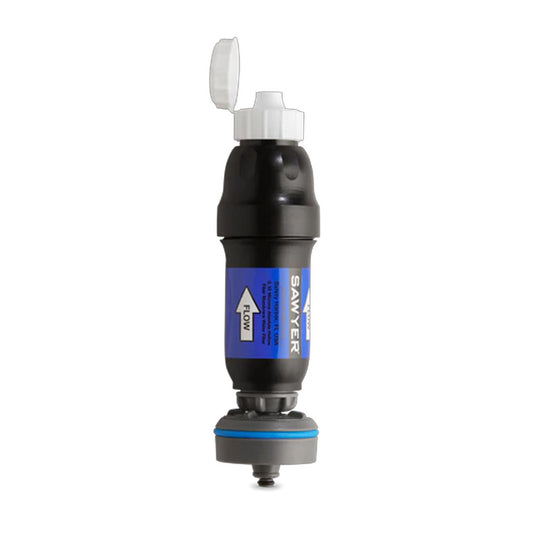
Water filters are the most popular water treatment option for outdoor activities because they are lightweight, compact, and easy to use. They remove bacteria, protozoa, sediments, and suspended particles by forcing water through a microporous membrane. However, water filters do not remove viruses.
Several types of water filters are available, including:
Filtered water bottles: the filter is built directly into the bottle cap. Simply fill the bottle and drink through the filter.
Straw filters: these allow you to drink directly from the water source through a built-in filter.
Pump filters: a manual pump forces water through a microporous membrane.
Gravity filters: these systems use gravity to move water through the filter without any effort.
Chemical treatments
Chemical treatments use tablets or liquid drops to treat water. Depending on the product, they can eliminate bacteria, protozoa, and viruses, but they do not remove sediments or suspended particles.
These treatments are commonly available in chlorine dioxide, chlorine, or iodine formulations.
Unlike water filters, chemical treatments do not work instantly. Water must sit for a specified period before it is safe to drink, allowing the treatment enough time to neutralize contaminants.
Water purifiers provide a higher level of protection than traditional water filters. In addition to treating bacteria, protozoa, sediments, and suspended particles, they can also remove or neutralize certain viruses.
Depending on the technology used, purification may be achieved through an extremely fine membrane, UV light, chemical treatment, or a combination of methods. Some purifiers combine filtration with chemical treatment for better protection.
Boiling remains one of the simplest and most reliable ways to treat water from natural sources. It effectively eliminates bacteria, protozoa, and many viruses. However, it does not remove sediments or suspended particles.
This method requires very little equipment; simply use your camp stove to bring water to a boil.
Pro tip: even though water treatment systems are highly effective at removing many microorganisms, choosing a good water source is just as important. Whenever possible, collect clear water from areas that are far from potential sources of pollution.
How to choose the best water treatment system?
For hiking and backpacking
On the trails, every ounce matters. Lightweight and compact options such as filtered water bottles and straw filters are ideal. They are easy to carry and allow you to treat water directly on the trail without adding weight to your backpack. Chemical treatments can also be useful, although they require a longer waiting time before the water can be consumed.
For camping
If you are heading out on a camping adventure, a gravity filter is often the most convenient solution. It can treat large quantities of water with minimal effort, making it ideal for groups or multi-day stays at the same campsite. A filtered water bottle can also be a practical option for every day outdoor activities or minimalist camping.
For international travel and remote destinations
For this type of adventure, consider a water purifier or a combination of a water filter and chemical treatment. In regions where viral contamination is a greater concern, these options provide broader protection against a wider range of contaminants.
For a first aid kit
No matter what outdoor activity you are planning, it's important to carry a first aid kit. Even if you believe you have enough water and a reliable treatment system, adding a backup chemical treatment or straw filter to your emergency kit can help you stay prepared for unexpected situations.
4 tips to maintain your water treatment system
Like any piece of outdoor equipment, water treatment systems require regular maintenance to remain effective.
1. Clean your system regularly
Over time, particles and sediment can accumulate inside the filter and reduce water flow. To maintain optimal performance, clean or rinse your filter regularly according to the manufacturer's recommendations.
2. Store your system properly
Before storing your water treatment system, make sure it is clean and completely dry. Proper storage helps prevent unpleasant odours, mould growth, and premature wear.
3. Protect your system from freezing temperatures
During cold-weather outdoor activities, water trapped inside a filter can freeze and damage the membrane. To prevent this, keep your filter close to your body or inside your sleeping bag overnight.
4. Replace the filter when needed
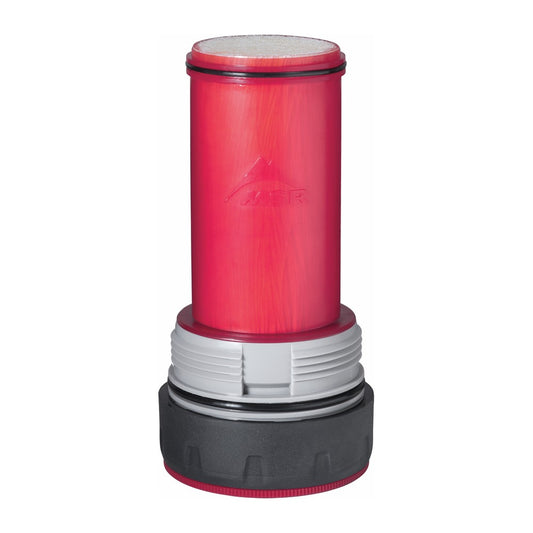
Depending on the brand and model, filters have a limited lifespan. After treating a certain volume of water or reaching a specified number of uses, the filter cartridge should be replaced to maintain effectiveness.
FAQ – Frequently Asked Questions About Water Treatment Systems
How long does a water filter last?
The lifespan of a water filter varies depending on the model and the amount of water treated. Some filters are designed to treat a few hundred litres, while others can process several thousand litres. Always refer to the manufacturer's recommendations for specific guidance.
Can you drink water from a lake or river in Quebec?
While it may be possible to drink water from lakes and rivers in Quebec, even clear-looking water can contain bacteria, protozoa, or other contaminants that are invisible to the naked eye. To reduce the risk of illness, it is recommended to treat all water collected from natural sources before drinking it.
Do water purification tablets affect the taste of water?
Some chemical treatments can leave a slight taste or odour in the water. The intensity depends on the product used and the recommended treatment time.
Is it necessary to treat water when camping at a developed campground?
If the campground provides potable drinking water, additional treatment is generally not necessary. However, any water collected directly from a lake, river, or stream should be treated before consumption.
Share this article
Explore more tips and advice
Camping equipment: essentials from shorts trips to expeditions
Head out on a weekend camping trip or a multi-day expedition with all the essential gear you need to stay self-sufficient, safe, and comfortable.