



Discover our backcountry cross-country skiing guide: introduction, gear, popular brands, rental service, partner tips, and more!

How to dress for backcountry cross-country skiing?
4 minutes
Before you head out to explore the backcountry—whether it’s for a day trip or a multi-day adventure—it’s essential to dress appropriately. Off-trail cross-country skiing is an aerobic activity, so breathable layers are a must. But when covering long distances, you also need to be ready for unpredictable weather. That’s why having all the right essentials is key to staying comfortable and safe.
The way to dress for backcountry cross-country skiing is very similar to classic or skate skiing, with a few added considerations.
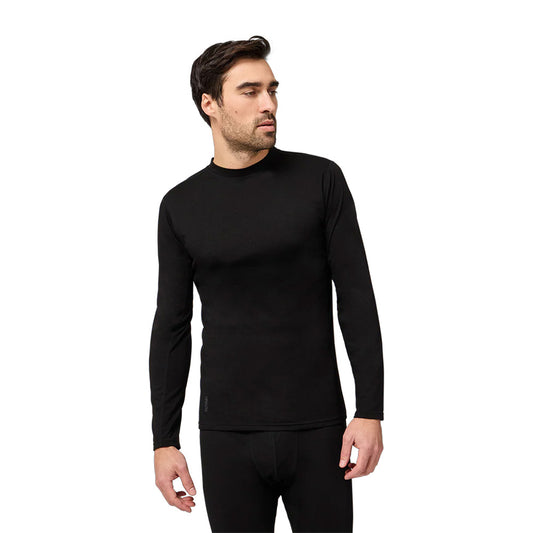
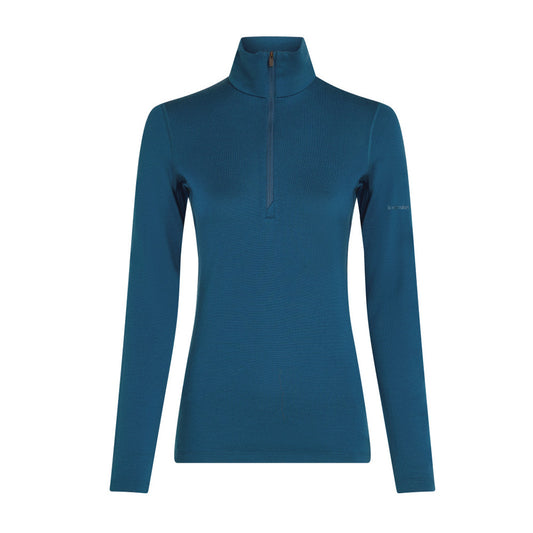
For the upper body, a layering system is definitely recommended. Start with a base layer made of merino wool or synthetic fibers. This first layer will wick moisture away during activity. Next, add a softshell-style cross-country ski jacket. This second layer will retain your body heat, protect you from the wind, and continue to wick moisture from the base layer. For extra warmth on very cold days, you can also add a mid-layer made of fleece.

In most cases, these three layers are more than enough. However, if you're heading out on a multi-day expedition in the high mountains—where the weather can change quickly—bring a waterproof breathable shell to protect yourself from the elements. If you tend to get cold easily, pack a lightweight down or synthetic insulated jacket for extra warmth.
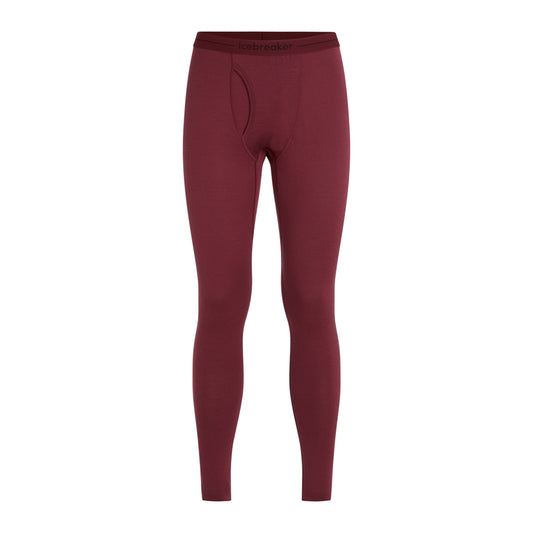
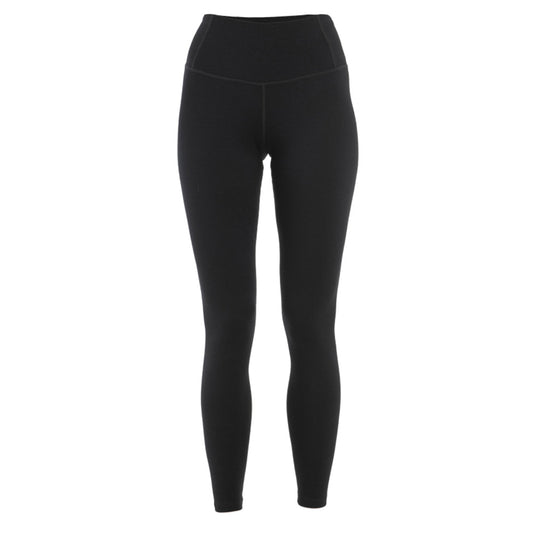
For your lower body, you have several options. A cross-country ski tight works well for shorter outings or milder temperatures. For longer expeditions or colder conditions, go for softshell-style ski pants. These windproof pants help retain warmth while shielding you from the cold. If you're sensitive to the cold, you can even wear a base layer underneath. And for multi-day trips, don’t forget to bring waterproof breathable pants for added protection in wet conditions.
Accessories matter too. A warm hat and neck gaiter are essential to protect against the cold. Choose gloves or mittens based on your preference, and always bring an extra pair in case the first gets wet. Same goes for socks—pack one or two spare pairs, especially if you’ll be crossing wet terrain. Nothing ruins a day faster than frozen feet.

WHAT BACKPACK TO CHOOSE?
When you go on a backcountry expedition, it is essential to have all the necessary essentials to be self-sufficient. Especially if you are going on a multi-day expedition for which you have to carry everything you need for your comfort and safety.
Choose a backpack suitable for backcountry cross-country skiing. First, make sure your bag is made of resistant and waterproof materials to prevent it from getting wet when you put it in the snow. Then, pay attention to the attachment points. You will need a place to hang your helmet if you decide to bring one for steep descents. You will also need an attachment point to attach spare poles. Ideally, get a bag with attachment points for your skis. They will be very practical if you have to remove your skis to cross wet or rocky terrain.
Finally, make sure your bag has enough pockets to store everything you'll need once you're on the snow. For example, small pockets on the belt, a pocket to store your climbing skins, a place for your spare clothes, etc.

Related products






WHAT ARE OTHER ESSENTIALS?
- Hand warmers and foot warmers.
- A first aid kit in case of injury.
- Energy-boosting snacks and water.
- A waxing kit consisting of a scraper and glide wax.
- Sunglasses.
- A headlamp for multi-day expeditions.
- A helmet equipped with MIPS protection: in backcountry cross-country skiing, a helmet is not as necessary as in ski touring. However, if you're going on an expedition on terrain with a lot of elevation change, you may need to get a helmet for your safety. Some cross-country skiers will prefer a mountaineering helmet rather than an alpine ski helmet.
- A repair kit for your climbing skins.
- Safety equipment: if you stay on the cross-country ski trails, safety equipment is not essential. However, if you venture into the backcountry in avalanche terrain you will need an avalanche transceiver, an avalanche probe, and a metal shovel.
- Spare backcountry cross-country ski poles in case of breakage.
Now you're ready to complete your off-trail cross-country ski kit for your next adventure!
Do you want to try backcountry skiing?
Enjoy our new backcountry cross-country ski rental offer to discover the sport before committing to buying a complete set of equipment.
See more tips

Backcountry Cross-Country Skiing Guide

My 5 Most Memorable Backcountry Cross-Country Ski Routes Ever

How to choose the right backcountry cross-country skiing equipment?
Learn how to choose the ideal gear for your backcountry cross-country skiing trips and make the most of the wilderness.