Nutrition sportive : comment bien s’alimenter pour les sports d’endurance

Sports nutrition: how to fuel your body for endurance sports

6 minutes
Whether you're training for a marathon, a cycling race, an ultramarathon, a triathlon, or even a mountain biking event, nutrition plays a key role in helping you achieve your performance goals.

Sports nutrition isn't just for athletes. It's for anyone who participates in endurance sports and wants to cross the finish line, reach a new personal goal, or simply get the most out of their activity.

Eating well before, during, and after exercise helps you maintain your energy, support your performance, and recover more effectively. Here's how to build a nutrition strategy that matches your training and your goals.

Why is nutrition important for endurance sports?
Whether you enjoy running, cycling, cross-country skiing, triathlon, or any other endurance sport, nutrition is a fundamental part of your preparation.

A well-balanced nutrition and hydration plan helps you maintain your pace, delay fatigue, and provide your body with the energy it needs to perform at its best.

Proper sports nutrition isn't limited to what you eat during your workout. It begins before you head out to top up your energy, continues throughout your activity to meet your body's energy demands, and remains just as important afterward to promote optimal recovery.
Barre_energetique
Understanding the energy needs of endurance sports
Carbohydrates and protein both play an essential role in endurance sports. Together, they provide the energy your body needs during training and competition while supporting recovery afterward. That's why eating a well-balanced diet is an important part of reaching your performance goals.
The role of carbohydrates
Carbohydrates are your body's primary source of energy during endurance exercise. Your body naturally stores glycogen in your muscles and liver, but these energy reserves are limited. As exercise continues, glycogen stores gradually become depleted, which can lead to a significant drop in energy, often referred to as "hitting the wall."

To avoid this energy crash, it's important to consume carbohydrates during exercise. Doing so helps preserve your glycogen stores, delay fatigue, and maintain a steady pace until the finish.
The role of protein
Protein plays an essential role in muscle repair and adaptation following exercise. After an endurance workout or race, choose a meal that combines protein and carbohydrates to replenish your energy stores and support muscle recovery.
Adjusting your nutrition to your training load
Your nutritional needs can vary from day to day. A recovery ride, a high-intensity workout, and a race all place different demands on your body and, therefore, require different amounts of energy.

Adjust your nutrition according to the duration and intensity of your workout, your training frequency, your recovery time, and your overall goals. As your training load increases, consuming enough energy, especially from carbohydrates, becomes increasingly important to support your performance and promote effective recovery.
What should you eat before an endurance workout?
Your pre-workout meal should provide enough energy while minimizing the risk of digestive discomfort. Choose a meal that's high in carbohydrates, contains a moderate amount of protein, and includes foods you're familiar with and know you tolerate well.

Before a demanding workout or race, limit foods that are high in fat and fibre, as they slow digestion and may cause gastrointestinal discomfort. Instead, opt for simple meals such as oatmeal with fruit and yogurt, a bagel with nut butter, or rice with eggs.

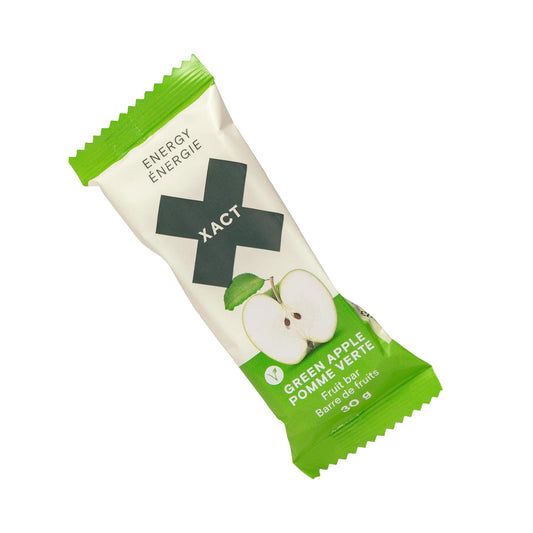
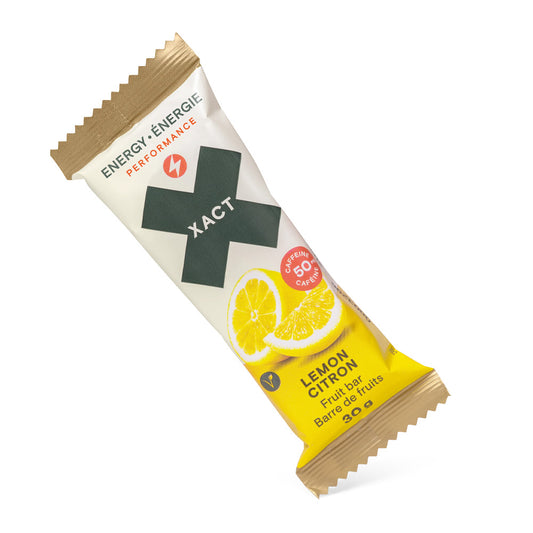
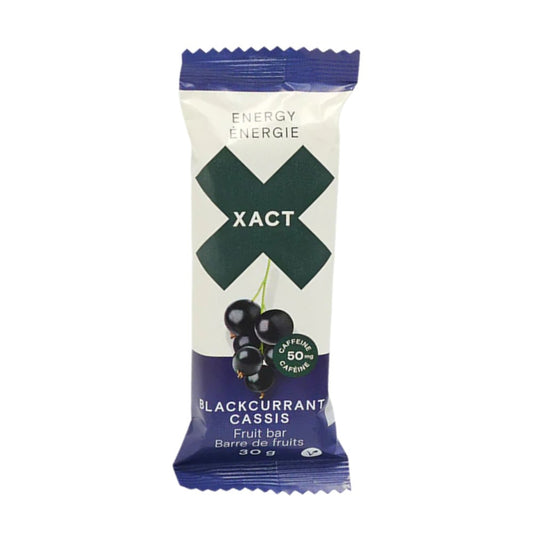
If it's been several hours since your last meal, have a carbohydrate-rich snack 30 to 60 minutes before you start to top up your energy stores. An energy bar, such as those offered by XACT, is a convenient option when you're on the go or short on time.
Bonbons_energetiques
What should you eat during an endurance workout?
During an endurance workout, don't wait until you feel hungry or experience an energy dip before eating. Consuming carbohydrates at regular intervals helps preserve glycogen stores and maintain steady energy levels throughout your activity.

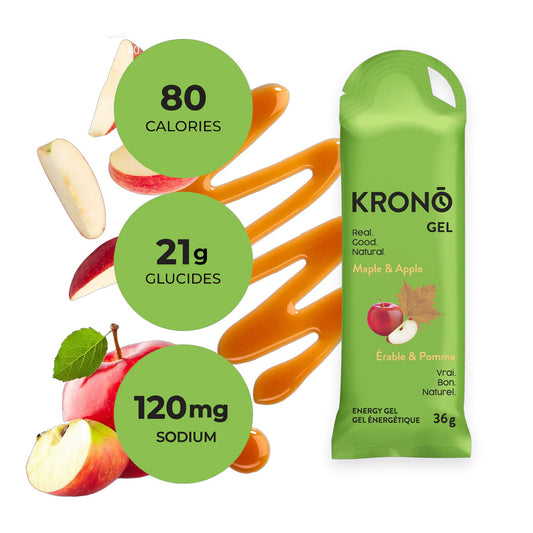
For efforts lasting longer than 60 minutes, it's generally recommended to consume 30 to 60 g of carbohydrates per hour. During very long endurance events, your needs may increase to as much as 90 g per hour, provided you've trained your digestive system to tolerate that intake. Most sports nutrition products list their carbohydrate content on the packaging, making it easier to plan your fuelling strategy.

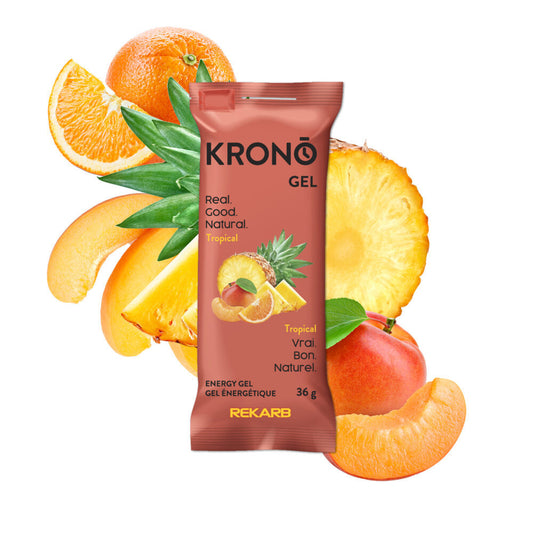
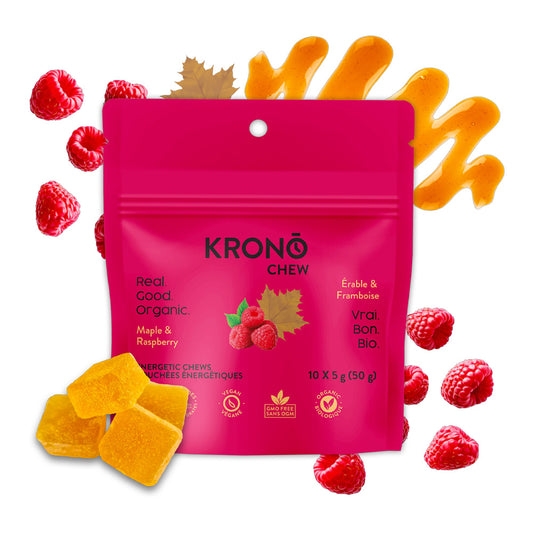
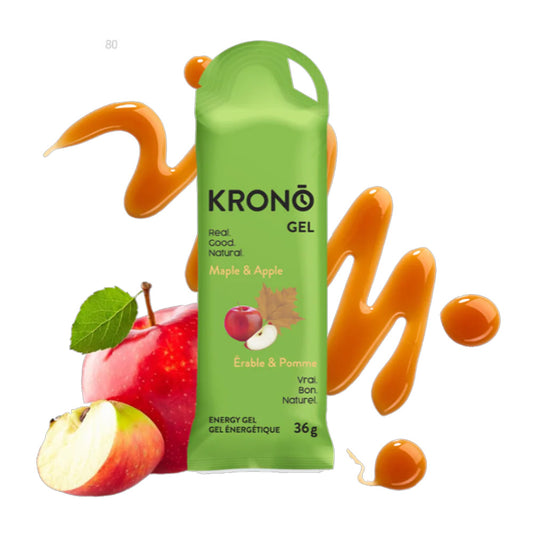
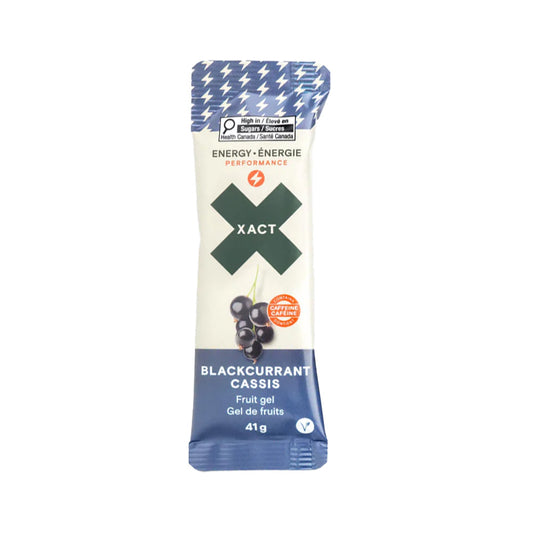
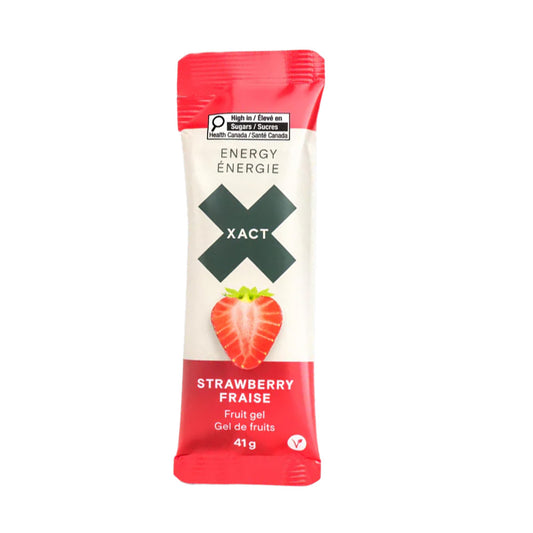
Sports drinks, energy gels, energy bars, energy chews, and fruit purées are all excellent options for fuelling on the go. XACT offers a variety of portable formats designed to match the duration and intensity of your activity.
What to eat after an endurance workout to support recovery?
After an endurance activity, the goal is to replenish your energy stores, promote muscle repair, and rehydrate effectively. A meal or snack that combines carbohydrates and protein supports recovery, while water and electrolytes help replace the fluids and minerals lost through sweat.

Recovery becomes even more important when you have multiple training sessions scheduled within a few hours or days. Eating appropriately after exercise helps you recover well, stay ready for your next workout, and maintain the quality of your training.

Good recovery options include a smoothie made with cow's milk or soy milk, fruit, and yogurt; a sandwich served with fruit; a bowl of rice or pasta with vegetables and chicken or tofu; or Greek yogurt with granola and berries. For even better recovery, add a XACT recovery drink to your smoothie. If your next meal is still several hours away, a protein wafer also makes an excellent snack.
Hydratation
How to stay hydrated during an endurance workout?
Hydration is just as important as nutrition when it comes to supporting performance and recovery. In addition to replacing the fluids lost through sweat, a sports drink provides carbohydrates and electrolytes to help maintain energy levels during prolonged exercise.

Hydration needs vary depending on the temperature, humidity, workout intensity and duration, your sweat rate, the clothing you wear, and your access to water. During long training sessions or in hot weather, a drink containing electrolytes becomes especially important to replace the minerals lost through perspiration.

Just like your fuelling strategy, don't wait until you feel thirsty to drink. Instead, sip fluids regularly throughout your activity to stay properly hydrated and reduce the risk of digestive discomfort. XACT hydration drinks are a convenient way to combine hydration, electrolytes, and carbohydrates during prolonged efforts.
How to plan your sports nutrition strategy
Now that you understand the fundamentals of sports nutrition, it's time to put them into practice. XACT Snack Math calculators help you estimate your carbohydrate needs and build a fuelling strategy tailored to your activity.

Depending on your sport, you can choose from several calculators:
  • Multisport calculator: Designed for road running, trail running, road cycling, mountain biking, gravel cycling, triathlon, cross-country skiing, hiking, and most endurance sports. It takes into account workout duration, intensity, weather conditions, digestive tolerance, and other factors that influence your fuelling needs.
  • Marathon calculator: Helps you plan your fuelling strategy based on your target finish time and digestive tolerance.
  • Cycling calculator: Designed for cyclists who use a power meter to estimate their energy needs more accurately.
The results provide an excellent starting point for planning your nutrition. Then, test your strategy during training and adjust it based on your digestive tolerance, personal preferences, and the conditions you expect to face on race day.
How to train your digestive system for endurance sports?
A successful nutrition strategy isn't something you improvise on race day. Just like your muscles, your digestive system can be trained. The more you practise consuming carbohydrates during exercise, the better your body will become at absorbing and using them efficiently.

Use your training sessions to identify the products you tolerate best, the amounts that work for you, and the textures and flavours you prefer. Training is also the perfect opportunity to get comfortable eating while you're on the move. This practice helps reduce the risk of nausea, cramps, and gastrointestinal discomfort on race day.

Start with small amounts of carbohydrates and gradually increase your intake over the following weeks to allow your digestive system time to adapt.
Krono_Gel_Woman_Bike
How to test your nutrition strategy before a race?
Your training sessions are the best time to put your fuelling strategy to the test. Use them to get comfortable eating while moving and to make sure your nutrition products are easy to carry and open.

The right gear also plays an important role in your nutrition strategy. For running, a hydration vest with multiple pockets and a hydration reservoir keeps your drinks and nutrition within easy reach. For cycling, your jersey pockets, combined with a frame bag or handlebar bag, provide plenty of storage space for everything you need to fuel your ride.

In the weeks leading up to your event, try to replicate race-day conditions as closely as possible. Plan a training session that closely matches your event in terms of duration, intensity, and terrain, while using the same gear and fuelling plan. This will allow you to confirm that your strategy works well before race day.

As race day approaches, avoid making last-minute changes or trying new products. Consistency is often your greatest ally for arriving at the start line with confidence.


Whether you're preparing for your first race or taking on an endurance challenge that lasts several hours, a well-planned nutrition strategy can make all the difference. Take the time to plan your fuelling, discover what works best for your body, and give yourself the best chance of reaching your goals while enjoying every step of the journey.

FAQ – Frequently asked questions about sports nutrition

How do I know if I need to adjust my nutrition strategy?

Unusual fatigue, difficulty maintaining your pace, frequent digestive issues, slow recovery, or low energy during long workouts may indicate that your nutrition strategy needs adjustment. Modifying your carbohydrate intake, meal timing, or the products you use can improve both comfort and performance.

Can caffeine improve endurance performance?

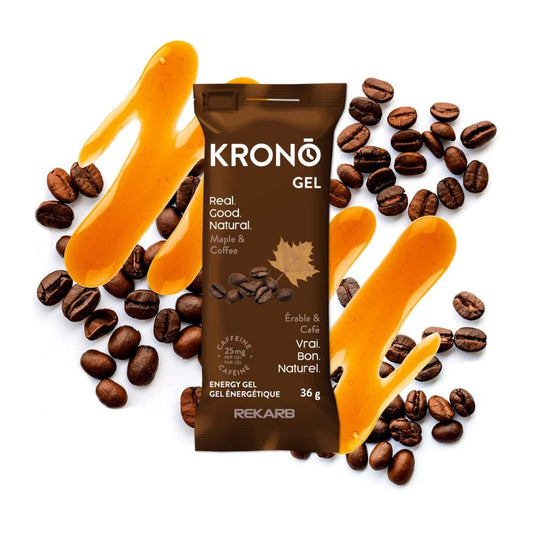
For many athletes, caffeine can help reduce perceived effort, improve focus, and delay fatigue during endurance exercise. However, its effects vary from person to person. Always test your caffeine intake during training before relying on it on race day.

Should I use the same sports nutrition products year-round?

Not necessarily. Weather conditions, workout duration, and the type of activity all influence your nutrition needs. In hot weather, electrolyte drinks become increasingly important, while in colder conditions, many athletes prefer products that are easier to consume in low temperatures.

Explore more tips and advice

Nutrition_plein_air

Outdoor nutrition: how to fuel your body based on the activity

Discover how to adapt your outdoor nutrition to your activity, whether you're hiking, camping, cycling, running, or enjoying winter sports.
Montre_d_entrainement

How to choose the right training watch?

No matter your favourite outdoor activity, a training watch can become an essential tool for tracking workouts and reaching your goals. Discover the key features to consider and learn how to choose the best watch for your needs.
Filtre_a_eau_camping

Which water treatment system should you choose for the outdoors?

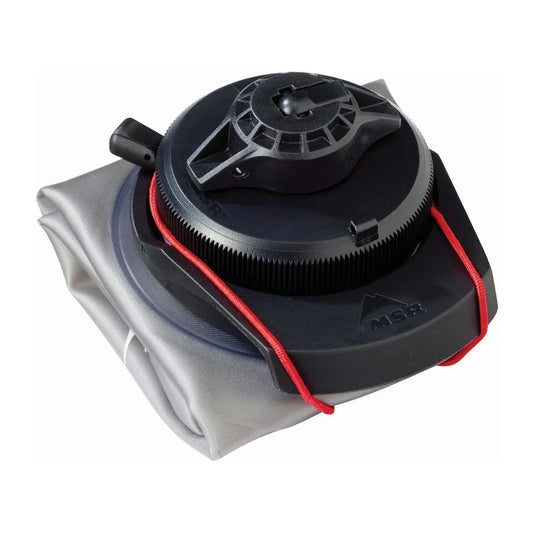
Whether you’re heading out on a hike or a multi-day expedition, access to safe drinking water is essential. Discover the different water treatment systems and choose the best option for your outdoor needs.
Share this article