

How to gear up for winter camping?
6 minutes
Winter camping is a bit like discovering a whole new season of the outdoors. Everything feels calmer, quieter, and the crowds of other seasons are a distant memory. That said, there’s one basic rule to keep in mind: winter is not the time to improvise. You don’t need piles and piles of specialized gear, but what you bring does need to be carefully chosen.
The goal is to stay warm, dry, and comfortable so the experience is enjoyable from start to finish. Here’s a quick guide to help you choose the right gear, section by section.

To Sleep Well
A good night’s sleep makes everything feel easier the next day. On the flip side, if you don’t sleep well, everything else quickly feels a lot less enjoyable. So that’s where we’ll start.
The Sleeping Bag
Two things to look at: the stated temperature rating (in degrees Celsius), but more importantly the comfort rating listed in the product description. That’s the one that tells you how cold it can get while still sleeping comfortably. The lower “limit” rating is more about getting through the night than actually sleeping well, if we’re being honest.
In winter, it’s usually a good idea to choose a sleeping bag with a comfort rating that’s lower than the temperatures you’re expecting. That gives you a buffer if the wind picks up or the night turns out colder than planned.
Two small additions that are often worth it:
The Sleeping Pad and its R-Value
The Tent
A winter-ready tent is really about standing up to wind and handling snow buildup. The goal isn’t to heat the tent, but to give yourself a solid, dependable shelter so you can get a good night’s sleep without fighting the elements.
One simple tip: keep a full set of dry clothes just for sleeping, stored away and only used at night. It helps more than you might think.
The Rab Scent 1110, for colder nights
The Rab Ascent 1110 (-25 °C) is a dependable choice for winter camping when you really want to stay warm. Its RDS-certified duck down with a water-repellent treatment helps retain heat even when moisture is in the mix, while the baffle construction maximizes insulation. Details like the 3D collar, the draft tube along the zipper, and the angled footbox keep warmth where it matters, all while offering a roomier mummy fit so you stay comfortable through the night.
How to dress: layering and accessories
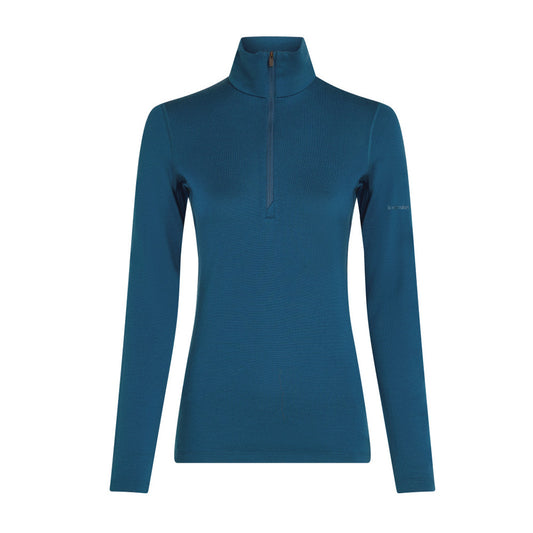
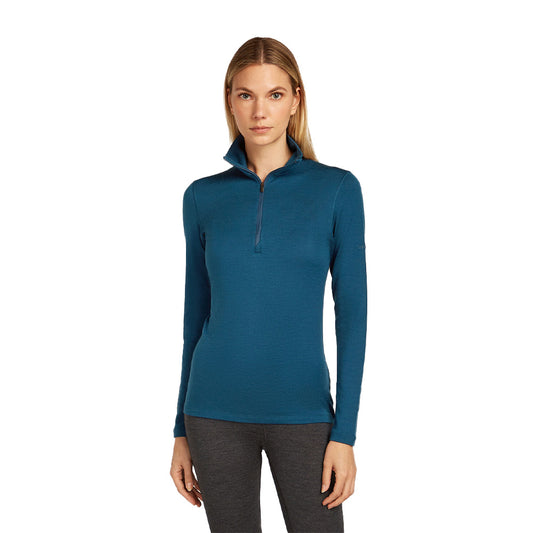
In winter camping, you’re constantly switching things up: moving, stopping, cooking, setting up camp, going to get water, then settling back in. So if you dress as if you’re staying still the whole time, or like you’re doing a steady aerobic activity such as cross-country skiing, you’ll end up either overheating or freezing once you stop.
The layering system is simply a practical way to stay comfortable, no matter what the day throws at you.
The Base Layer
The Insulated Layer
The Shell
Eating hot meals (and keeping your spirits up)
A hot meal while winter camping isn’t just practical. It warms you up, helps you recover, and sets a really nice rhythm for the day.
You want a stove you can count on in cold weather to heat water, melt snow if needed, and cook without overthinking things. A compact model like the MSR PocketRocket is a tried-and-true classic: simple, efficient, and easy to pack.
It’s also worth thinking about the small details that make cooking easier:
-
a windscreen,
-
a pot that heats evenly,
-
and plenty of fuel, since you usually go through more of it in winter.
Simple, nourishing meals
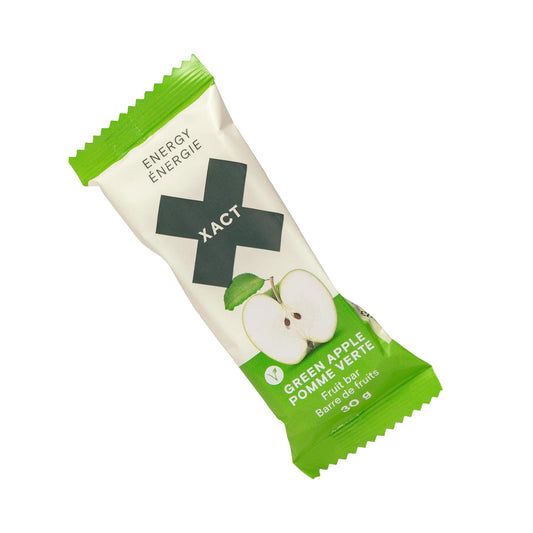
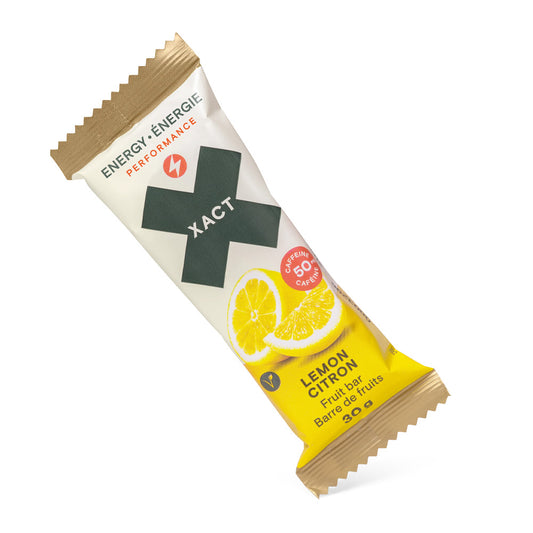
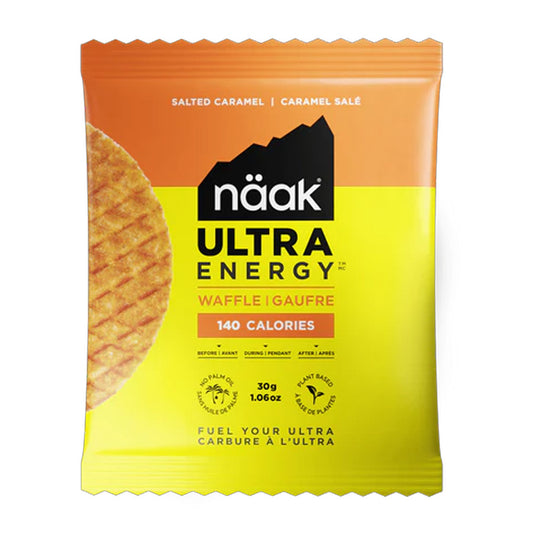
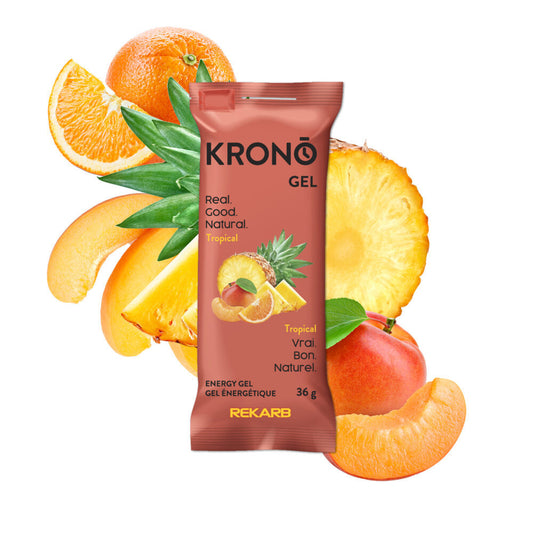
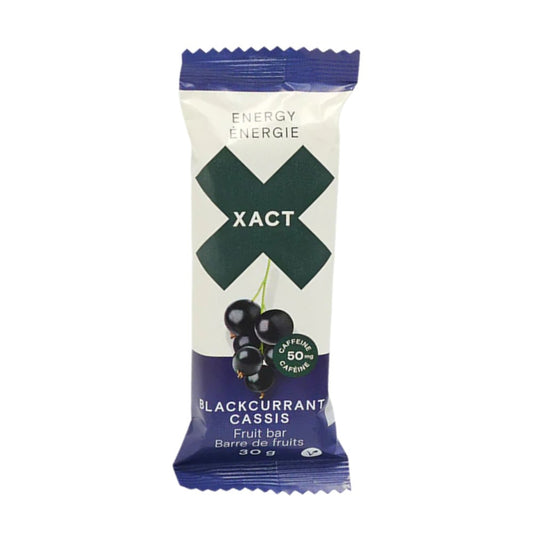
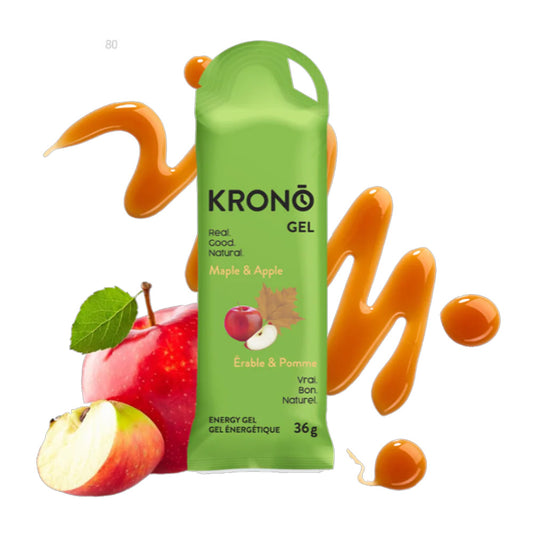
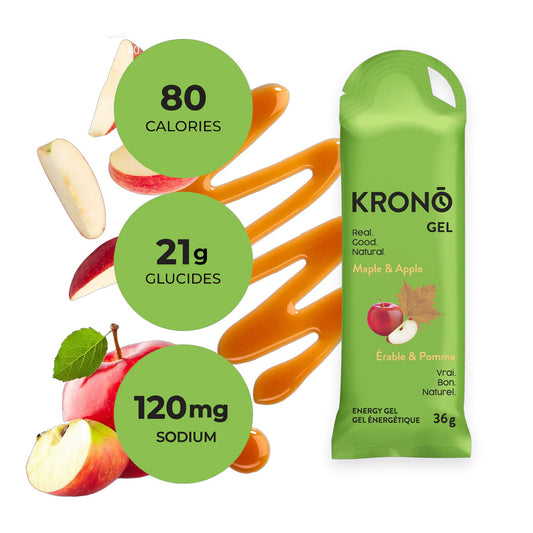
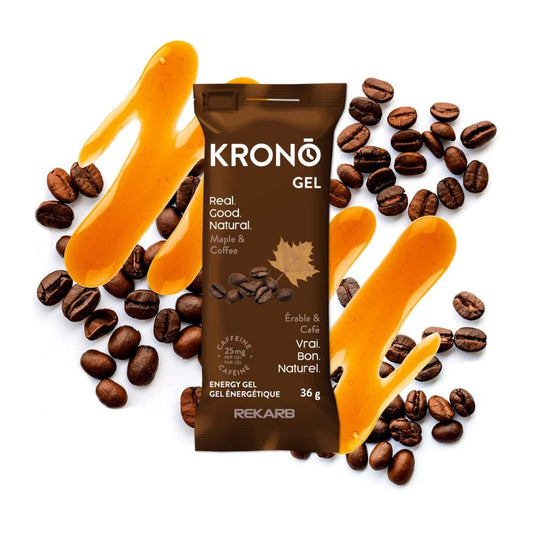
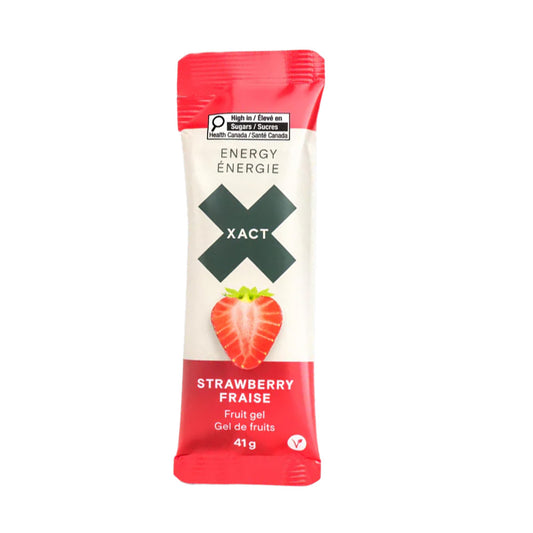
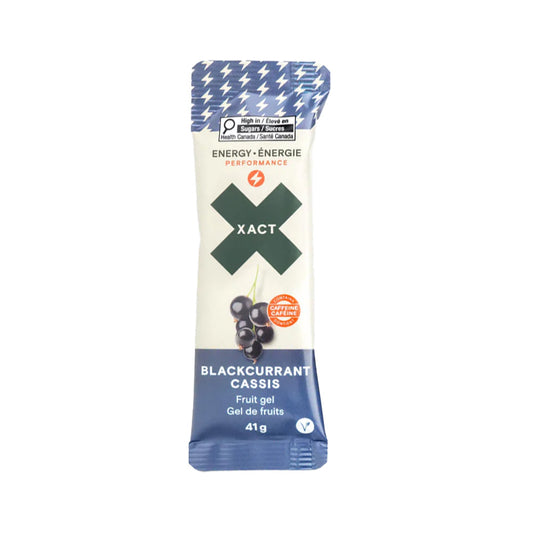
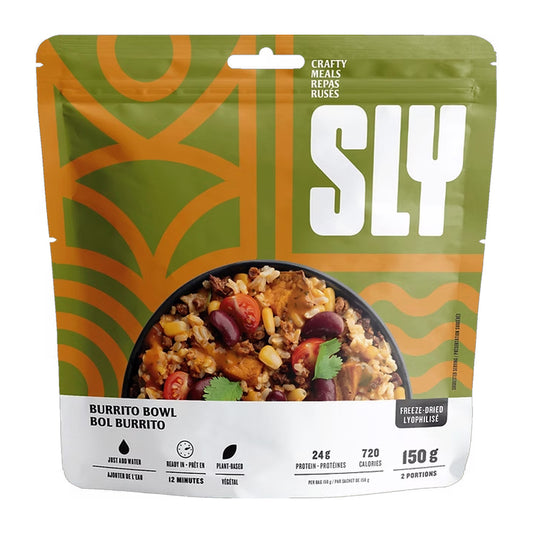
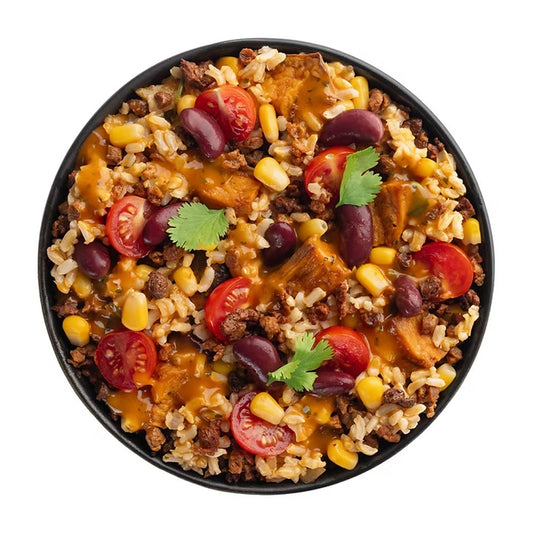
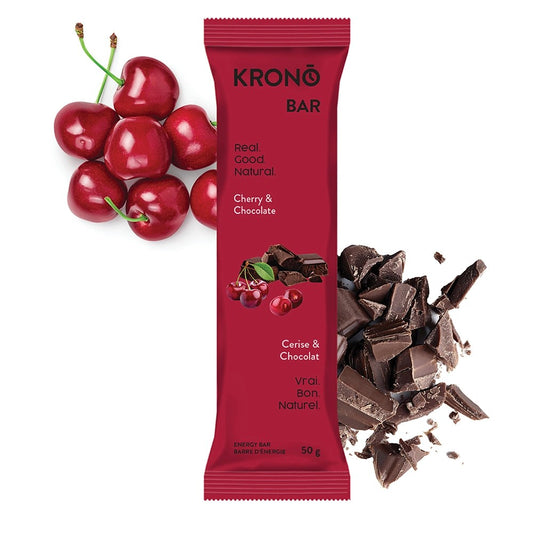
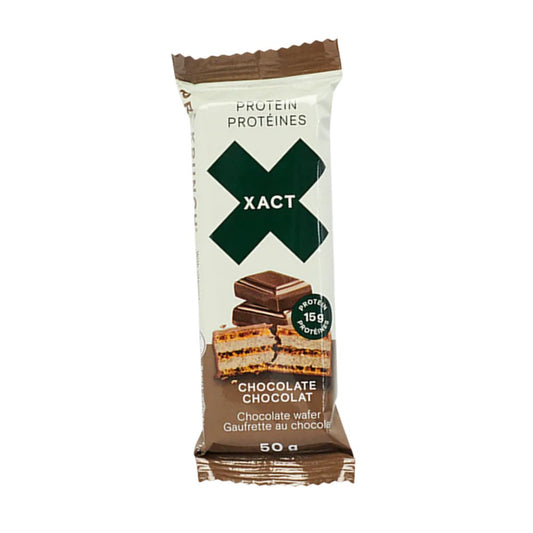
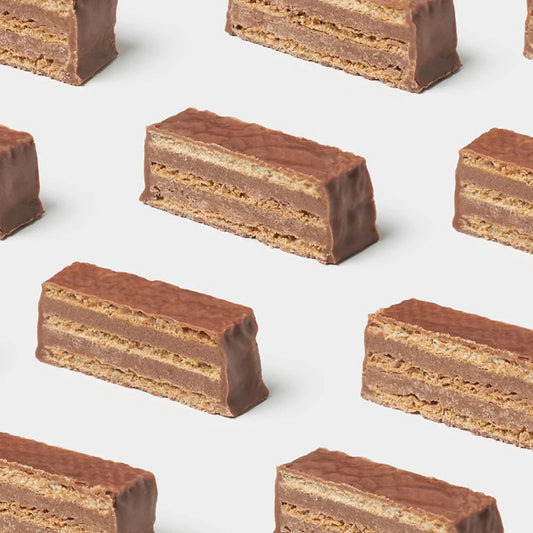
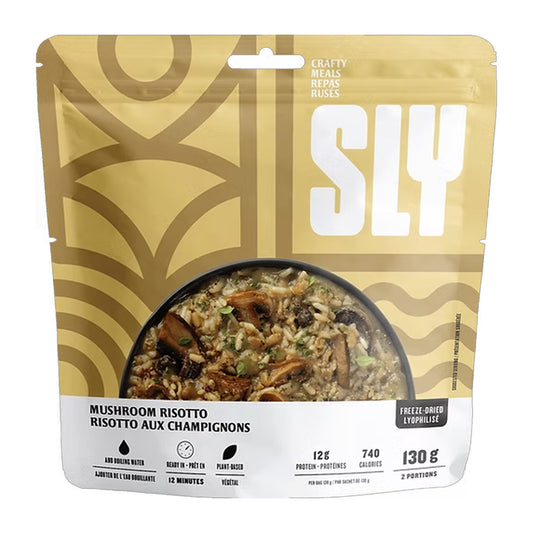
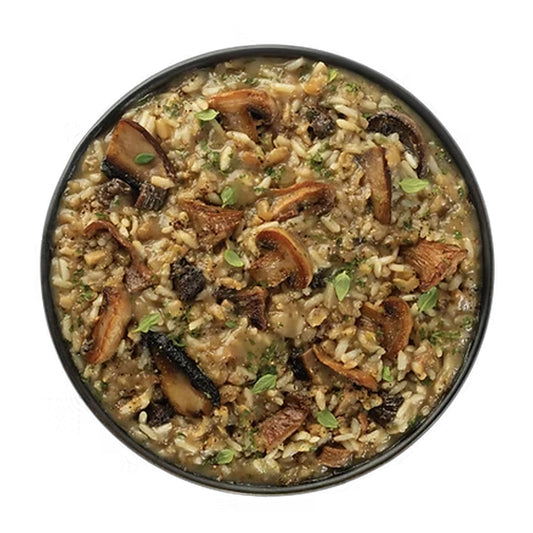
In winter, your body burns more energy. If you want to keep things simple and travel light, dehydrated and freeze-dried meals are an easy go-to. They’re practical, filling, and comforting. And honestly, a hot drink first thing in the morning is a small luxury that completely changes the mood at camp.

Safety and essential accessories
In winter, when something breaks or an unexpected situation comes up, things are much easier to manage if you have a few key essentials with you.
Don’t forget:
-
a reliable headlamp plus spare batteries, since cold drains them faster;
-
a well-stocked first-aid kit suited to winter conditions;
-
a small repair kit with items like sleeping pad patches, durable tape, a bit of cord, and similar basics;
-
if you’re heading into more remote terrain, a communication device that works in your area. You may never need it, but when you do, you’ll be glad it’s there. And don’t forget to let someone you trust know your route and expected return date.
In Conclusion
Winter camping is more accessible and enjoyable than many people expect, as long as you head out properly prepared. With a solid sleep system, layers that manage moisture well, hot meals, and a few key safety essentials, you’re already setting yourself up for a great experience.
And if you’d like to double-check your list or compare a couple of options before you go, stop by one of La Cordée’s stores. We’ll be happy to talk through your adventure plans and point you toward our favourite gear for getting out there comfortably.
FAQ – Frequently asked questions about winter camping
Is winter camping accessible for beginners?
What’s the minimum temperature you should aim for on your first trip?
For a first experience, temperatures around –5°C to –10°C are generally easier to manage. It’s a good way to see how your gear handles the cold without dealing with conditions that are too demanding right off the bat.
Can you use three-season camping gear in winter?
Some pieces can work, but rarely on their own. For example, a three-season sleeping bag can be paired with a liner and a highly insulating sleeping pad system. That said, gear designed specifically for winter will generally offer more comfort and better safety.
How can you avoid getting cold during the night?
The key is to limit heat loss. A well-insulated sleeping pad, a properly rated sleeping bag, dry clothes reserved for sleeping, and a snack before bed can make a big difference. If you’re freezing at night, it’s often the ground, not the air, that’s to blame. A classic trick is to slip a tightly sealed bottle of very hot water into your sleeping bag before turning in, it helps warm things up and improves comfort through the night.
Do you need to melt snow to get water?
Depending on how long your trip is and how much water you’re carrying, the answer is often yes. In winter camping, liquid water sources can be hard to find. Plan on having a reliable stove, enough fuel, and a bit of extra time to melt snow. It’s one of those details that’s easy to underestimate when you’re planning.
What’s the most commonly forgotten item when winter camping?
Share this article