

How to choose your road bike?
6 minutes
Road cycling has been growing in popularity for several years, both among outdoor enthusiasts and athletes looking for a new challenge.
However, with so many models available on the market, it’s not always easy to know where to start. Whether you’re shopping for your first road bike or upgrading to your second, check out our guide to help you choose a bike that fits your needs and riding style.
First, take the time to define your needs and goals:
- What is your level of experience with road cycling?
- Are you looking to ride for leisure, performance, touring, etc.?
- How often do you plan on riding?
- What distances do you expect to cover during your rides?
- Are you looking for comfort, versatility, or performance?
- What budget are you willing to invest in your bike?
The different geometries
- Performance: performance road bikes are designed for cyclists looking for speed and responsiveness. Their lightweight, stiff frames and aerodynamic riding position help optimize power transfer and maximize speed. Performance geometry is best suited for experienced riders and competitive cyclists.
- Endurance: endurance road bikes focus primarily on comfort during long rides. Their less aggressive geometry, compared to performance bikes, allows for greater comfort, even after several kilometres. The additional clearance around the fork, seat stays, and chain stays also allow for wider tires for extra comfort.
- Bike touring: touring road bikes are built for multi-day adventures. Their sturdy frames and multiple mounting points make it possible to carry panniers and all the gear needed for self-supported travel. Their geometry is designed for long distances and varied terrain, allowing you to explore without limits.
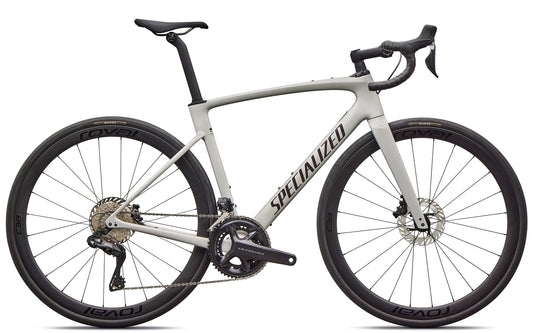
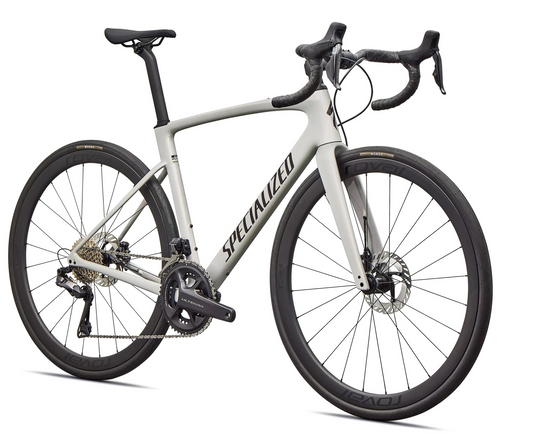
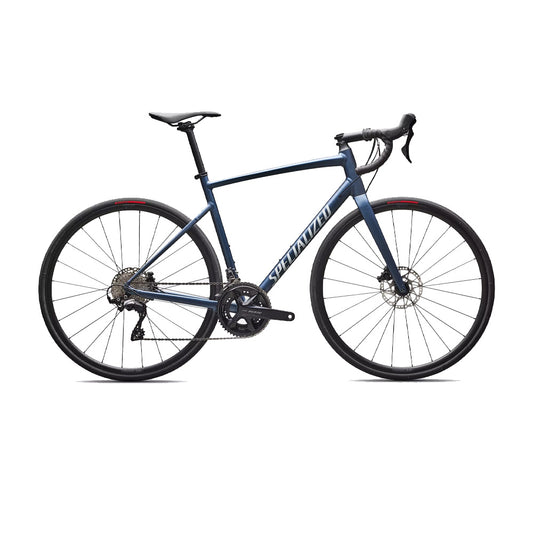
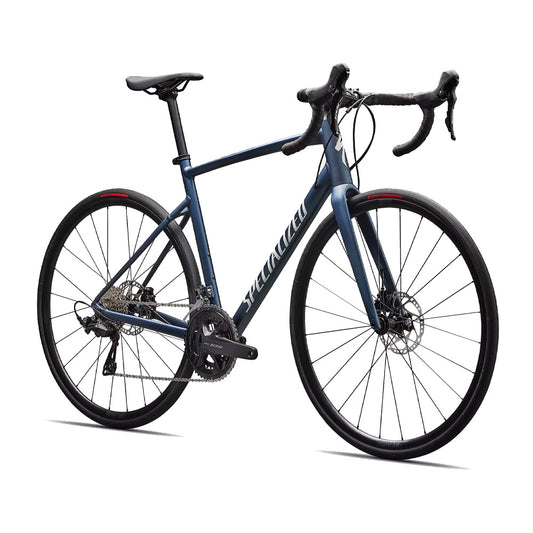
Frame material: aluminum or carbon?
Aluminum offers the best value for beginner or recreational cyclists. Aluminum road bikes are generally heavier than carbon bikes, but modern models are much lighter than they used to be. Aluminum’s stiffness provides efficient power transfer, although it absorbs road vibrations less effectively. It is also a very durable material, making it a great long-term option for recreational cycling.
Carbon is the benchmark for performance. It is lighter and more comfortable than aluminum, absorbs vibrations more effectively, and offers excellent responsiveness while pedalling. A carbon road bike is the ideal choice for cyclists seeking performance, lightweight efficiency, speed, and comfort. Carbon frames are more expensive than aluminum ones, but they are well worth the investment.

Drivetrain: mechanical or electronic shifting?
Mechanical drivetrains are found on most entry-level and mid-range bikes. They are the most affordable option and suitable for all types of cyclists. This tried-and-true system has been around for many years. It is durable and reliable, and with regular maintenance, it can last a very long time. However, shifting is generally less precise than with electronic systems.
Electronic shifting is designed for cyclists looking for performance and precision. Gear changes are fast, smooth, and highly accurate. However, you do need to remember to charge the battery before heading out. Electronic drivetrains are also more expensive than mechanical ones.
Wheels and tires
Like frames, wheels are available in both aluminum and carbon.
Aluminum wheels are the most affordable option for beginner cyclists. They offer a great balance between performance, durability, and accessibility. Because they are robust, they handle impacts on rough terrain very well.
On the other hand, if you are looking for performance and speed, carbon wheels are the better option. Although they are more expensive than aluminum wheels, they are significantly lighter and stiffer while also absorbing road vibrations more effectively.
As for tires, beginners will generally be perfectly satisfied with the stock tires that come installed on the bike. If you have specific performance goals, upgrading to a lighter and grippier tire may be worthwhile. For long-distance rides, opt for comfortable and versatile tires.

Brakes: cable or hydraulic?
Cable brakes are the most affordable option for beginner cyclists looking to explore road cycling. They provide solid braking power and are easy to maintain. However, braking is generally less precise, though they remain perfectly suitable for occasional riding.
Hydraulic brakes, on the other hand, offer more powerful, progressive, and precise braking. They also require less hand effort for controlled braking, especially on long descents. While more expensive than cable brakes, they are the best option for experienced cyclists seeking higher performance.



How to find the right road bike size?
First, it’s important to know that road bike sizing varies significantly from one brand to another. Every bike brand has its own sizing chart. To find the right size, you’ll need both your height and inseam measurement.
How to measure your inseam:
- Stand against a wall with your feet shoulder width apart and your heels firmly against the wall.
- Place a book between your legs at the same height as a bicycle saddle.
- Measure the distance from the floor to the top of the book.
Once you have these two measurements, you can easily compare them to different sizing charts to find the right model for you. To make sure you’re choosing the right fit, stop by one of our stores and speak with our bike specialists.
Ready for your next adventure? Check out our article on the 10 bike rides to do near Montreal & Quebec City to find the perfect place to try out your new bike.

FAQ – Frequently asked questions about road bikes
How often should you maintain your road bike?
Maintenance frequency depends on how often you ride. A full tune-up at the beginning of each season is recommended to start the season off right. Throughout the season, it’s important to regularly check the wear on your chain, tires, and brakes.
What equipment do you need to start road cycling?
To get started, it’s essential to invest in a helmet with MIPS protection. Next, consider a cycling bib for added saddle comfort, along with a cycling jersey. For footwear, you can begin with flat pedals and regular athletic shoes you already own to get comfortable on the bike. Otherwise, you can opt for cycling shoes with cleats.
How can you avoid pain during road bike rides?
Pain during road cycling is often caused by an improperly fitted bike. When purchasing a new bike, it’s essential to have it adjusted to your body measurements. A proper bike fit can eliminate most pain and discomfort. Investing in cycling shorts with a chamois pad can also make a big difference. If you’re new to cycling, give your body time to adapt to the sport. Gradually increase the duration and intensity of your rides, and don’t hesitate to take breaks.
Explore more tips and advice

Bike maintenance: 5 practical tips
Prepare your bike for the new season with our tips for performing maintenance, whether at home or at ou workshop.

Gravel bike or road bike: how to make the right choice?
Are you looking for new adventures? Are you looking for a new bike? In any case, one questions arises: gravel bike, or road bike, which one to choose?

Bikepacking on the horizon: bags, panniers and tents
You've finally decided to take up bikepacking this season? Read this article to find ou how to get equiped to make the most of the long winding roads.
Share this article