

Gravel bike or road bike: how to make the right choice?
6 minutes
Are you looking for new adventures? Thinking about getting a new bike? Either way, one question inevitably comes up: gravel bike or road bike—which one should you choose?
With the way bikes have evolved in recent years, choosing the right bike for the type of riding you want to do can feel a bit complicated. Let’s break it down in just a few pedal strokes.

Why choose a road bike?
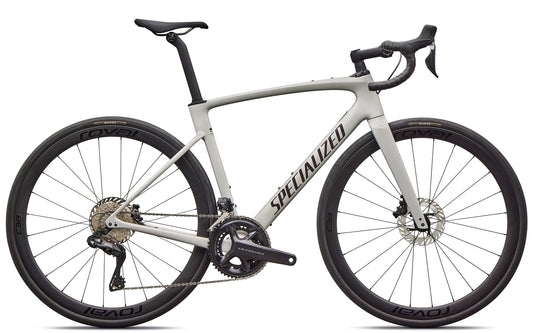
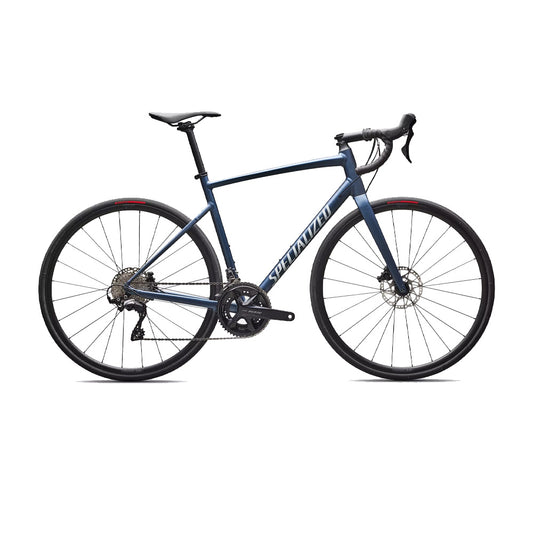
Built for speed and efficiency, the road bike features a lightweight, stiff and aerodynamic design made to fly on pavement.
Its frame—often made from aluminum or carbon—is paired with narrow tires designed for the road, helping reduce rolling resistance and keep your momentum going. The drop handlebars offer several hand positions, giving you better control and comfort whether you’re climbing, descending or picking up the pace.
Road bikes are also designed with a lower cockpit than saddle height, allowing riders to adopt a more forward, aerodynamic position that maximizes efficiency.
If your goal is to rack up kilometres on smooth pavement—whether for recreational rides, training sessions or competition—a road bike is hard to beat.
Find your road bike







Why choose a gravel bike?

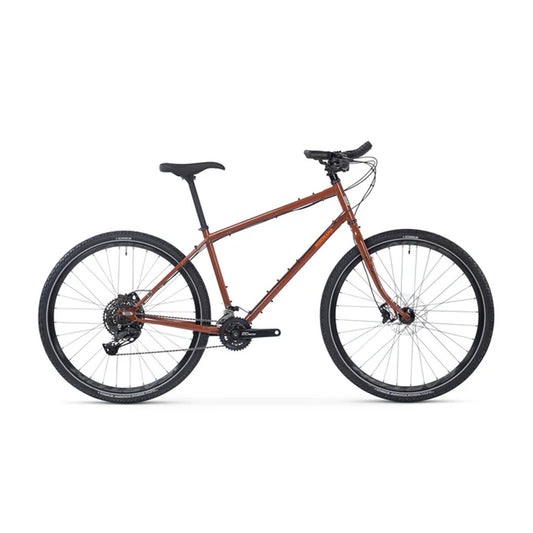
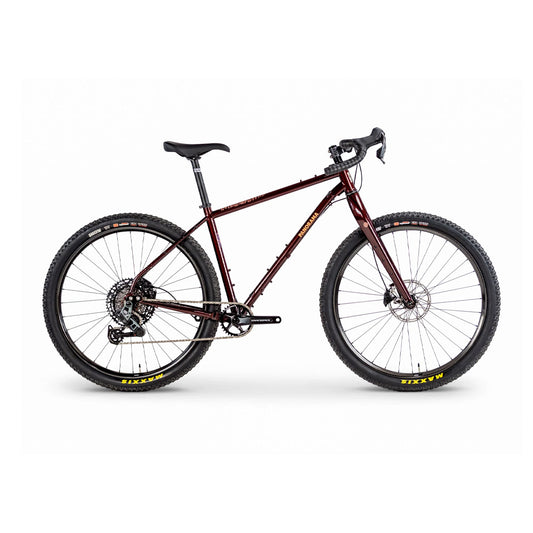
Gravel bikes are built to handle rougher surfaces—dirt roads, gravel paths and even some light technical trails. What sets them apart is their versatility: they let you move easily from pavement to backroads and trails without missing a beat. It’s exactly this adaptability that has driven the growing popularity of gravel riding in recent years.
Like road bikes, gravel bike frames are typically made from aluminum or carbon. However, they’re generally built a little sturdier to better absorb the bumps and vibrations of uneven terrain. Gravel bikes also feature wider, treaded tires that provide extra grip, stability and comfort on mixed surfaces. While this setup may make them slightly slower on smooth pavement, it makes them far more capable and confident once the road turns rough.
Gravel bikes are also designed with adventure in mind. Most models include multiple mounting points that allow you to attach bikepacking bags directly to the frame. This makes it easy to carry everything you need for a few days out—tent, sleeping bag, extra clothing, snacks and more.
Comfortable, stable and ready for a wide range of terrain, gravel bikes make it easy to move seamlessly from road to trail. If you’re looking to explore farther and take on new challenges, a gravel bike might be exactly what you need.
Find your gravel bike




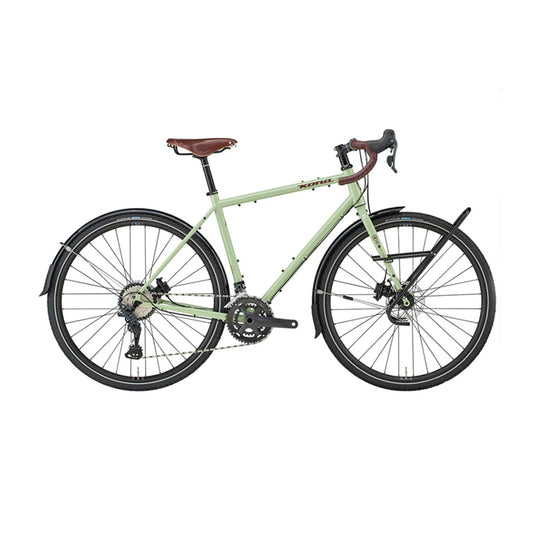

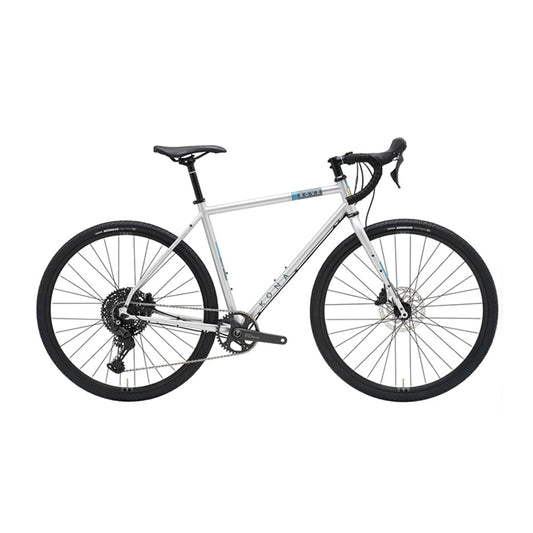


A gravel bike or a road bike?

If you’re trying to choose between a road bike and a gravel bike, there’s also a middle ground. One option is to ride a road bike with a second wheelset fitted with gravel tires. The other is to choose a performance-oriented gravel bike and keep a second wheelset with road tires. The right setup really depends on the type of riding you plan to do most often.
If most of your riding will be on pavement with the occasional gravel outing, a comfortable, performance road bike can be a great starting point. When you want to venture onto gravel roads, simply swap in your second wheelset with gravel tires for better comfort and control. While this setup isn’t ideal for technical trails, it works perfectly on crushed-stone paths, hard-packed dirt roads and light gravel routes.
On the other hand, if you expect to spend most of your time on gravel roads and mixed terrain, a performance gravel bike is likely the better choice. These bikes feature a geometry that’s quite close to a road bike, but with the added stability and tire clearance needed for rougher surfaces. And when your ride takes you back onto pavement, you can easily switch to your road wheelset for a faster, smoother ride.
Do you have a better idea of which bike might be right for you? If you still have questions, feel free to stop by one of our stores—we’ll be happy to help.
Share this article