


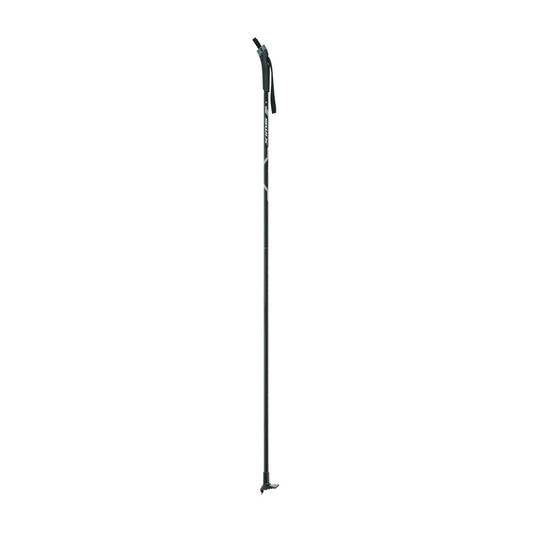

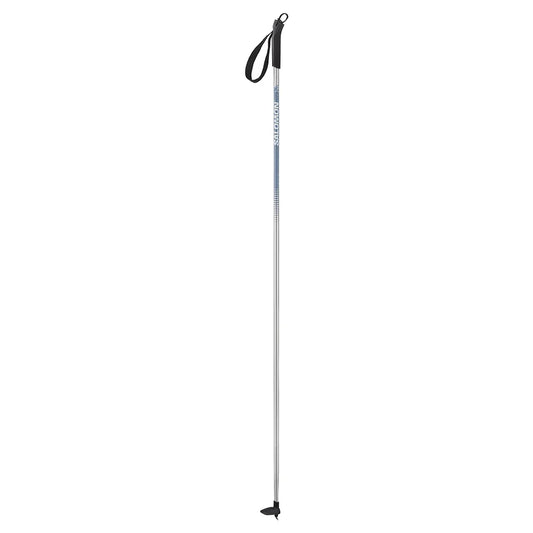


Off-trail cross-country skiing is mainly practiced on untracked terrain, using sturdy cross-country skis equipped with metal edges. This discipline is also known as Nordic backcountry skiing or backcountry skiing, and should not be confused with ski touring.

The different types of skiing explained
6 minutes
The world of skiing is, much like the landscapes it lets us explore, incredibly vast. Cross-country skiing, downhill skiing, telemark, backcountry skiing: the terms often overlap, get mixed up, and can create some confusion, especially when you’re starting to gear up or simply trying to understand what sets each style apart.
The goal here isn’t to convince you to pick the "right" type of ski, but rather to clarify the differences between the different activities. Because in the end, the best kind of skiing is the one that gets you outside and puts a grin on your face.

Understanding the Different Ski Families
Before diving into the specifics, it helps to know that skiing can be grouped into two main categories.
On one side, there’s cross-country skiing, which is practiced mostly on flat or gently rolling terrain. The idea is to move across the snow under your own power, often on groomed trails (or sometimes not, we’ll get to that), using lightweight equipment.
On the other side, you have downhill skiing (in the broad sense): it's where the descent is at the heart of the experience, usually on steeper terrain, with skis and boots designed to provide more stability and control.
Within these two families, you’ll then find several distinct disciplines.

Cross-Country Skiing: all about forward motion
Cross-country skiing is deeply rooted in our culture. Quiet, fluid and accessible, it lets you cover long distances on your own, while staying closely connected to the landscape and the nature surrounding you.
What defines all forms of cross-country skiing is lightweight equipment, flexible bindings and a natural foot motion. The terrain is usually gently rolling, and the experience is less about speed or downhill turns and more about steady, continuous movement.
Classic Cross-Country Skiing
It’s the most common form of cross-country skiing. It’s practiced in parallel tracks, using an alternating stride that quickly becomes second nature.
This style works just as well for first outings as it does for long winter tours. It encourages a smooth, consistent glide, a steady pace and efficient use of energy. Skis may feature fishscale bases or integrated skins to improve grip without sacrificing fluid movement.
Cross-Country Skate Skiing
Skate skiing, also known as skating, stands out for its side-to-side motion inspired by ice skating. The skis are shorter and stiffer, and the trails are wider and fully groomed.
This technique takes a bit more coordination and is even more aerobic, but it delivers a fast, dynamic glide in return. Skate skiing is often chosen by those who enjoy moving actively and keeping things energetic.
Backcountry Cross-Country Skiing
Backcountry cross-country skiing, also known as Nordic skiing, is the perfect option when you feel like leaving groomed trails behind and heading a little farther out. Think quiet forest roads, lake edges and crossings, open glades, unplowed trails, frozen rivers and streams. Here, the goal is to explore and trace your own route, at your own pace and with complete freedom.
The equipment follows that same idea. Skis are wider and more stable, helping you float better in soft snow and stay comfortable when the terrain gets uneven. It’s exactly the kind of skiing that pairs well with routes designed specifically for this style of travel, like those from our partner Les Routes Blanches, which offer a great way to discover the region and its Nordic heritage routes.
And if you’d like to give this beautiful activity a try, La Cordée also offers a rental service for complete backcountry cross-country ski setups. It’s an easy way to test the experience for a day or a weekend.

Downhill Skiing: all about the descent
Downhill Skiing
Classic downhill skiing doesn’t really need an introduction, but let’s go there anyway. It’s mostly practiced at ski resorts, using chairlifts and gondolas to get you up the mountain. The goal is simple: enjoy the descent, whether that’s on groomed runs or in natural snow, depending on conditions.
This style offers a wide range of experiences, from smooth cruising turns to more spirited runs, plus terrain parks and tree skiing, while still being accessible across many ability levels. The equipment is designed to provide stability and confidence, whatever pace you choose.
Telemark Skiing
Telemark skiing is easy to spot thanks to its free heel, which completely changes the way you turn. The stance is lower and more flowing, and it takes solid coordination to make it feel smooth.
Often linked to a more traditional approach to skiing, telemark can be done at the resort or in natural terrain. It’s all about feel and finesse, rather than speed or power.
Alpine Touring Skiing
Ski touring combines the climb and the descent in a single outing. Using climbing skins, you make your way uphill at your own pace, then peel the skins off for the ski down.
It’s a great way to reach quieter, less-traveled terrain in the mountains, with a strong sense of independence. Touring gear is designed to be versatile, lightweight, and efficient across changing conditions. It does require good terrain awareness and solid preparation, but in return you get an experience that feels deeply immersive.

Making sense of the different types of skiing
When you’re trying to make sense of it all, the simplest move is to ask yourself what actually motivates you to get out skiing.
If your main goal is to cover ground for a long time on mostly flat or gently rolling terrain, at your own pace, you’re looking at cross-country skiing.
If, on the other hand, your day revolves around the descent and staying in control on steeper slopes, whether that’s at a resort or in more mountainous terrain, you’re in the downhill skiing family in the broad sense (downhill, telemark, or ski touring).
From there, the different styles are easier to tell apart using a few concrete cues:
-
terrain type: groomed track, wide groomed trail, glades, steeper slopes;
-
heel freedom: fixed, free, or a mix depending on the setup;
-
ski width, which affects stability and float in softer snow;
-
whether there’s an uphill mode, like in ski touring.
Keep those in mind and it gets much easier to place each discipline and avoid lumping everything into the same category.

FAQ: Frequently asked questions about skiing styles
What’s the main difference between cross-country skiing and downhill skiing?
Cross-country skiing is about moving under your own power across flat or gently rolling terrain, while downhill skiing is centered on the descent, often in the mountains, with stiffer, more supportive gear.
Is ski touring a form of downhill skiing?
Yes. Ski touring is part of the broader downhill skiing family, but it includes an uphill phase using climbing skins, which is what sets it apart from resort-only downhill skiing.
Are backcountry cross-country skiing and ski touring the same thing?
No. Backcountry cross-country skiing is typically done on mellow, low-angle terrain, while ski touring targets steeper slopes and downhill-style descents.
Why is telemark different from traditional downhill skiing?
Telemark stands out for its free heel, which changes your stance and turning technique. The movement is more fluid and requires more coordination.
Can you do multiple types of skiing with one setup?
Generally, no. Each style of skiing calls for gear that matches the terrain and the movement pattern. That said, some setups can cover hybrid uses, depending on what you’re aiming to do.
In summary
We hope this quick guide helped you tell the different types of skiing apart. If you feel like talking skis, getting geared up, meeting experts in these disciplines, or setting yourself up for your next day on snow, you know where to find us!




View more tips

My 5 most beautiful off-piste cross-country ski trips of all time

How to choose the right classic cross-country ski equipment?
Are you a fan of aerobic sports and looking to stay in shape all winter long? Classic cross-country skiing might just become your new go-to activity.

Pro tips for skiing hard
To help you see whether you’re familiar with all the maintenance tips related to this winter sport, we asked La Cordée’s ski department advisors what they recommend to avoid common maintenance mistakes. Here are their tips, at a glance.
Share this article