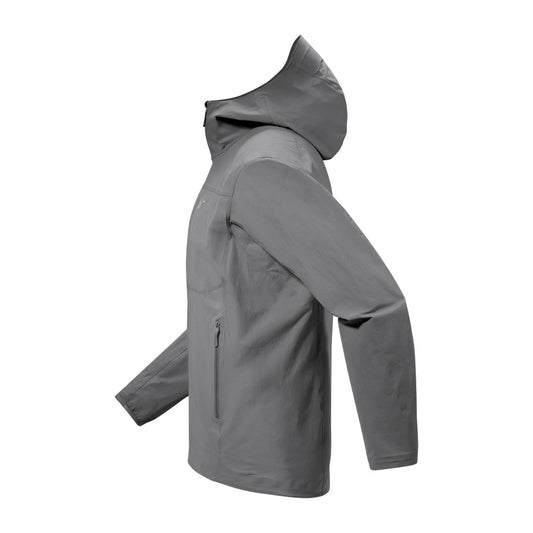
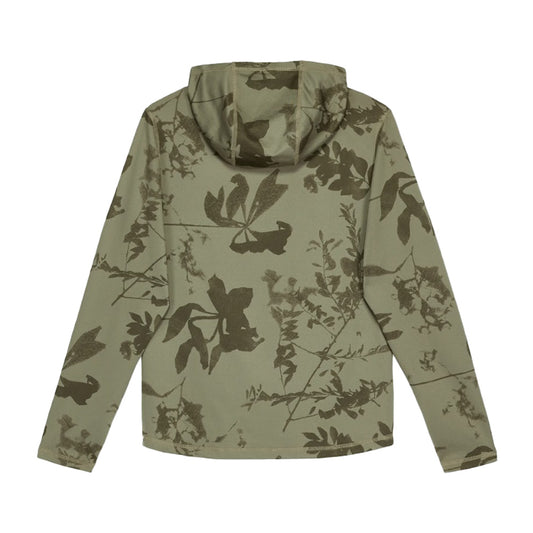
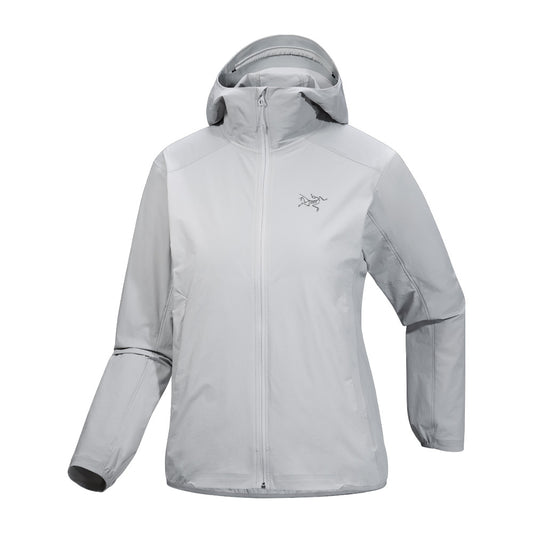
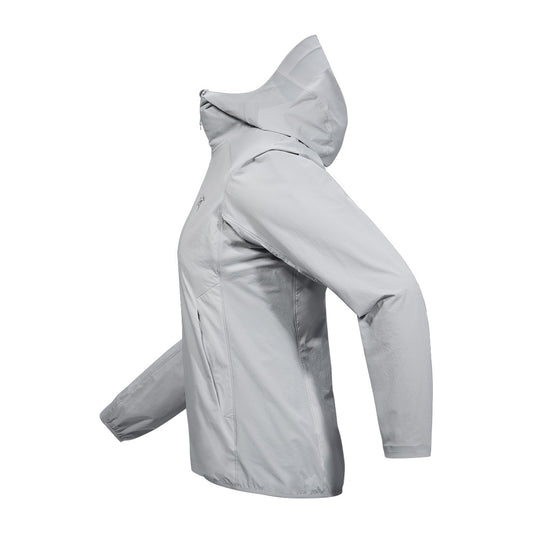
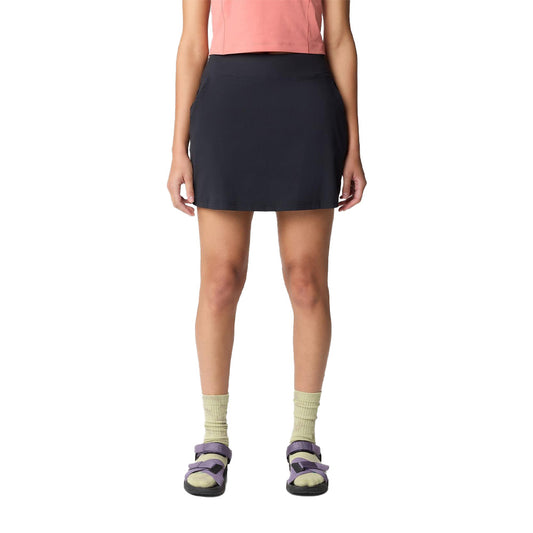
Vêtements anti-uv : Pour bien se protéger du soleil

Understanding UV clothing for better sun protection

6 minutes
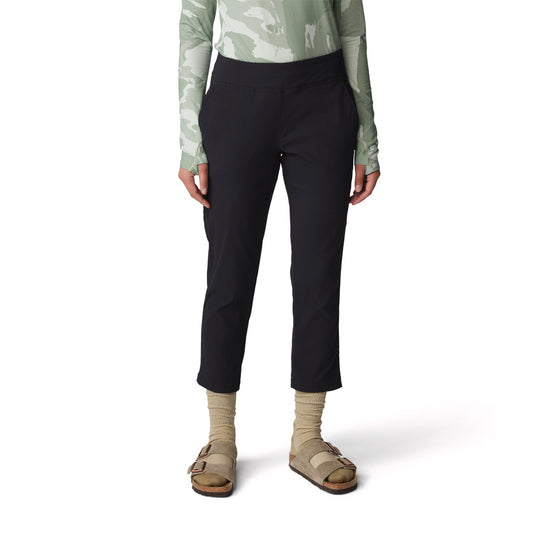
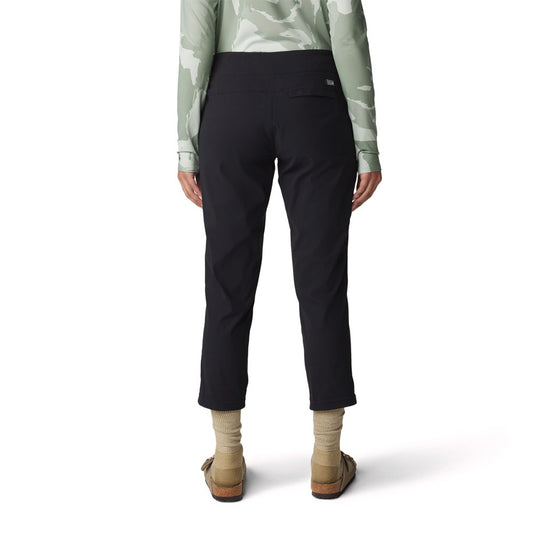
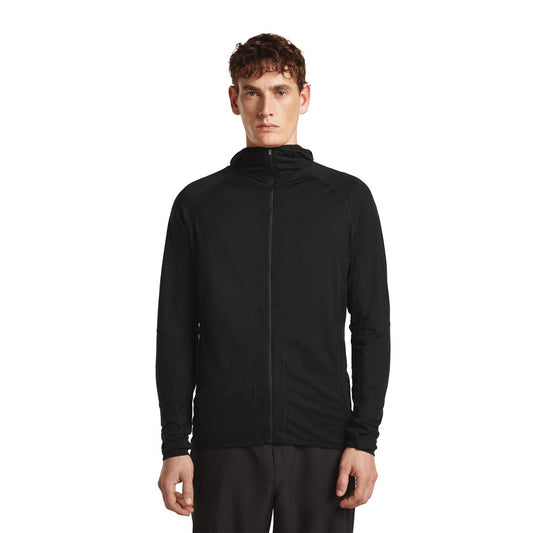
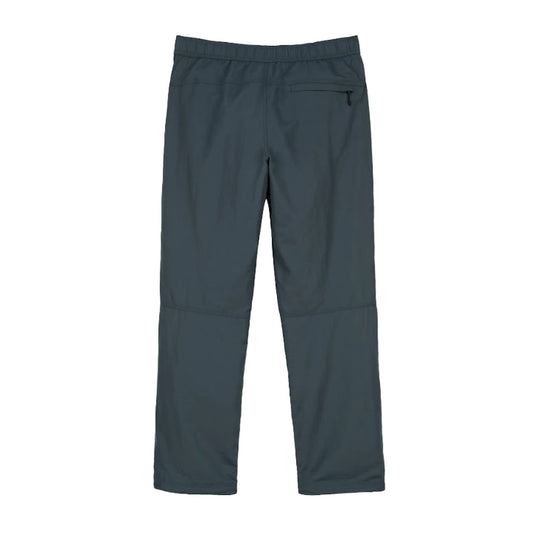
We often think a lightweight shirt is enough sun protection. In reality, not all fabrics filter UV rays the same way. Some materials like cotton let a significant amount of radiation through, especially when thin, wet, or stretched. UV-protective clothing is specifically designed to provide more consistent protection across conditions.

Why all clothing is not equal when it comes to uv protection

A regular garment, like a cotton T-shirt, can act as a basic barrier against the sun. But that barrier isn’t consistent. A thin fabric lets some UV rays pass through, and once it becomes wet or stretched with movement, its level of protection drops.

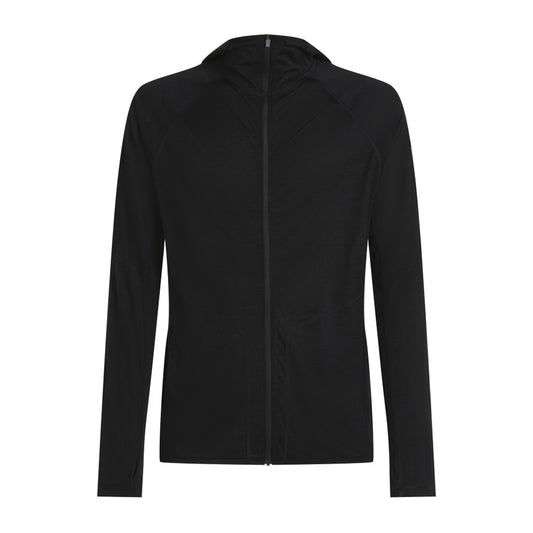
That’s where UV-protective clothing comes in. It is designed from the start to limit this variability: the weave is tighter, the fibres are chosen for their stability, and the fabric is engineered to better block ultraviolet rays.

This performance is measured using the UPF (Ultraviolet Protection Factor). It’s the textile equivalent of SPF (Sun Protection Factor) in sunscreen, but for fabric: UPF indicates how much UV radiation a garment blocks. The higher the number, the stronger the protection. A standard cotton T-shirt typically has a UPF around 5 to 10, while purpose-built UV-protective clothing can reach 40 or 50+, blocking up to 98% of UV radiation.

Vêtements anti-uv

Protection and comfort all day long

When you’re outside for extended periods, you know conditions can change quickly: the sun coming in and out, humidity, wind, sweat, and more. UV-protective clothing provides more stable and long-lasting protection through these kinds of changes, unlike sunscreen, which needs to be reapplied several times throughout the day, especially after rain or swimming.

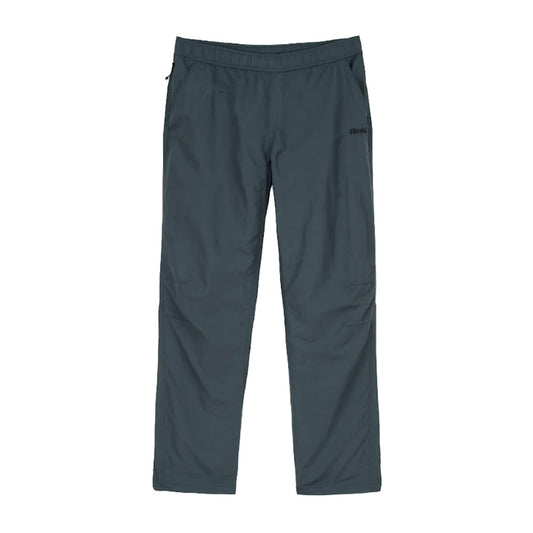
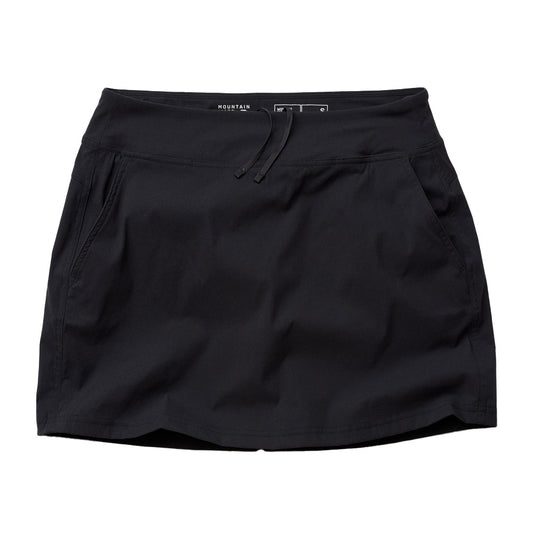
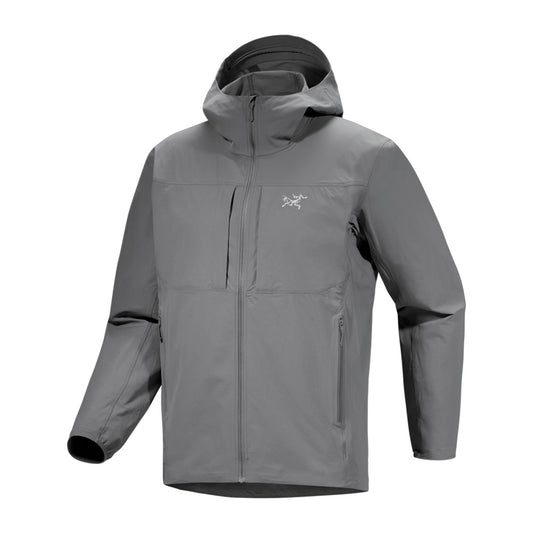
But it’s not only about sun protection. The fabrics used in these garments are also designed with comfort in mind in warm conditions. They breathe well, dry quickly, and wick away moisture, helping prevent that sticky or overheated feeling after a few hours of activity.

That’s often where the difference becomes noticeable compared to regular clothing on longer outings: you stay covered and protected without overheating. In that context, it’s easy to see why this type of fabric is widely used for hiking, running, climbing, cycling, and water-based activities.

Merino wool also offers natural UV protection, generally higher than cotton. However, its performance varies depending on thickness and knit density, meaning not all merino garments are automatically designed or certified as UV-protective pieces.

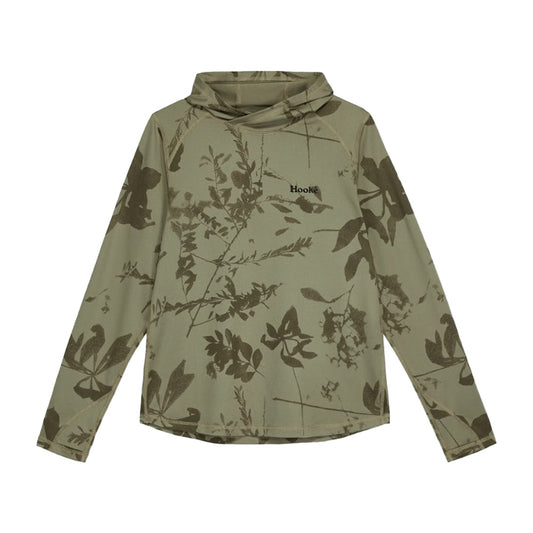
How to choose your uv-protective clothing

Even when the sky is overcast, UV rays still reach the skin. And because it feels cooler, exposure is often underestimated, especially during longer or repeated outings. In this context, UV-protective clothing becomes a simple and effective base layer: it covers the most exposed areas—arms, shoulders, neck—and provides consistent protection without needing constant attention throughout the day.

From there, the choice mostly depends on how you move outdoors. There isn’t one “right” UV garment, but rather options suited to different types of activities. Some prioritize lightness and ventilation for high-output days, while others focus on fuller coverage for longer exposure.

UPF is a good starting point, but it doesn’t tell the whole story. Fit, breathability, and how the fabric feels after hours of activity matter just as much. In the end, the right piece is often the one you forget you’re even wearing once you’re out there.

And if the choice feels a bit overwhelming, that’s normal. It’s exactly where the advisors at La Cordée stores can help you sort things out, based on your activities and how you like to spend time outdoors.

protection soleil

Frequently Asked Questions about UV-Protective Clothing

Does UV-protective clothing replace sunscreen?

No. They cover a large part of the body, but some areas remain exposed, such as the face and hands. UV-protective clothing and sunscreen are complementary protection methods.

Are UV-protective clothes useful even with cloudy skies?

Yes. UV rays pass through clouds, even when the sun feels less intense.

Do all fabrics protect the same?

Not at all. A lightweight cotton fabric does not protect the same way as a technical textile designed to block UV rays. The type of fibre, its density, and its resistance to moisture all make a real difference.
Does the UV-protection factor of these clothes last?
Yes, to a certain extent. UV-protective clothing retains its properties for several seasons, especially when properly cared for (gentle wash cycle, no fabric softener, air drying). And if you have any questions, our in-store teams are there to help you understand the differences between models based on how you plan to use them.
Soleil course
Share this article

See more tips

Camping_arriere_pays

Camping gear: essentials for everything from short trips to full expeditions

Head out camping for a weekend or a multi-day expedition with all the essential gear you need to stay self-sufficient, safe, and comfortable.
Remplir_et_organiser_son_sac_de

Hiking backpack: what to pack and how to organize it

You’ve chosen your next hiking trail. It’s now time to get your backpack ready.
Decouvrir_quebec_en_camping

Discovering Eastern Quebec through a camping trip.

Nature getaway in Quebec: 6 campsites among forests, yurts, and the shores of the St. Lawrence, with hiking, cycling, kayaking, and star-filled nights.