

Pro tips for winter hiking
6 minutes
La randonnée est la meilleure façon de faire le plein de vitamine D en plein hiver et de briser la routine quotidienne. Cependant, les précautions à prendre pour une randonnée en hiver sont différentes de celles à prendre pour une randonnée en été.
Découvrez nos conseils de pro pour vous préparer adéquatement pour profiter des sentiers enneigés en toute sécurité.
Before leaving
In preparation for the big day, check the weather in the region to dress according to the temperature. Also, find out about the trail conditions to take the necessary equipment with you.
Familiarize yourself with the trail map to know your route well and don't forget to slip a copy into your backpack. Take note of the location of shelters or shelters to anticipate your rest times or snack breaks.
Familiarize yourself with the trail map to know your route well and don't forget to slip a copy into your backpack. Take note of the location of shelters or shelters to anticipate your rest times or snack breaks.
As the sun sets earlier in winter, plan your departure time accordingly to avoid being caught by darkness. Also, take into consideration your skills as well as winter conditions. Hiking in winter can take longer than in summer.
Before venturing onto the trails, inform your loved ones of your itinerary and departure time.

Clothes
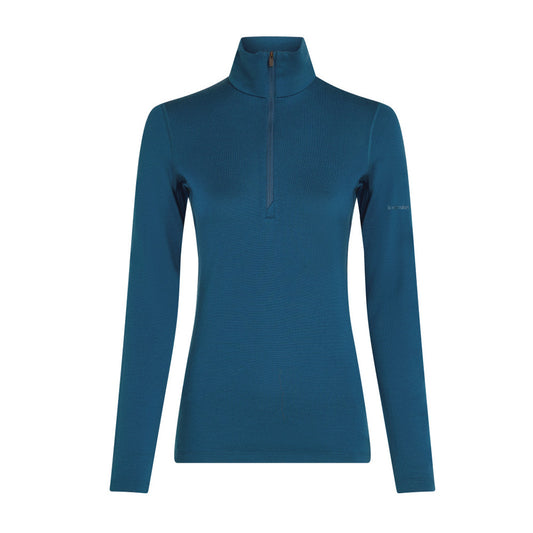
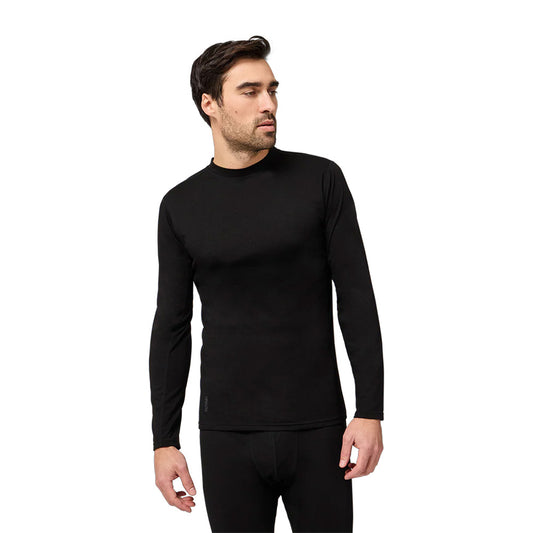
For winter hiking, the multi-layer system is your best friend. You can remove or add layers depending on the whims of the weather and your physical exertion. In the mountains, the weather is sometimes changeable, so we advise you to add an extra warm garment to your backpack.
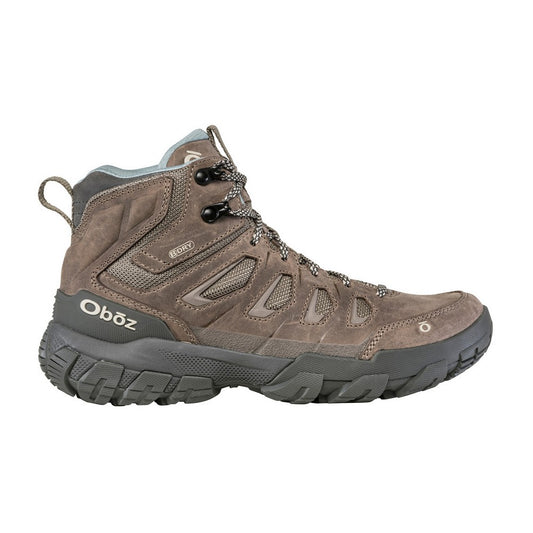
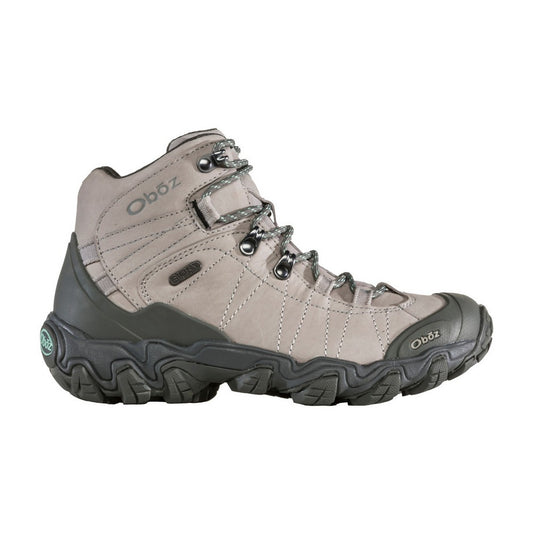
For your feet, get insulated winter hiking boots with an outsole suitable for icy and snowy terrains. Opt for warm and breathable merino wool socks, designed for hiking. Don't forget to keep a pair of dry socks in your car to be comfortable.

The equipment
The equipment is a very important part of winter hiking to ensure you have a successful and safe experience. First, get a backpack suitable for your favorite type of hike, whether long or short. Then, carefully fill your backpack to have all the essentials needed once on the trails.
For your safety and to move better on snowy trails, you will need crampons or snowshoes, as well as hiking poles. Find out about the trail conditions and regulations once on site, as this will determine whether you need snowshoes or crampons. In any case, it is essential to carry a pair of hiking crampons in your bag at all times.
Don't forget to bring an external battery (portable charger) to recharge your phone. With the cold, your phone's battery may discharge more quickly. Always carry a headlamp in case of darkness, even if you think you have time to finish your hike before nightfall. Add hand warmers and foot warmers to your bag. They don't take up much space and you'll be glad to have them on hand if you ever get cold in your extremities.
If you want to admire the scenery or take a snack break, get a small foam hiking seat. You can sit down at any time without getting a cold bottom.
Finally, for your safety, carry a first aid kit, a small multi-tool, a lighter and a whistle.

Food
The human body expends more energy when it's cold, which is why it's important to have enough water and energy-boosting snacks for the duration of your hike.
A little extra to comfort you at the end of your hike: plan for an insulated bottle with a hot beverage for the return trip.
To stay hydrated throughout your hike, here are some tips to prevent your water from freezing:
- Fill your water bottle with lukewarm or hot water. Once on the trails, the water should have reached room temperature.
- Wrap your bottle in an insulated cover or wrap your spare clothes around the bottle.
- Store your bottle upside down in your bag. This way, if your water starts to freeze, the ice will form at the bottom of the bottle.
A little extra to comfort you at the end of your hike: plan for an insulated bottle with a hot beverage for the return trip.








Share this article