

Rock climbing in Quebec: 5 must-visit climbing sites
6 minutes
With its cliffs, rock faces, and spectacular landscapes, Quebec is a top destination for rock climbing enthusiasts. Whether you want to learn the fundamentals of climbing, refine your technique, or take on new vertical challenges, the province is home to climbing areas suited to every skill level.
Discover 5 must-visit destinations for rock climbing in Quebec.
To view their map of climbing areas across Quebec, click here.
1. Panorama Cliff – Outaouais
Located in Bowman Forest Regional Park in the Outaouais region, Panorama cliff is one of the best places to get started with rock climbing in Quebec. About 45 minutes from Gatineau, this climbing area offers a welcoming environment for new climbers, featuring a variety of rock formations, including slabs, vertical faces, and cracks.
With its relatively flat terrain and welcoming atmosphere, it is an excellent place to introduce the whole family to climbing. Young aspiring climbers can learn the basics of the sport in a safe environment.
Panorama Cliff is divided into five sections and features 12 climbing routes. Start your day on the École wall, the perfect training ground for beginner climbers. Once you have mastered the basic movements, head over to the Université wall for slightly more challenging routes.
While this climbing area is ideal for beginners, experienced climbers can also enjoy the Cathédrale, Enfer, and Spectrum walls.
After a few hours on the rock, cool off with a refreshing swim in Lac du Brochet before heading home.
- Region: Gatineau, Outaouais
- Level: beginner
- Number of climbing walls: 1 cliff divided into 5 sections
- Parking: park near the Lac du Brochet picnic area within the park.
- Approach: approximately 10-minute approach hike on a marked trail.

2. The Trois-Rives Climbing Area – Mauricie
The Trois-Rives climbing area has come to life in recent years thanks to the work of many volunteers, with support from the FQME and the local climbing community. Easy to reach from Route 155, it has quickly become one of the standout climbing spots in the Mauricie region.
The cliff runs for about 400 metres and ranges from 15 to 80 metres high. Today, it features around 100 routes across 11 sectors, with enough rock to eventually host more than 200 lines. Most of the climbing is well suited to beginner and intermediate climbers, but a few more demanding routes give experienced climbers something to dig into as well. In summer, the cliff gets sun from roughly 11 a.m. to 6 p.m. There are two toilets on site, but bring your own paper. Dogs are welcome on leash at all times, and fires are allowed only in designated campground areas.
- Region: Trois-Rives, Mauricie
- Level: Beginner to intermediate, with a few more challenging routes
- Number of cliffs: 1 cliff of about 400 metres, divided into 11 sectors, with around 100 routes
- Parking: Access from Route 155, at kilometre 71
- Approach: 30 seconds to 15 minutes, depending on the sector
- Access fee: $10 per person, tax included, to climb on site

3. Monts-et-Merveilles Nature Reserve cliff – Saguenay-Lac-Saint-Jean
Overlooking the Saguenay River, the cliff at the Monts-et-Merveilles Nature Reserve offers a wild and unspoiled climbing environment. Still relatively unknown, this site appeals to intermediate climbers who enjoy venturing off the beaten path and climbing in a peaceful setting away from the crowds.
Access the cliff via Roussel Road, then follow a private access road that is open to pedestrians only. The site is well known among climbers for its beautiful sandstone slab, which rises approximately 30 metres above the surrounding landscape. The cliff features intermediate to advanced routes suitable for both sport climbing and traditional climbing.
It is an ideal training ground for refining your technique while enjoying an exceptional natural setting. Throughout your climb, you'll be treated to stunning views of the Saguenay River.
Because the cliff is located on private property, it is essential to respect the area and follow Leave No Trace principles to help preserve the reserve. Be sure to park on nearby public streets rather than on private property.
- Region: Chicoutimi, Saguenay–Lac-Saint-Jean
- Level: intermediate
- Number of climbing walls: 1 cliff divided into 9 sectors with approximately 20 routes
- Parking: there is no designated parking area. Park on nearby streets.
- Approach: from the fence at the entrance to the property, follow the gravel road heading east. After less than 100 metres, you will see information panels about the reserve on your right.

4. Mont Grand Morne cliff – Chaudière-Appalaches
For climbers looking to take their skills to the next level, Mont Grand Morne is a must-visit destination. Located near Thetford Mines, this vast climbing area is often considered one of the most beautiful climbing destinations for traditional climbing in Quebec. Its volcanic rock is also a rare geological feature within the province.
The site is divided into roughly 20 sectors and offers approximately 200 routes reaching heights of up to 100 metres, providing a wide variety of challenges for intermediate and advanced climbers.
Although the area is best known for traditional climbing and the use of protection gear, several sectors are also suitable for sports climbing, top-rope climbing, and bouldering. With so many sectors to explore, there is always a new route waiting to be discovered, no matter how many times you visit.
Mont Grand Morne also holds a special place in Quebec’s climbing community. Climbers have been visiting the site since the 1980s thanks to an agreement established with the landowner at the time. A statue of Saint-Joseph, the patron saint of climbers, was installed on the cliff and remains visible today. Carved from wood by a local climber, it has become one of the site's most recognizable landmarks.
- Region: near Thetford Mines, Chaudière-Appalaches
- Level: intermediate to advanced
- Number of climbing walls: multiple cliffs divided into 20 sectors with approximately 200 routes.
- Parking: located directly beside the cliff.
- Approach: no approach hike required.

5. La paroi du Mont Baldy – Laurentians
A true classic of climbing in the Laurentians, Mont Baldy has attracted climbers since the 1970s. Its impressive rock face was shaped by glaciers, erosion, and the Champlain Sea. Today, it remains one of the region’s most renowned climbing destinations.
If you enjoy routes that push you beyond your limits, Mont Baldy may quickly become one of your favourite climbing areas. The most popular routes range from 5.11 to 5.13 and require strength, endurance, and solid technical skills.
Mont Baldy is divided into six sectors: Principal, Petit Mur, Grenouillage, Stéphanatique, Dévers des anges, and Petit Baldy. Together, these sectors offer approximately 60 routes featuring a variety of climbing styles for experienced climbers.
The best time to climb Mont Baldy is in the afternoon. Because the cliff faces southeast, it provides shade during hot summer days. However, patience is required after rainfall, as some sections can remain damp for longer periods.
- Region: Sainte-Adèle, Laurentians
- Level: advanced
- Number of climbing walls: 1 cliff divided into 6 sectors with approximately 60 routes.
- Parking: park along Chemin Saint-Germain just past the trailhead.
- Approach: the approach trail begins a few metres north of 860 Chemin Saint-Germain. Once on the trail, keep left and follow the orange and pink markers.
Choose a destination that matches your skill level, pack your climbing gear, and take advantage of the many vertical playgrounds Quebec has to offer.
FAQ – Frequently asked questions about rock climbing
Can beginners practise rock climbing in Quebec?
Yes, absolutely. Quebec offers many rock climbing sites that are suitable for beginners. To learn safely, it is highly recommended to take an introductory course with a certified guide. Many sites affiliated with the FQME provide quality resources and supervision for new climbers.
What equipment do I need for outdoor rock climbing?
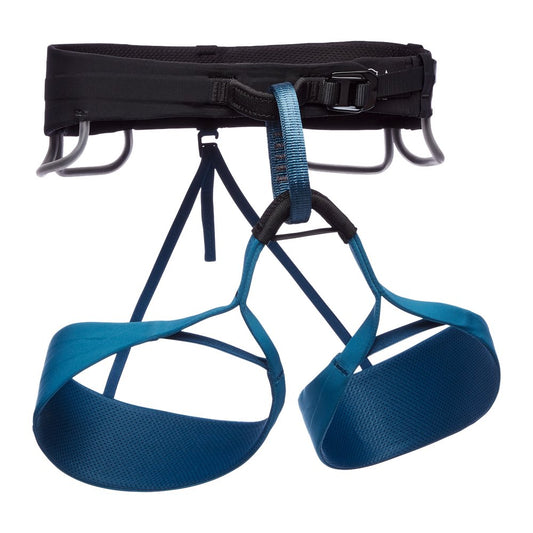
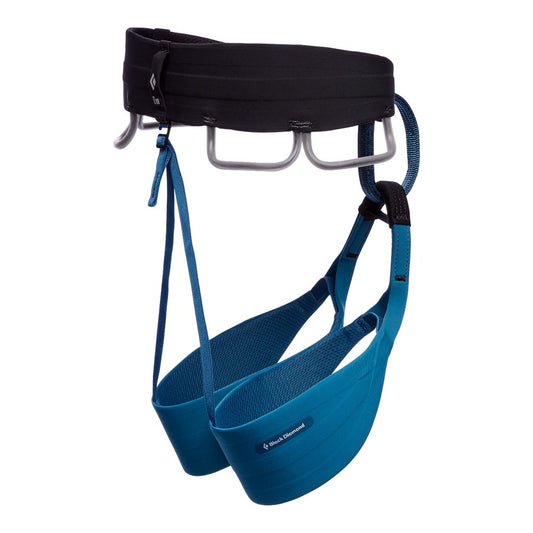
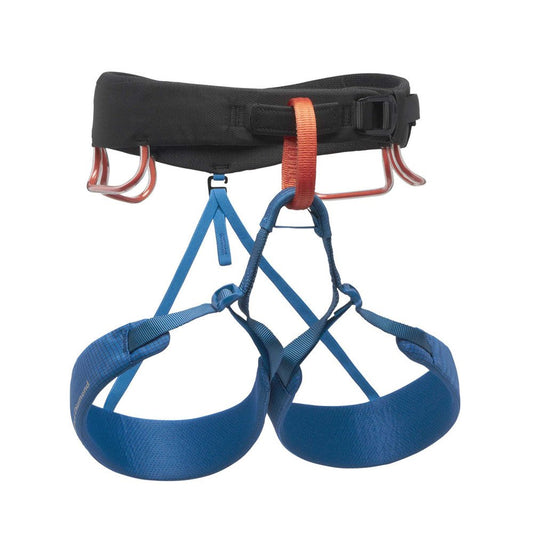
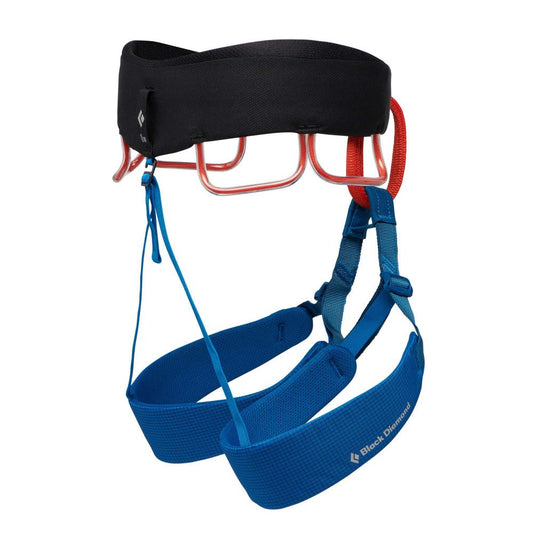
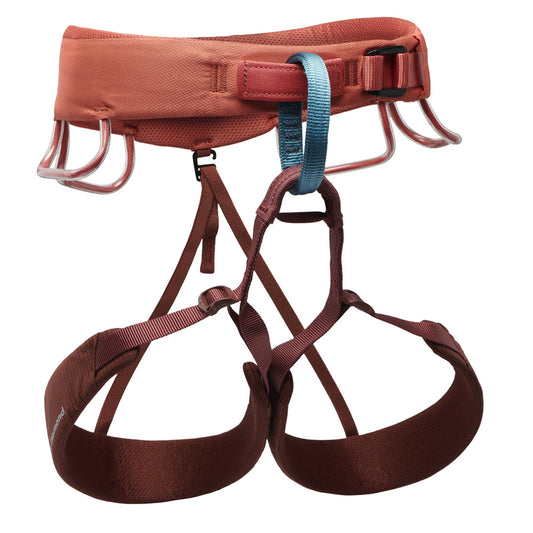
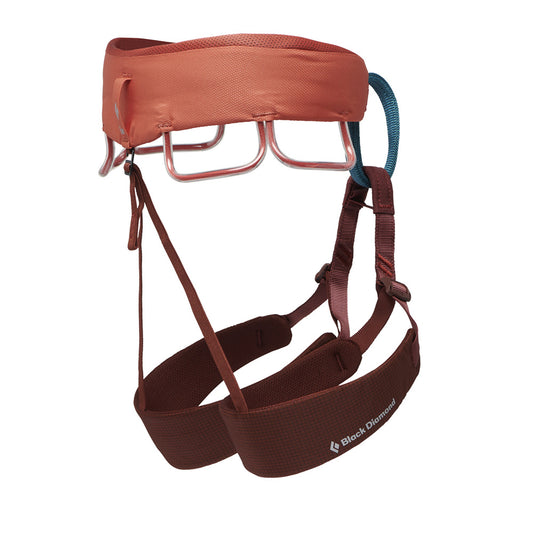
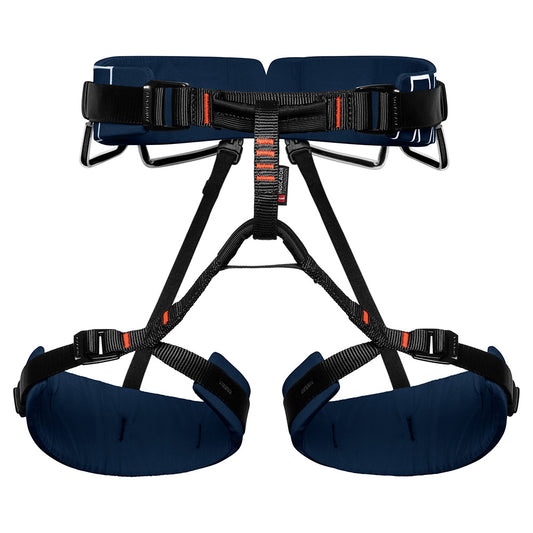
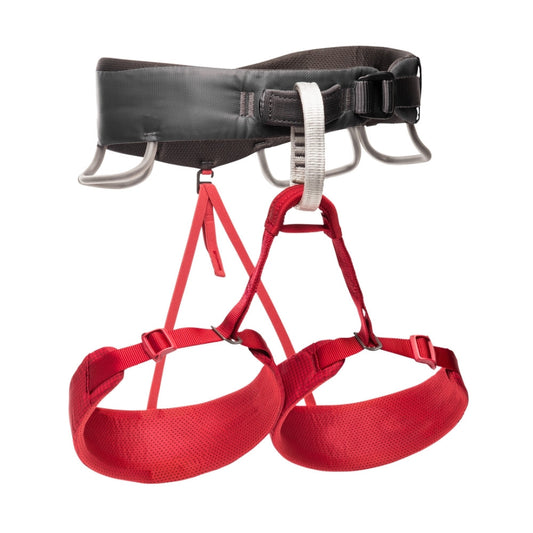
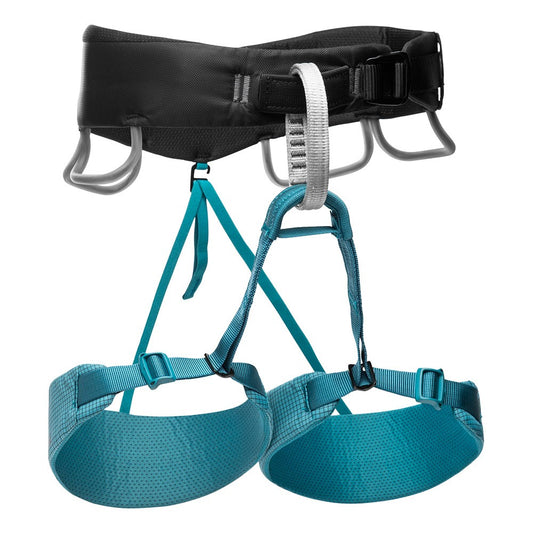
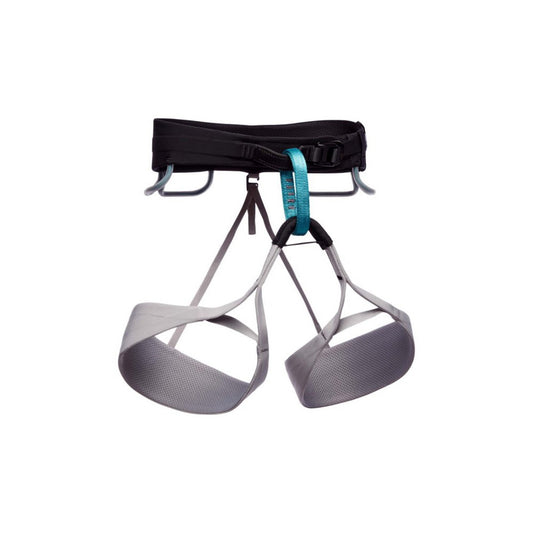
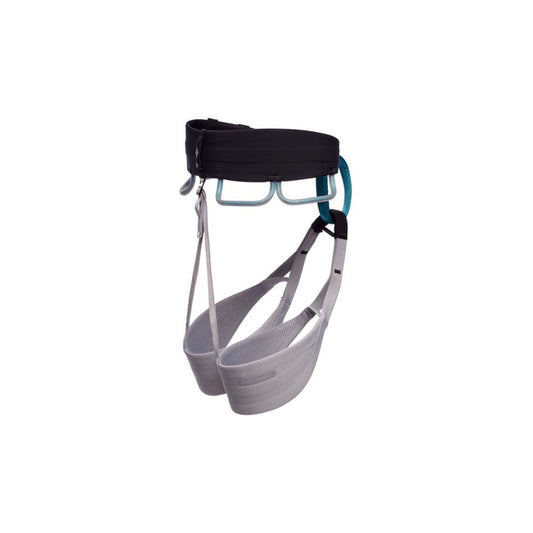
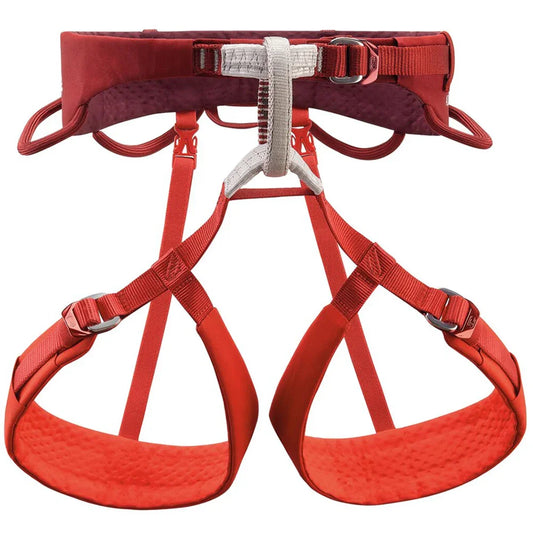
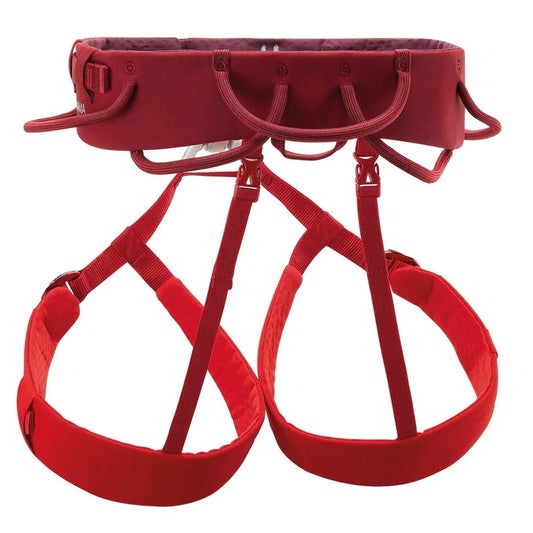
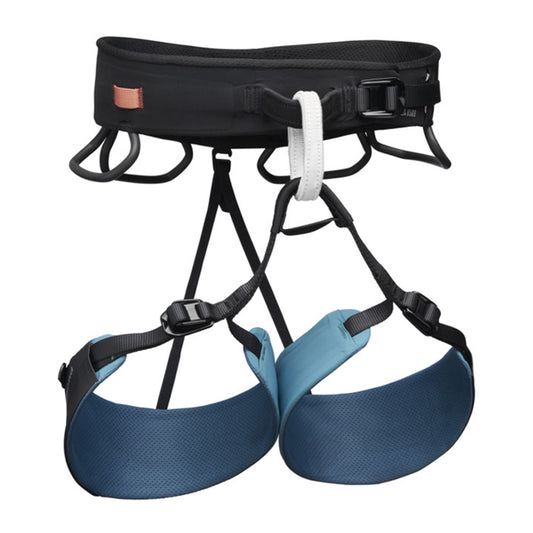
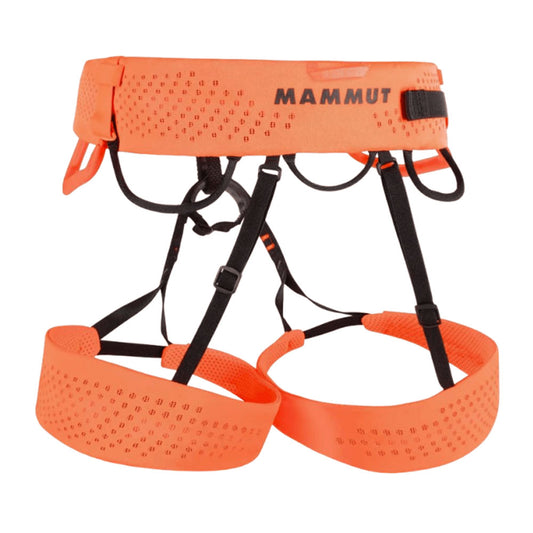
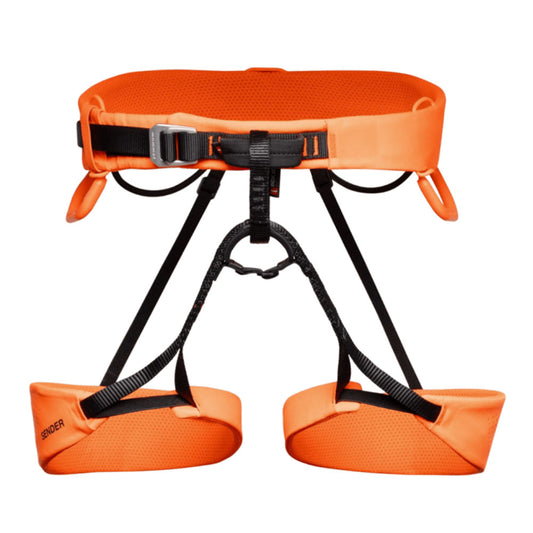
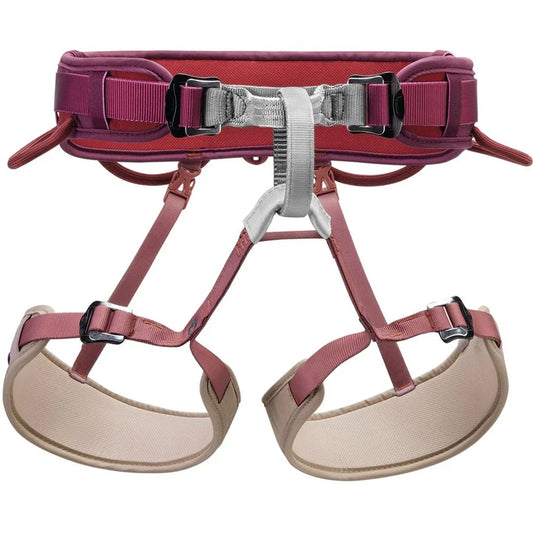
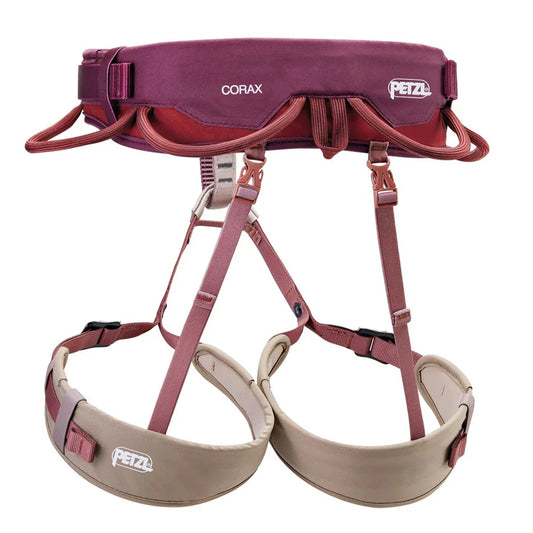
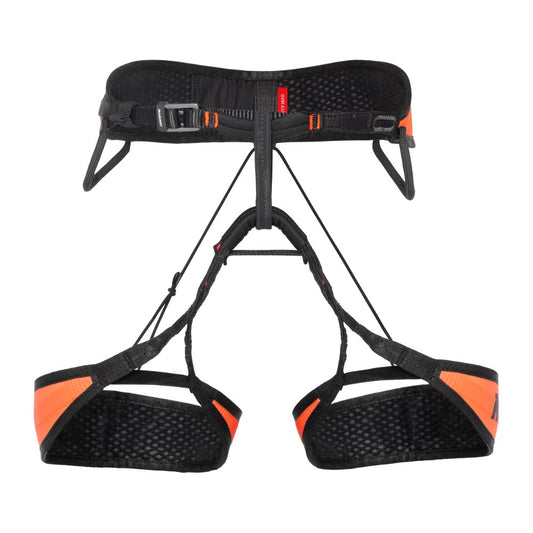
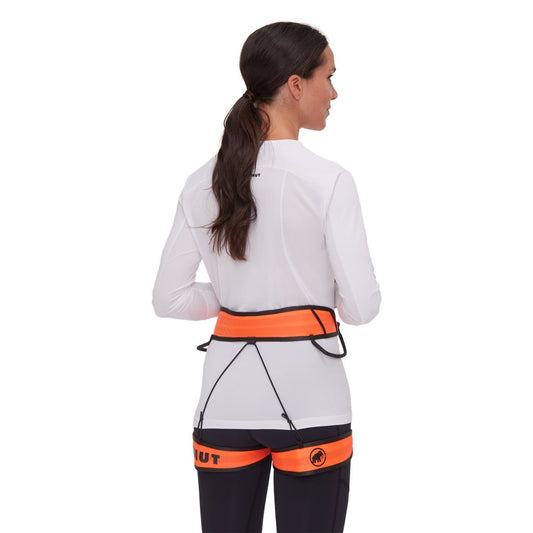
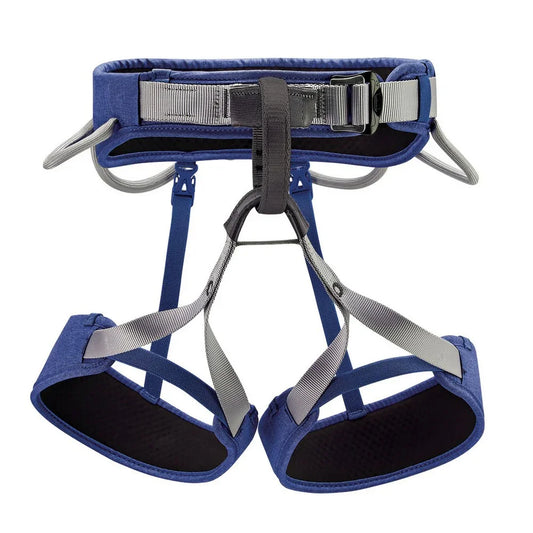
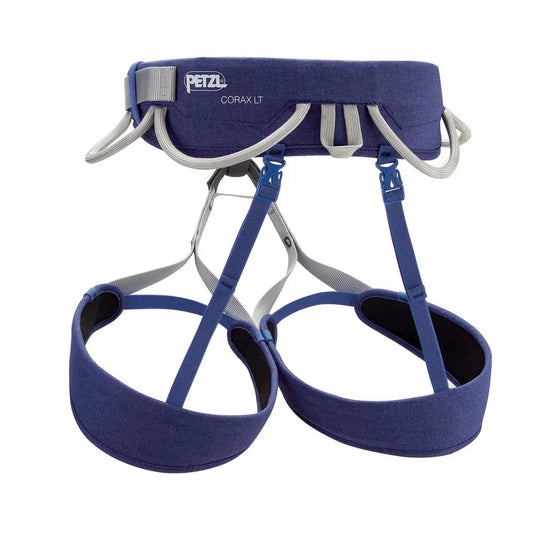
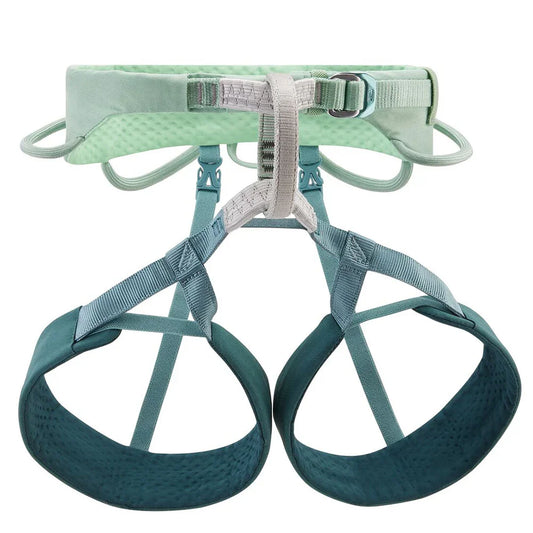
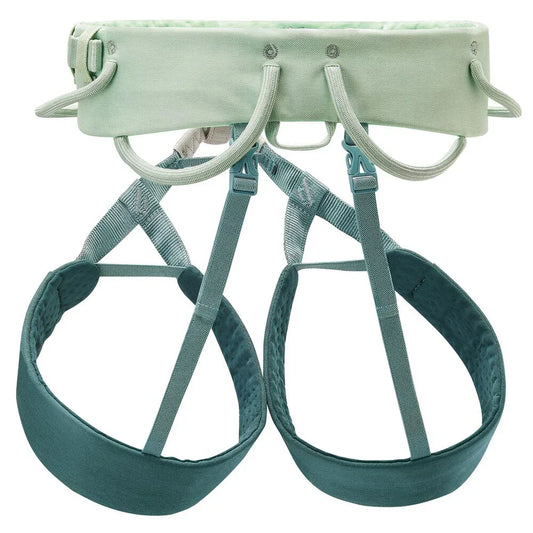
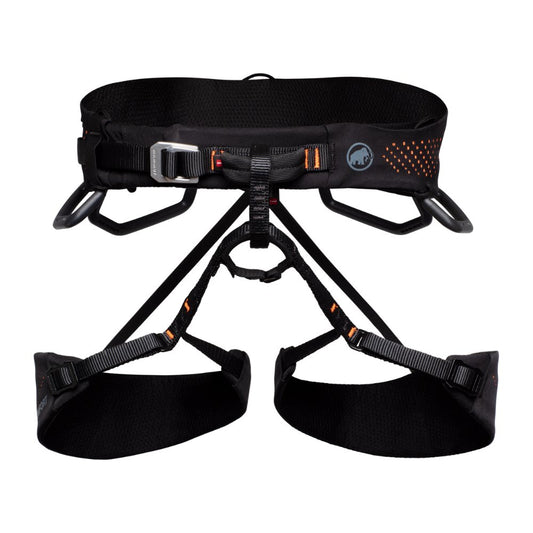
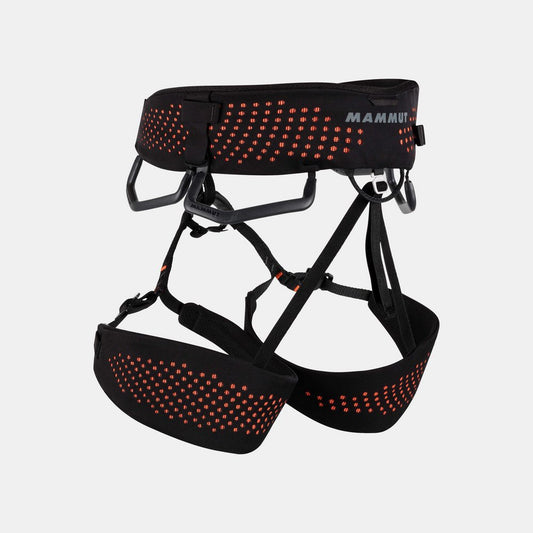
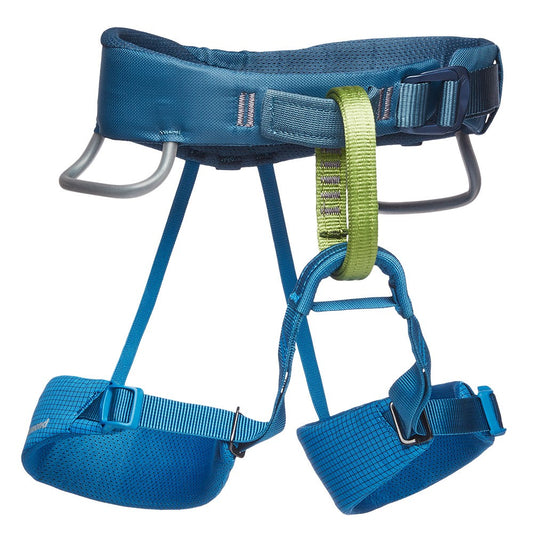
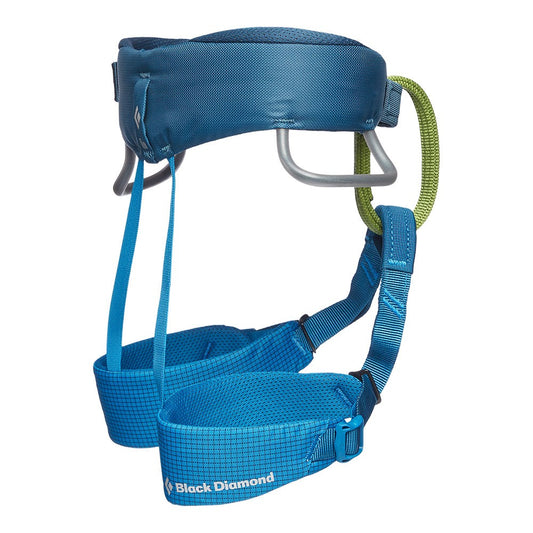
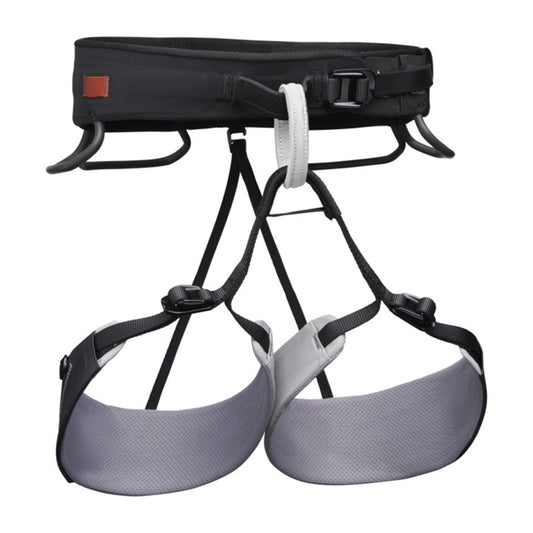
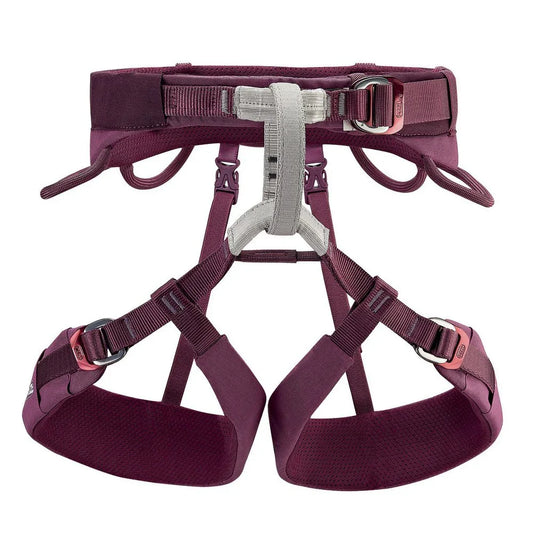
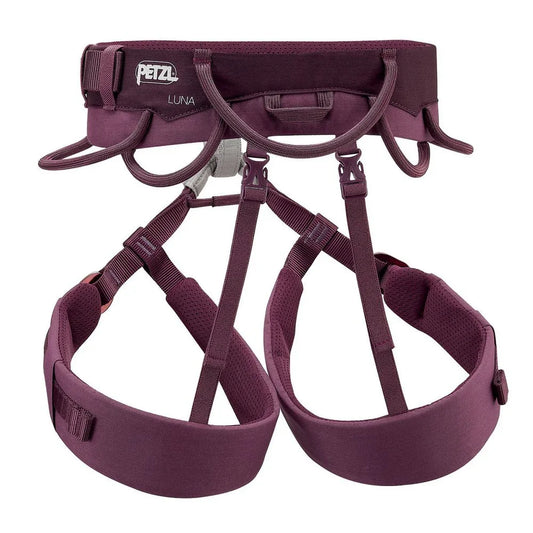
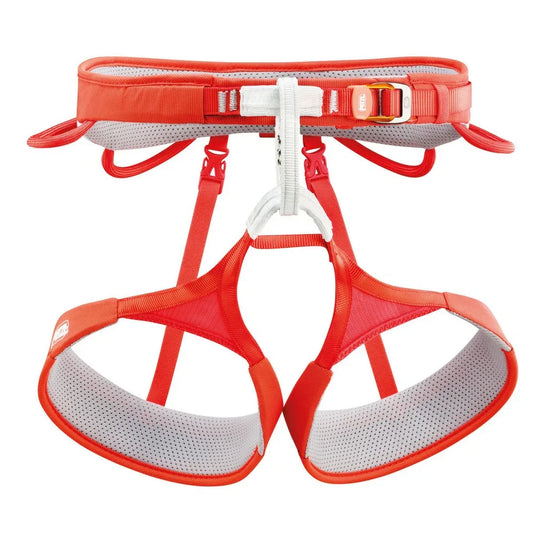
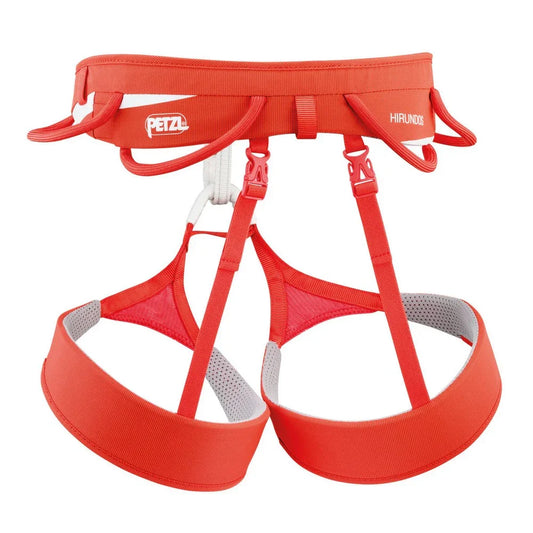
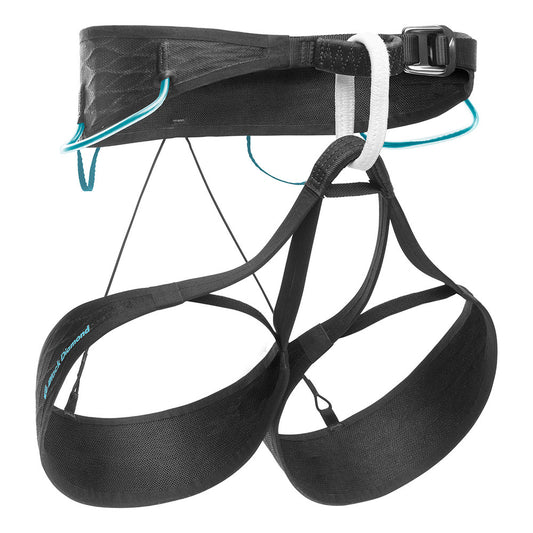
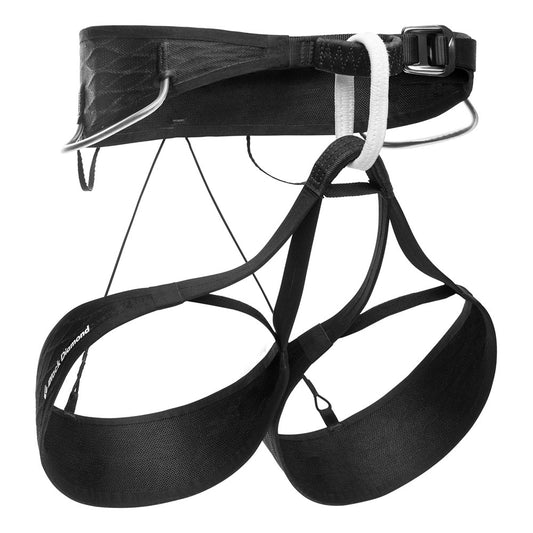
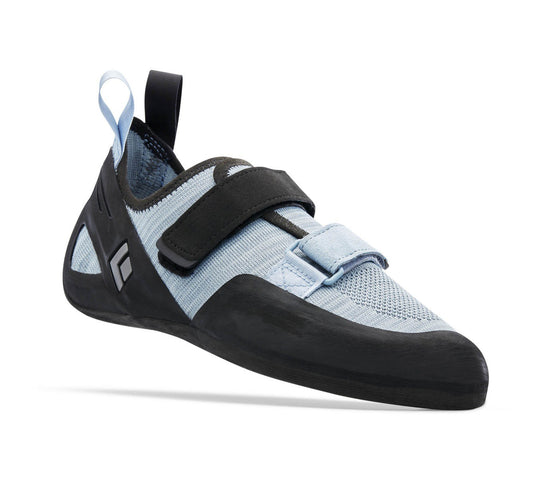
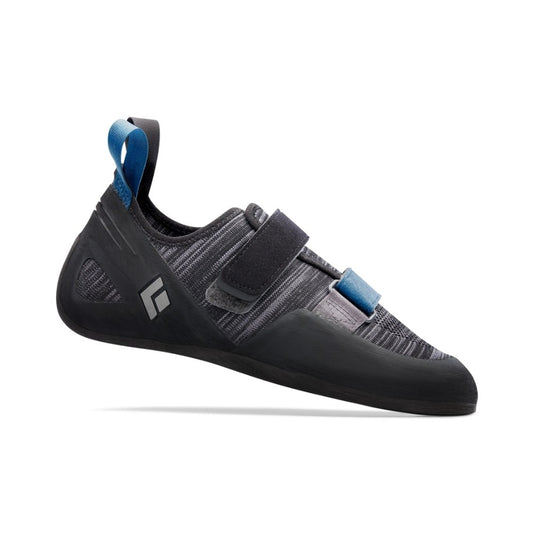
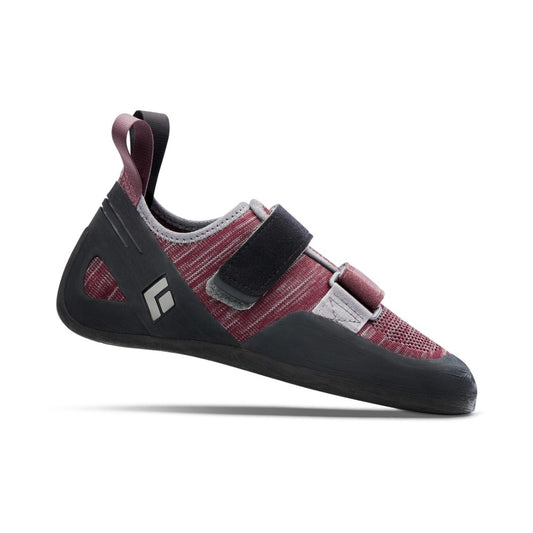
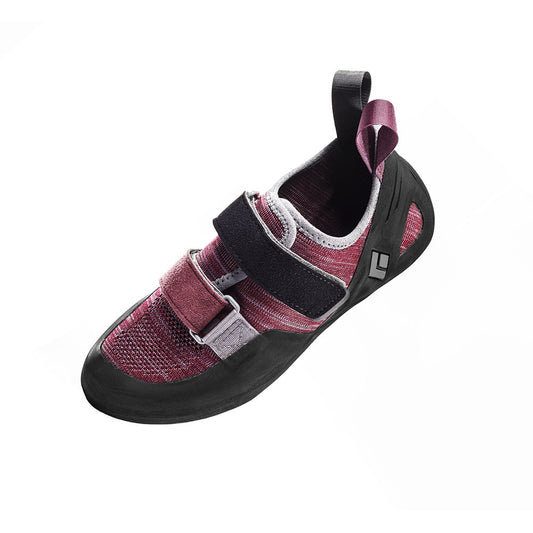
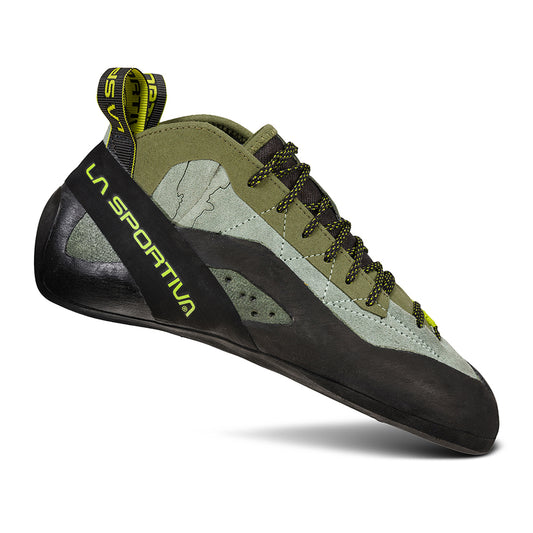
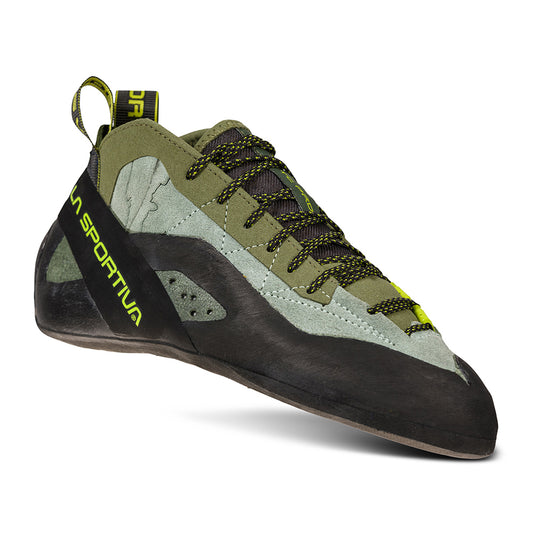
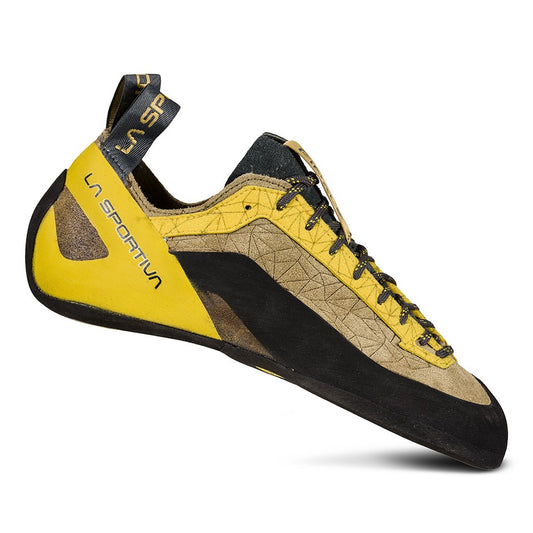
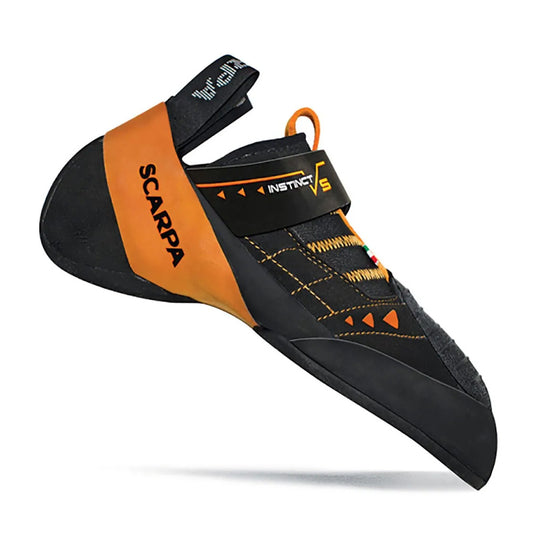
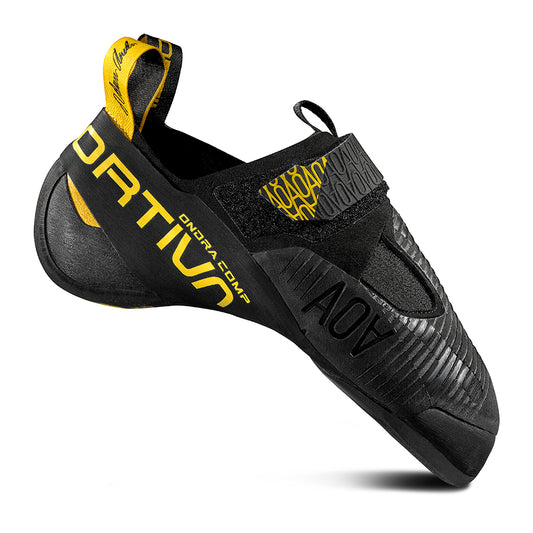
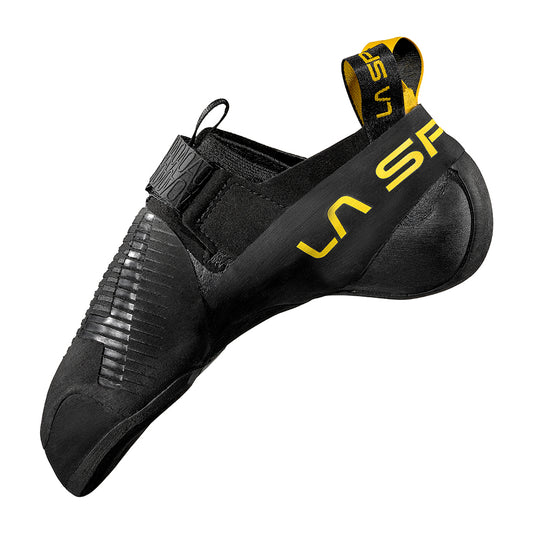
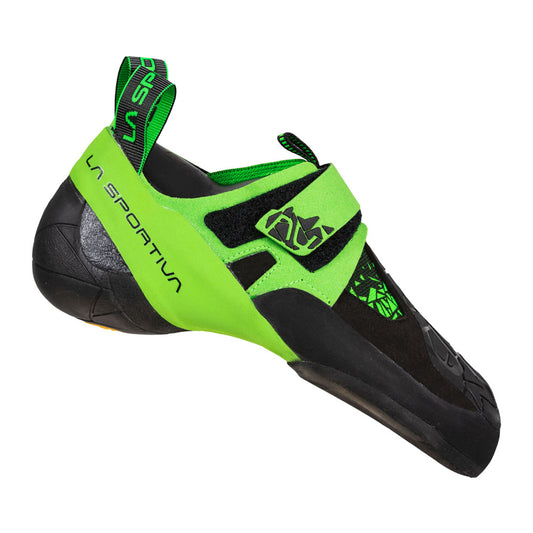
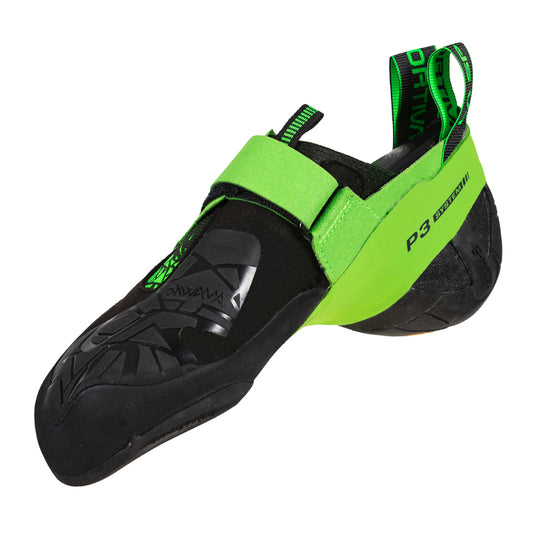
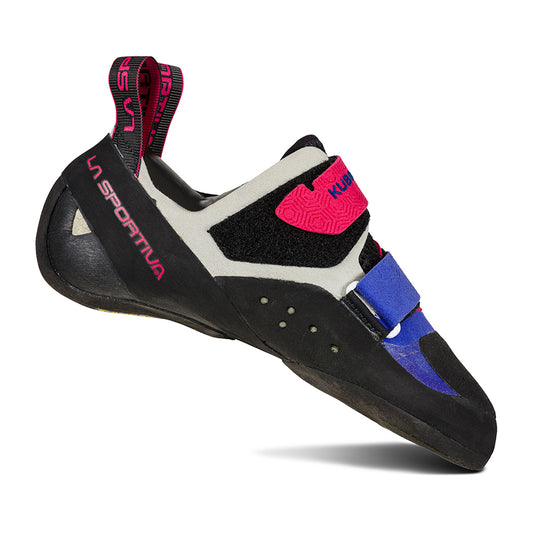
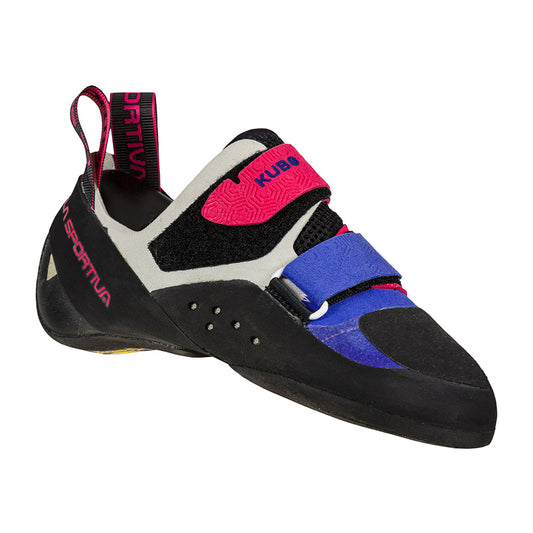
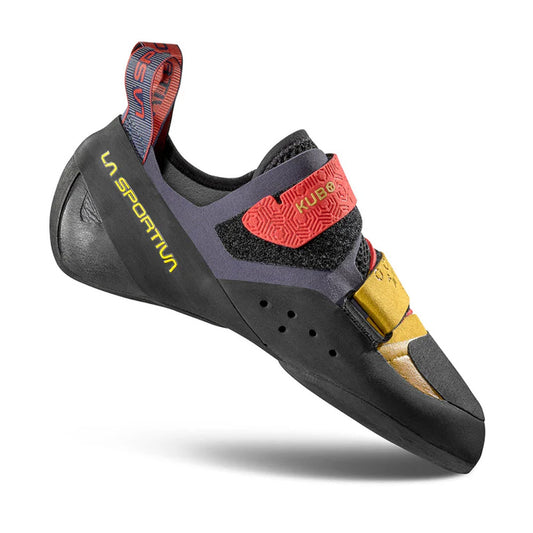
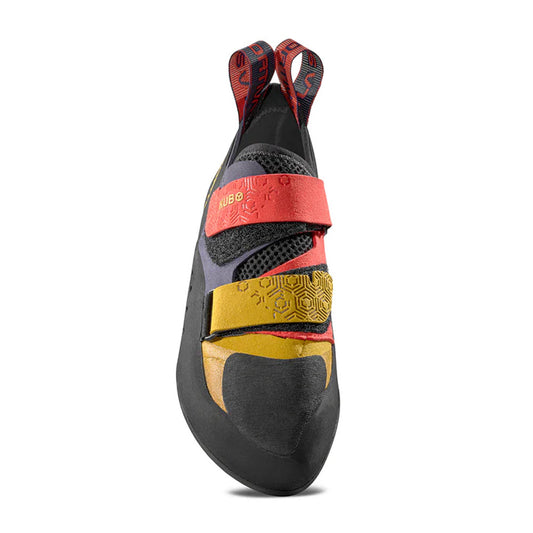
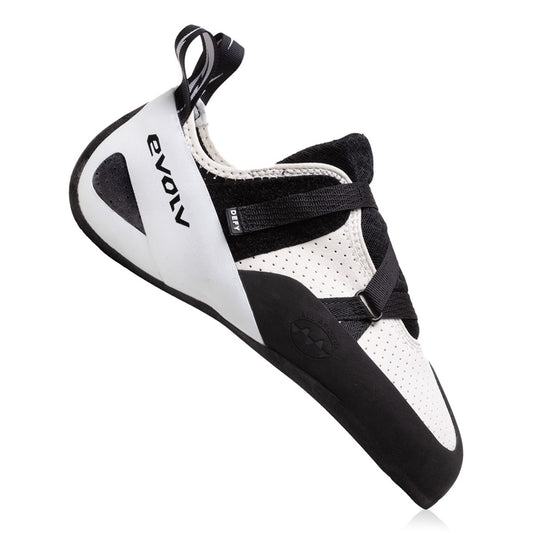
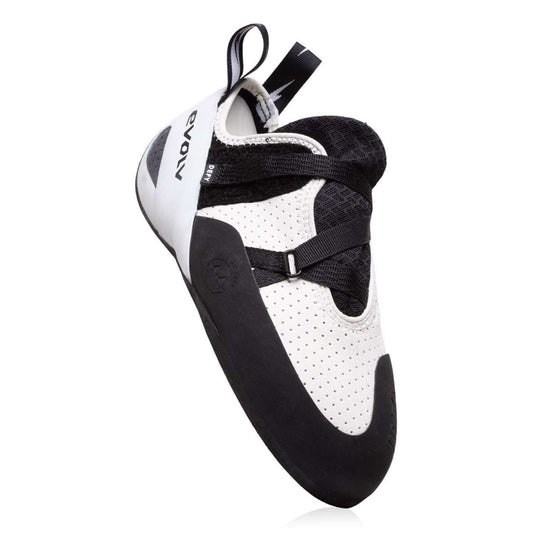
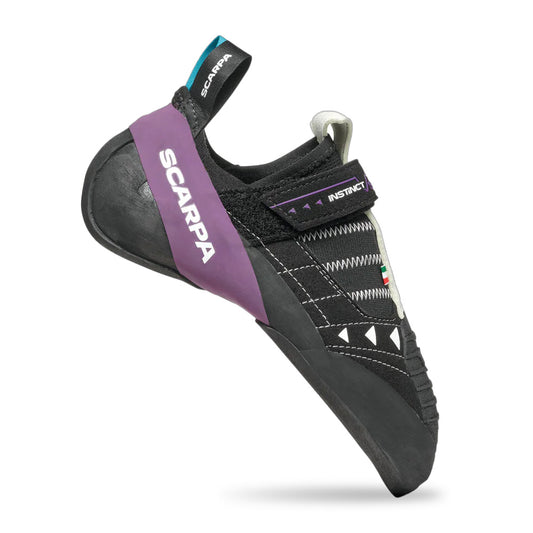
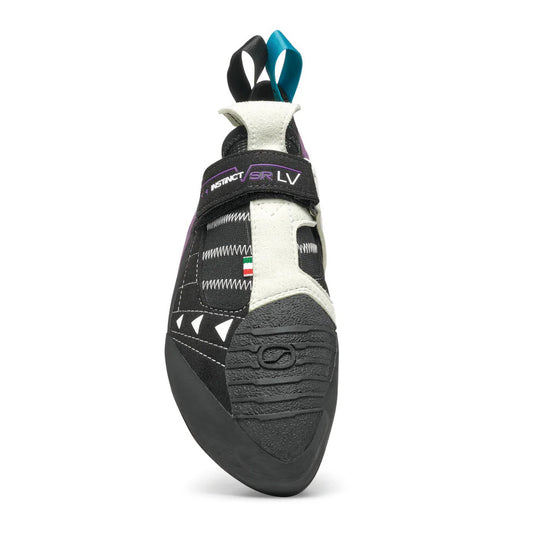
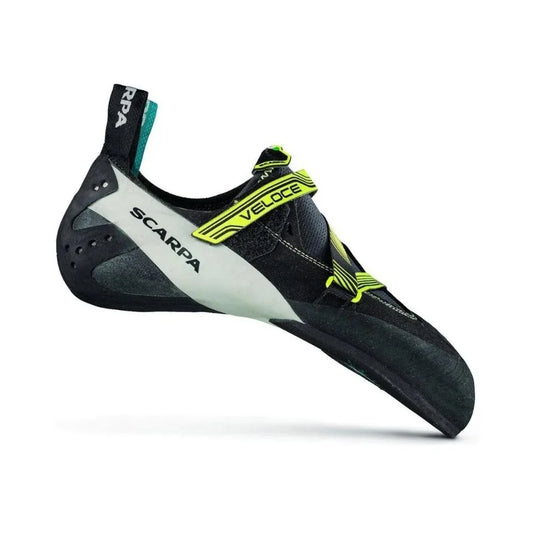
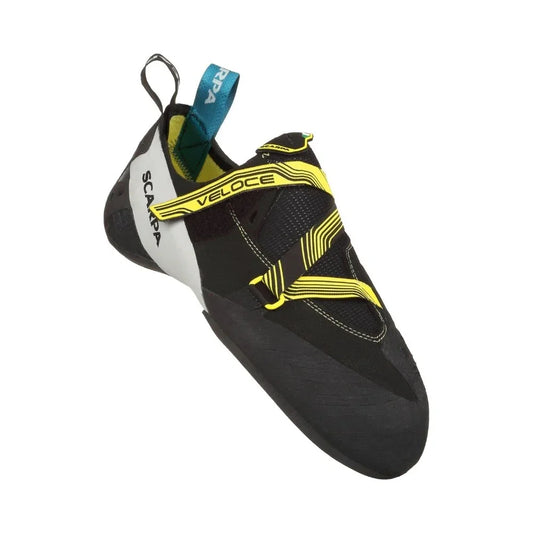
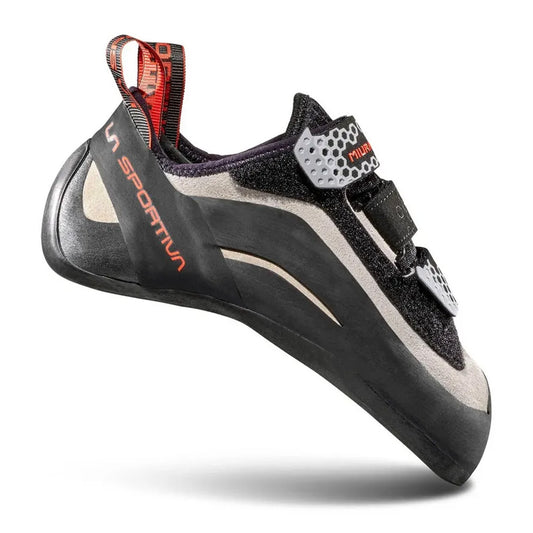
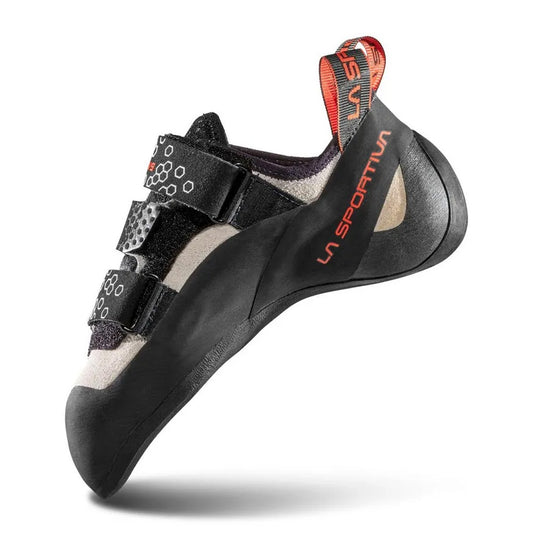
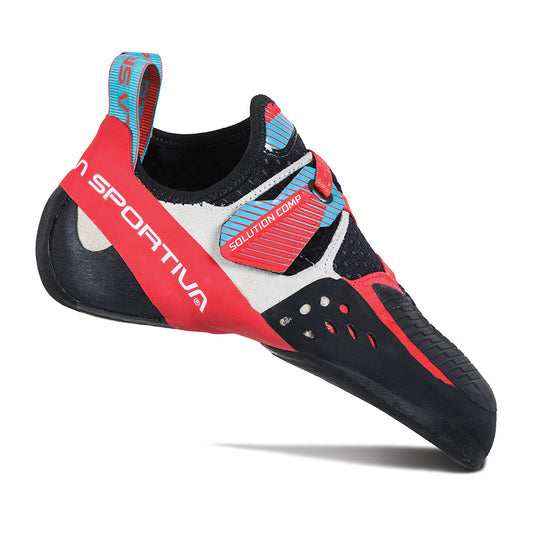
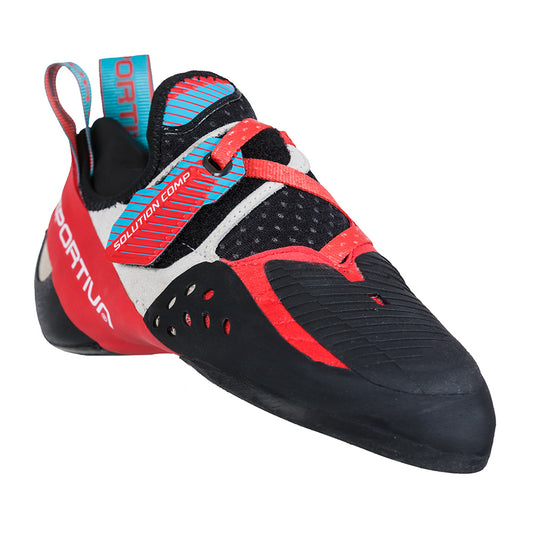
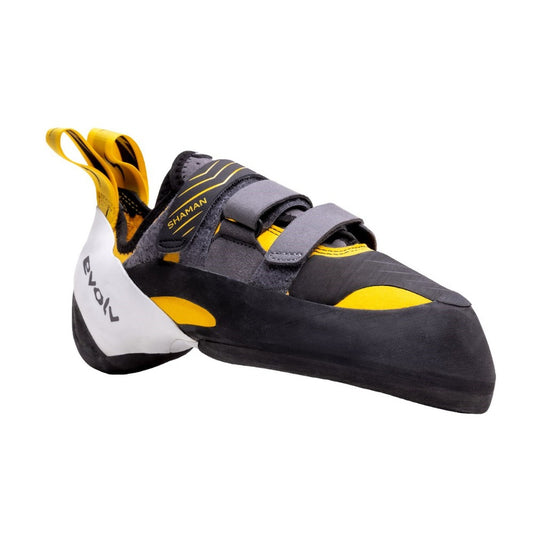
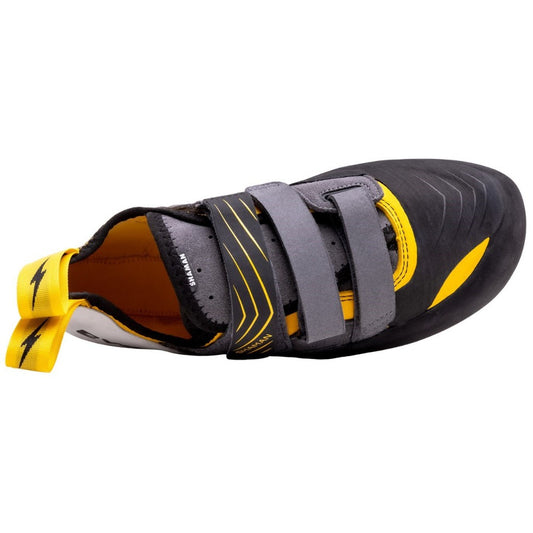
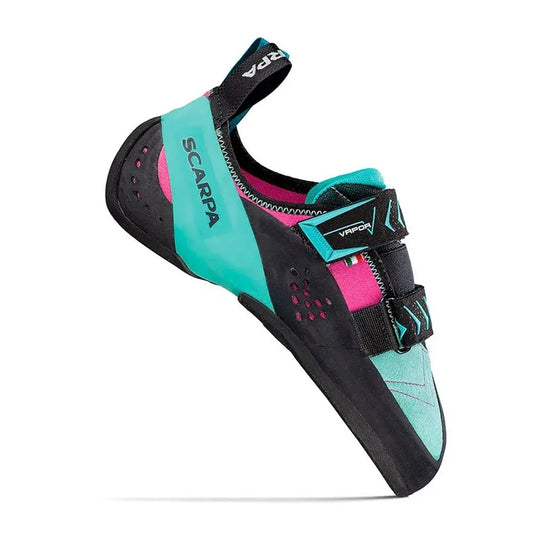
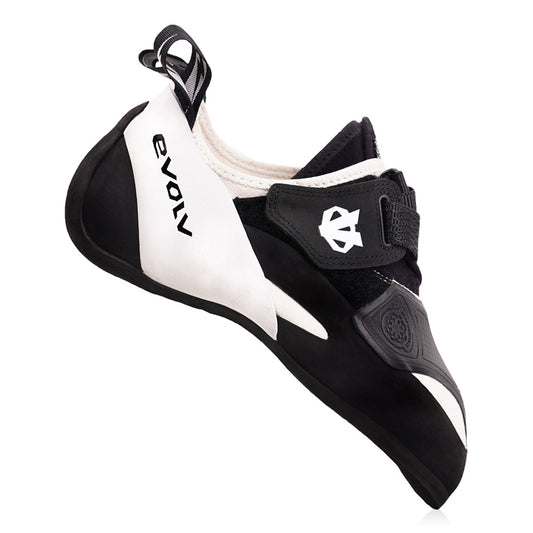
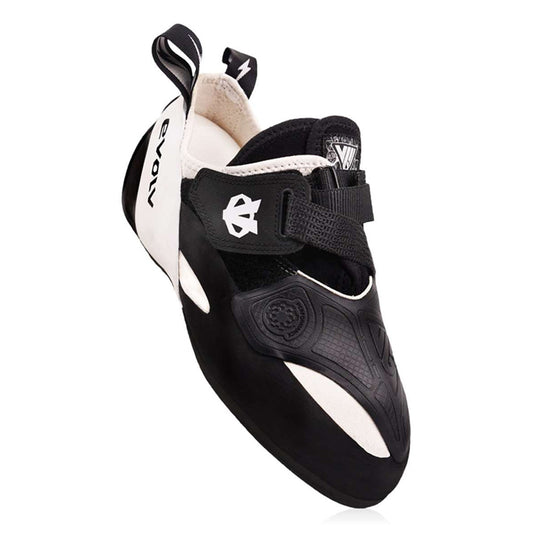
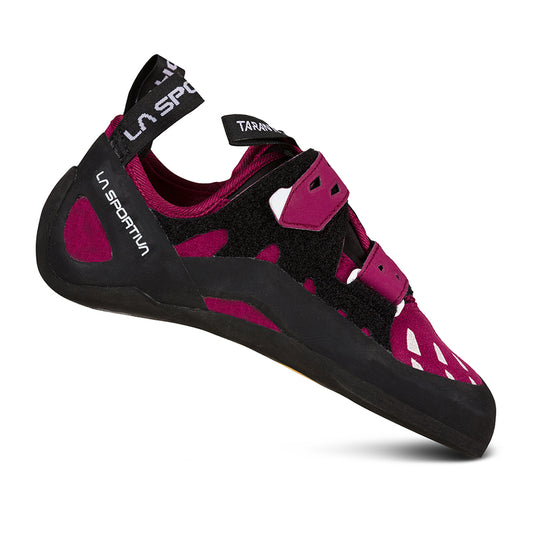
To practise outdoor rock climbing in Quebec, the essential equipment includes a climbing harness, climbing shoes, helmet, rope, quickdraws, belay devices, carabiners, climbing chalk, and a chalk bag. Depending on the type of climbing you plan to do, additional equipment may be required.
What is the best season for rock climbing in Quebec?
The best time for rock climbing in Quebec is from spring through fall, typically from May to October. The most favourable conditions are often found in May–June and September, when temperatures are cooler and humidity levels are lower. Summer is still a great time to climb, although heat and humidity can make some rock faces more slippery.
Explore more tips and advice

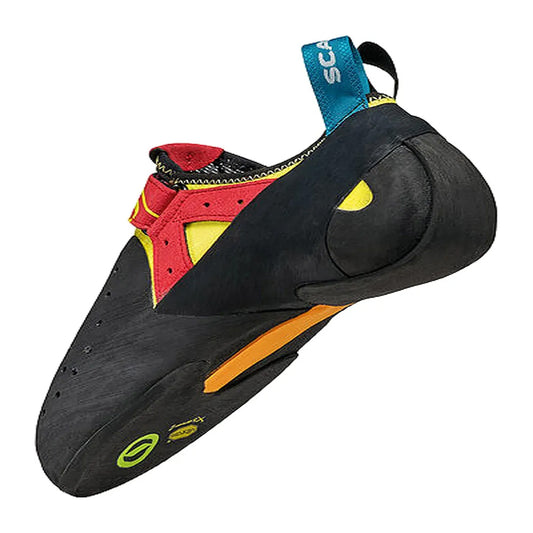
Climbing shoes: how to make the right choice?
Learn the important factors to consider when choosing climbing shoes so you can enjoy every climb, indoors and outdoors.

Our favorite ice climbing destinations
Our favourite ice climbing destinations in Quebec: spectacular sites, technical challenges, and unforgettable winter adventures.

Understanding UV clothing for better sun protection
We often throw on a lightweight shirt thinking we’re well protected from the sun. But not all fabrics offer the same level of protection when it comes to blocking UV rays!
Share this article