How to choose your running shoes according to your practice?

6 minutes
La saison de la course est enfin arrivée, il est donc temps de choisir votre nouvelle paire de souliers de course pour bien profiter de chaque foulée.
   
Vous procurez la bonne paire est essentiel pour un soutien optimal, pour maximiser votre confort et vos performances ainsi que limiter le risque de blessure, que ce soit sur la route ou sur les sentiers.

Determine Your Playground

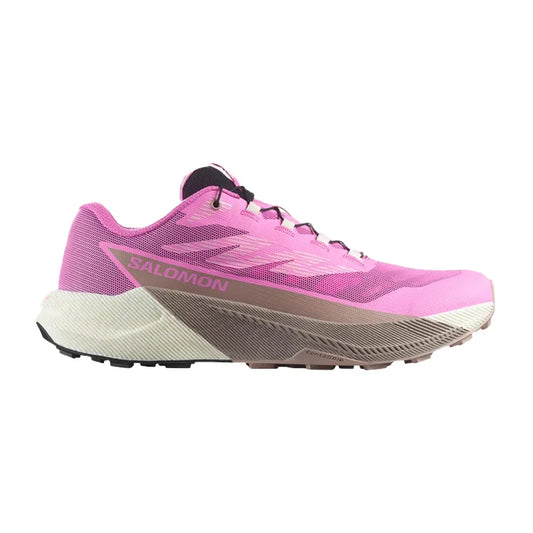
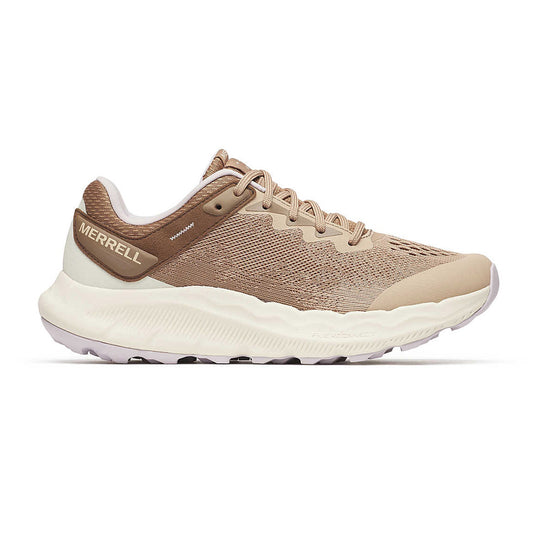
If your preferred practice is road running, opt for light and flexible shoes. These shoes are equipped with a light and breathable upper to allow air to circulate. The outsole, which is designed for asphalt, is without lugs to maximize propulsion. Then, the foam construction of the sole provides good impact cushioning.
 
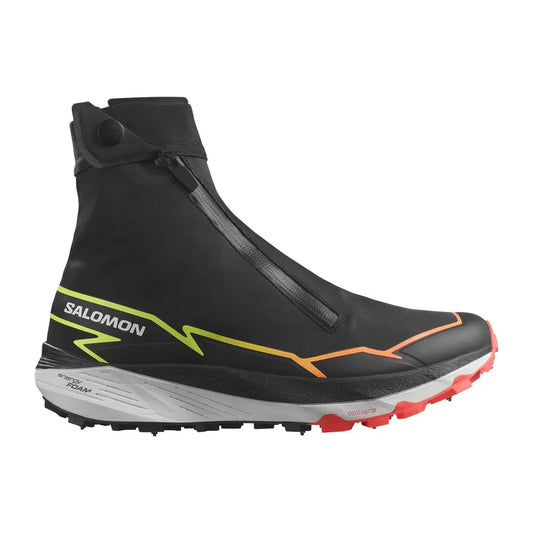
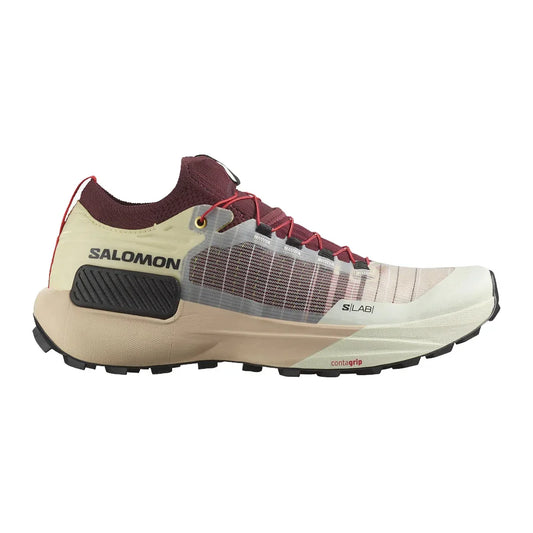
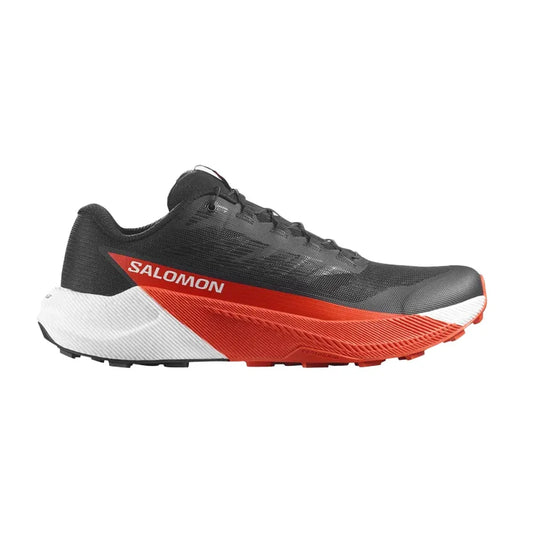
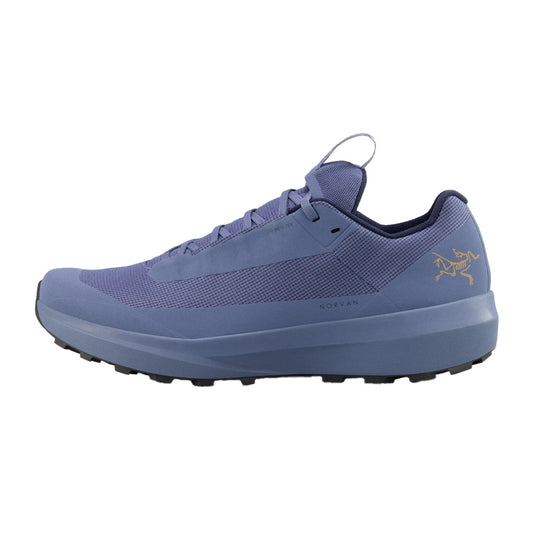
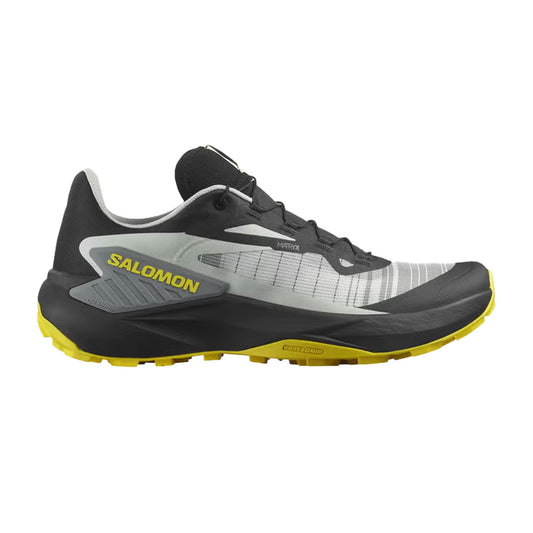
If you prefer trails, equip yourself with shoes specifically designed for trail running. The outsole is equipped with lugs that will allow you to have confidence in every stride on wet, rocky, steep or muddy terrains. The sole is also generally equipped with a rock plate that offers protection against pebbles. Trail running shoes are more rigid than road running shoes to ensure support for the ankle and feet on uneven ground.

Trail running shoes are more rigid than road running shoes to protect you from the elements.
Terrain_de_jeu_course_quebec

Damping

The cushioning absorbs impacts with each stride while offering efficient energy return. The thickness of the foam sole will determine the shoes' ability to absorb impacts.
  
For road running, if you are looking for comfort, get shoes with enhanced cushioning for better impact absorption. On the other hand, if you are looking for performance, opt for less cushioning to promote lightness and responsiveness.

For trail running, enhanced cushioning will offer better energy return in addition to giving your joints a break. On the other hand, less cushioning will allow strides closer to the ground for more responsiveness, but your joints will be more stressed. The level of cushioning for trail running depends, among other things, on each runner. It's often a matter of preference.

Women's running shoes

Flexibility

For road running, flexible shoes are ideal as they will promote the natural movement of the feet. They will help you keep up with the fast and repetitive rhythm of strides on paved surfaces.

For trails, equip yourself with rigid shoes for enhanced protection and stability on uneven terrain.

Be careful, flexibility can also vary depending on each runner, whether you have weaknesses or not. Before making your choice, do running tests to try to understand your stride, then be sure to discuss with an advisor.
Course_a_pied

The Support Level

The level of support is determined by your stride and the shape of your foot. In some runners, their feet tend to roll inward, which is called pronation. In other runners, their feet tend to roll outward when their heels leave the ground, which is called supination. Then some runners simply have a neutral stride.

Pronation and supination can be corrected with running shoes, which is why it's important to make the right choice based on your feet. The right pair of shoes will stabilize your stride to help reduce the risk of injury and make your run easier.

To make the best choice based on your feet and to avoid injuries, do not hesitate to ask a consultant in one of our stores.

Men's running shoes

Elevation Change

The drop represents the difference in height between the heel and the forefoot. The ideal drop for you depends on the shape of your feet and your preferences. Currently, drops range from 5 to 12 mm.

The greater the incline between the heel and the toes, i.e. above 9, the more the stride starts with the heel. This incline allows for better shock absorption, but puts more strain on the knees and hips.

The lower the incline, below 9, the more the stride starts in the middle of the foot. This type of incline puts more stress on the ankles and Achilles tendons.

For beginner runners, shoes with a higher drop are generally recommended. As new runners tend to take longer strides, these shoes encourage strides that start with the heel. 
Share this article

Explore our tips

Courir en toute saison : bien choisir ses souliers

Courir en toute saison : bien choisir ses souliers

Découvrez ce qui distingue les souliers adaptés aux conditions changeantes et comment les modèles ON gardent la course agréable toute l’année.
Le ski de randonnée, par où commencer ?

Ski touring, where to start?

Looking to start the year off on the right foot and looking for a new hobby or challenge? Skiing, hiking, or outdoor sports enthusiasts, ski...
Comment bien choisir vos skis alpins?

How to choose the right alpine skis?

Winter is always more enjoyable when you can enjoy the joys of the snow, and downhill skiing is one of the ways to make the...
Mes 5 plus beaux trajets de ski de fond hors-piste à vie

My 5 most beautiful off-piste cross-country ski trips of all time

Off-piste cross-country skiing is practiced primarily on untracked trails, using sturdy cross-country skis equipped with steel edges. Discover Normand Pion's favorite trails.
Conseils de pro pour skier à fond

Pro tips for skiing hard

Discover our recommendations for taking care of your cross-country skiing equipment and getting the most out of it on your next outings.