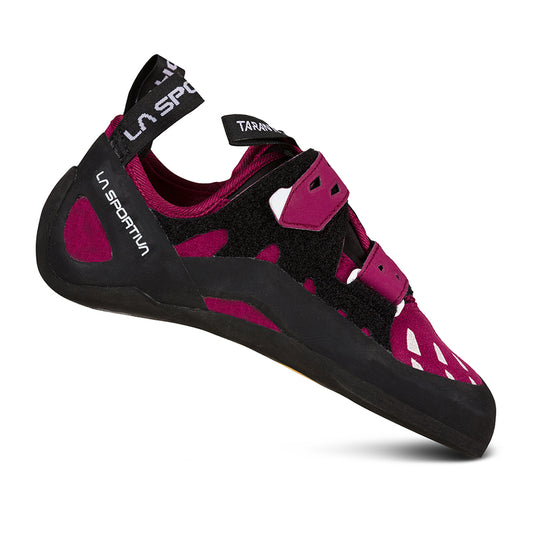
Climbing shoes: how to make the right choice?

6 minutes
Choosing the right climbing shoes can sometimes be tricky. Well-fitted shoes will give you comfort, precision, and performance.

When shopping for climbing shoes, it’s important to take the time to try on multiple models to find the best fit for your foot shape and climbing style.

If you’re a beginner climber, it’s best to go with comfortable and versatile climbing shoes. For experienced climbers, technical shoes that offer enhanced precision will be a better choice.

Learn about the key factors to consider when choosing climbing shoes so you can enjoy every climb, indoors and outdoors.

How will I know if my climbing shoes fit?

Your climbing shoes should hug your feet closely without causing pain or pressure points. While climbing, your focus should be on your movements not on foot discomfort. It’s completely normal for shoes to stretch slightly after a few climbing sessions.

When trying on climbing shoes, pay close attention to the heel area. When standing on your toes, ensure there’s no painful pressure on your Achilles tendon.

Climbing shoe sizing is very different from your street shoe size and it can vary by brand. Choose the smallest size possible that still feels snug and secure without being painful. Sometimes, a half-size can make all the difference.

Properly fitted climbing shoes should allow your toes to curl slightly for added strength. There shouldn’t be any gaps at the heel or arch. Your feet should stay firmly in place with no slipping if the shoes fit well.

Chaussons d'escalade adaptés à vos pieds

1. Camber

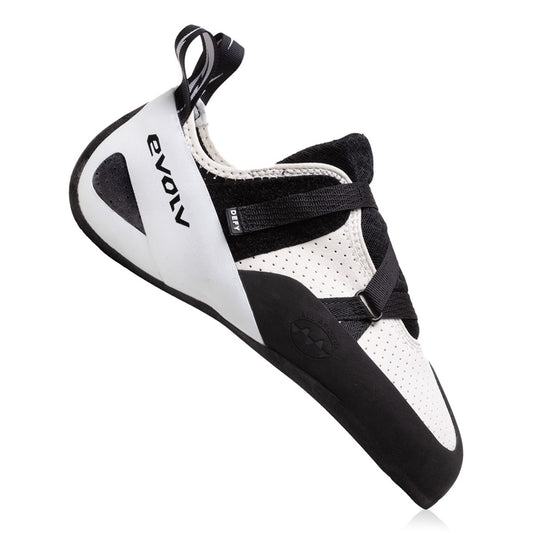
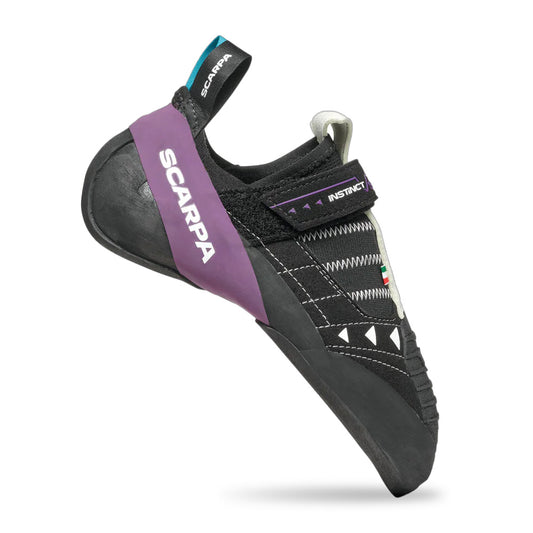
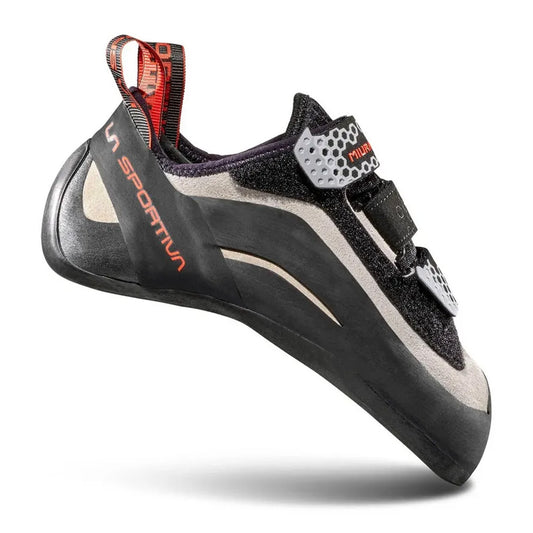
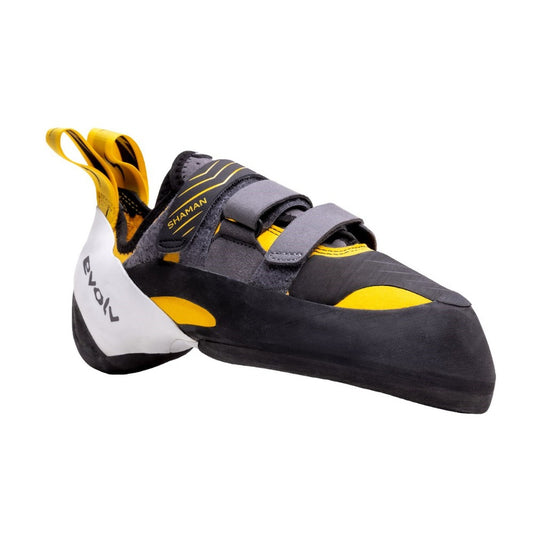
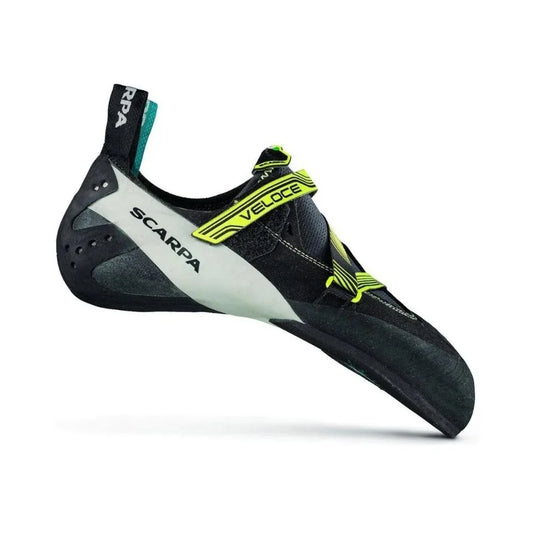
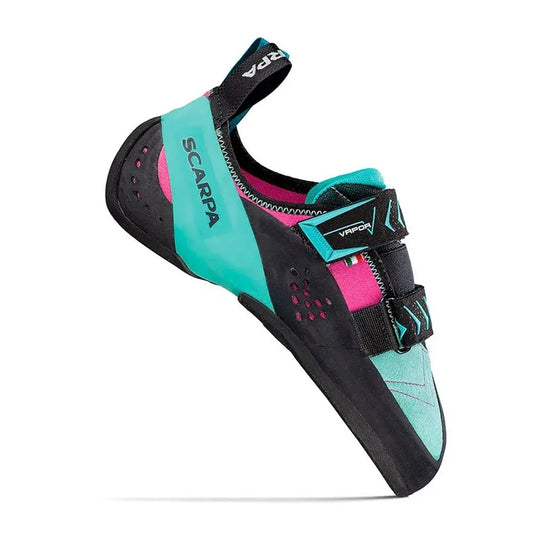
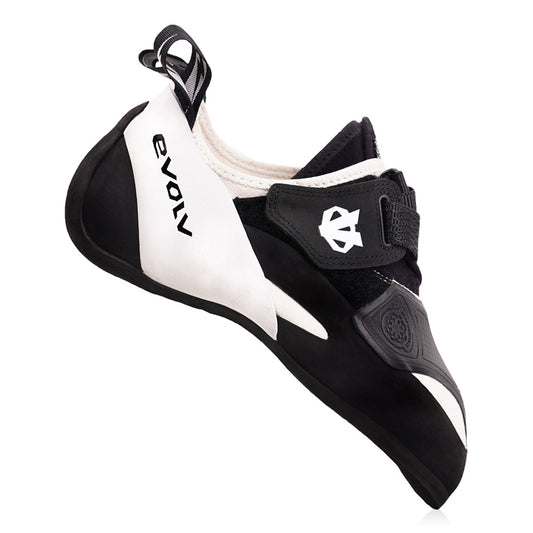
  • Low camber: ideal for beginners seeking comfort. These shoes also work well for long climbing sessions, indoor climbing, crack climbing, multi-pitch routes, and slab climbs. Low camber shoes have a flat profile. When placed on a flat surface, most of the sole should touch the ground, except for a small portion under the arch.
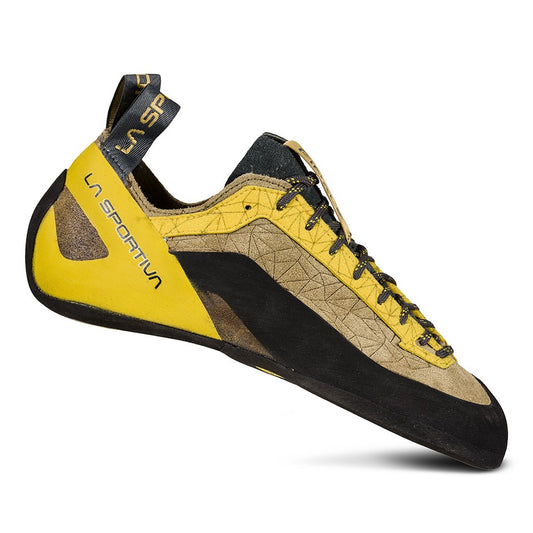
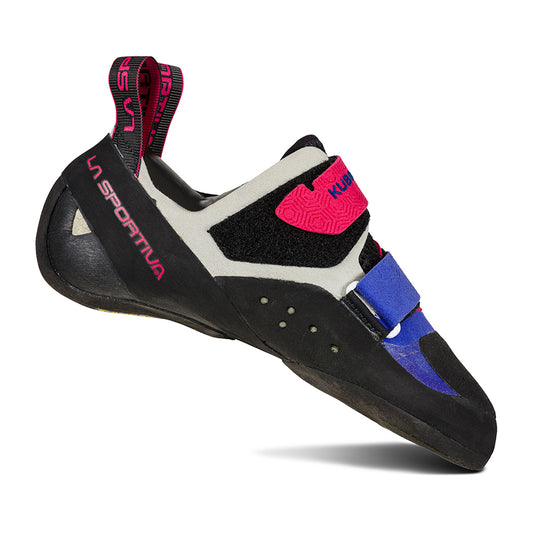
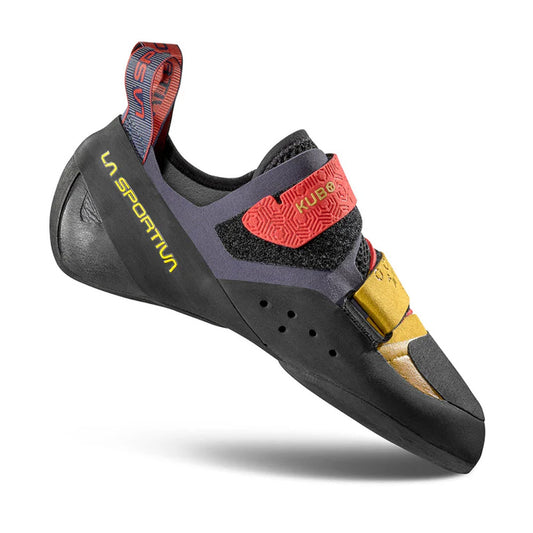
  • Moderate camber: these climbing shoes are slightly asymmetric with a mild curve along the arch. They’re designed for vertical sport climbing, slightly overhanging routes, and traditional climbing. They’re a great option for climbers looking for a versatile shoe for a variety of styles. Moderate camber helps direct power efficiently to the big toe or the shoe’s inner and outer edges.
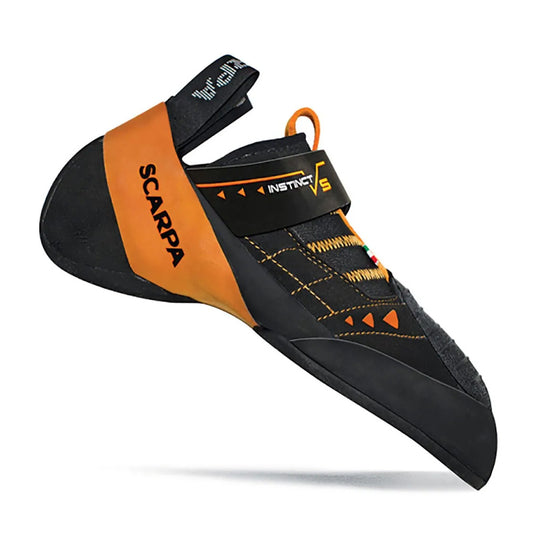
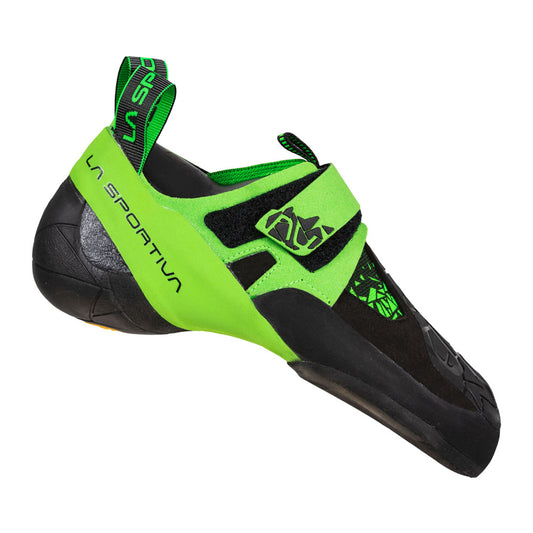
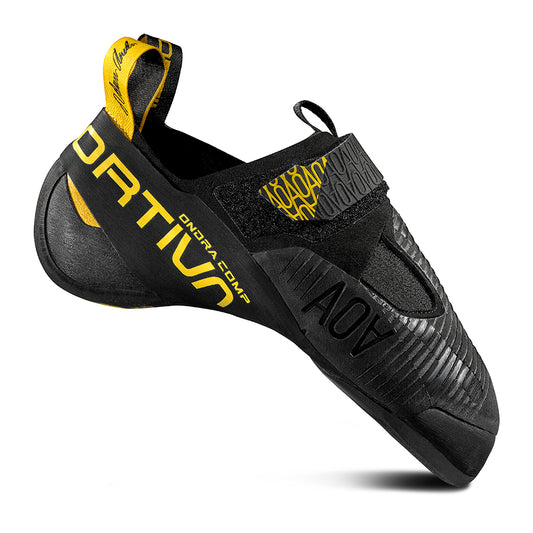
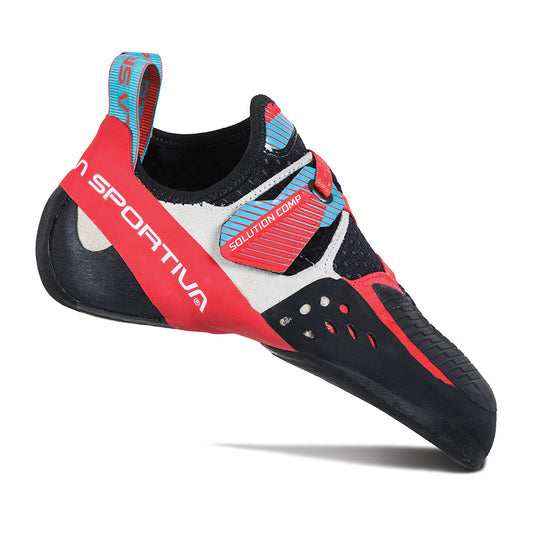
  • High camber: these shoes are highly asymmetrical. The tension pushes your toes forward to focus weight on your big toes. This design offers better grip and helps you perform on overhangs and bouldering problems. Aggressive shoes are better suited for experienced climbers tackling difficult routes and refining their technique.
La cambrure de différents modèles de chaussons d'escalade

2. Stiffness

  • Stiff climbing shoes: Best suited for beginners or multi-pitch climbers. Stiff shoes offer more support and help reduce foot fatigue. They’re ideal for developing technique and strengthening your feet and toes.
  • Soft climbing shoes: ils sont adaptés aux grimpeurs expérimentés qui ont une bonne technique et une bonne force. Ils sont adaptés aux prises en dévers puisqu’ils vont épouser la forme des prises. En revanche, ces chaussons peuvent être inconfortables pour les longues voies. Ils sont conçus pour grimper des parois lisses avec des microprises texturées.

3. Rubber

The rubber is the shoe’s outsole and is crucial for grip and performance. Different brands offer various types of rubber and technologies.

To make the right choice, it’s important to know that softer rubber provides more grip but less support. It’s often a better choice for beginners.

On the other hand, stiffer rubber offers more support on small holds and better precision. It’s typically preferred by experienced climbers.
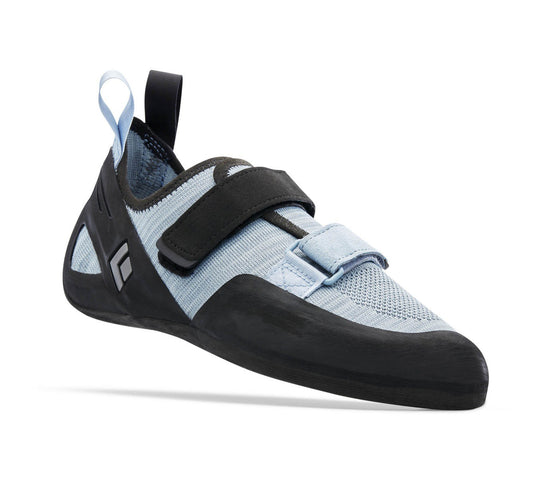
Choisissez vos chaussons d’escalade

4. Closure systems

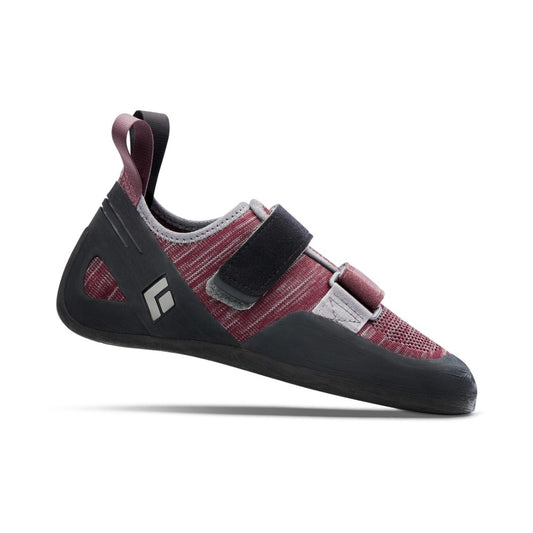
  • Velcro: velcro climbing shoes are easy and quick to put on and take off. They’re ideal if you need to remove your shoes frequently during a bouldering or sport climbing session. Velcro offers a good balance between comfort and performance.
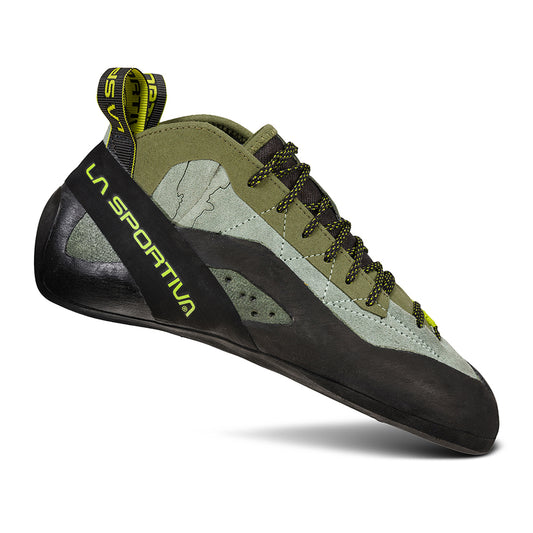
  • Laces: laced climbing shoes allow for a more customized and precise fit, which can be adjusted throughout the day depending on the type of climb. However, they take more time to put on and take off. Watch out for laces that go down near the toe, they can sometimes get in the way or feel uncomfortable on certain holds.

5. Upper materials

Over time, your climbing shoes will mold to your feet, so it’s important to consider the upper materials.

Leather uppers tend to stretch significantly. After a while, your leather shoes may feel looser. When buying leather shoes, consider sizing down. The upside is that leather is breathable and retains fewer odors.

Lined leather or synthetic uppers stretch less than full leather and help the shoes maintain their shape longer.

Microfiber uppers hold their shape the best over time. They’re lightweight, breathable, moisture-wicking, and easy to clean.


Try our slippers in store

To make the best choice, nothing beats trying your climbing shoes in action.

In our stores, use the climbing walls to test them out. You’ll also have the chance to talk with our in-store experts to make a confident, informed decision.

Share this article

Explorez nos conseils

Courir en toute saison : bien choisir ses souliers

Running year-round: Choosing the right shoes

Learn what sets shoes built for changing conditions apart—and how ON keeps running comfortable all year long.
Le ski de randonnée, par où commencer ?

Ski touring, where to start?

Looking to start the year off on the right foot and looking for a new hobby or challenge? Skiing, hiking, or outdoor sports enthusiasts, ski...
Comment bien choisir vos skis alpins?

How to choose the right alpine skis?

Winter is always more enjoyable when you can enjoy the joys of the snow, and downhill skiing is one of the ways to make the...
Mes 5 plus beaux trajets de ski de fond hors-piste à vie

My 5 most beautiful off-piste cross-country ski trips of all time

Off-piste cross-country skiing is practiced primarily on untracked trails, using sturdy cross-country skis equipped with steel edges. Discover Normand Pion's favorite trails.
Conseils de pro pour skier à fond

Pro tips for skiing hard

Discover our recommendations for taking care of your cross-country skiing equipment and getting the most out of it on your next outings.