Comment choisir le bon sac de couchage?

How to choose the right sleeping bag?

6 minutes

Choosing the right sleeping bag is essential to fully enjoy your outdoor adventures, whether you're camping, hiking, or embarking on multiday backcountry expeditions.

In this guide, you'll find everything you need to know about temperature ratings, insulation types, shapes, and sizes. With this information, you'll be able to choose the best sleeping bag for your needs and enjoy a comfortable night's sleep outdoors.
What sleeping bag temperature rating should you choose?
Temperature is one of the most important factors to consider when choosing a sleeping bag. Understanding temperature ratings will help you select a sleeping bag that matches the conditions in which you plan to camp.

Temperature ratings are used to evaluate a sleeping bag's thermal performance. They are established under the assumption that the sleeper is wearing lightweight clothing and sleeping on a sleeping pad.
Understanding temperature ratings
Most manufacturers use ISO or EN standards to assess the thermal performance of their sleeping bags. These standards are based on three measurements:
  • Comfort temperature: the temperature at which you should be able to sleep comfortably without feeling too hot or too cold. This is the most relevant rating to consider when choosing a sleeping bag.
  • Limit temperature: the temperature at which the sleeping bag can no longer effectively retain your body heat, making it necessary to wear additional clothing or use a sleeping bag liner.
  • Extreme temperature: a survival-only rating that should never be used as a reference when selecting a sleeping bag.
How to choose the right temperature rating?
For optimal comfort, choose a sleeping bag with a comfort rating that is slightly lower than the coldest temperature expected during your trip.

However, keep in mind your personal tolerance to cold or heat, as well as factors such as altitude, humidity, wind, the quality of your sleeping pad, and the clothing you plan to wear while sleeping.

Pro tip: when in doubt, choose a warmer sleeping bag. It's always possible to vent excess heat by opening the zipper, whereas warming up in the middle of the night is much more difficult.
Sac_de_couchage__isolant_synthétique
Down or Synthetic Sleeping Bag?
Understanding the difference between down and synthetic sleeping bags is essential for choosing the right model based on your needs, budget, outdoor activities, and the conditions in which you plan to camp.
Down Sleeping Bags
The insulation in a down sleeping bag is typically made from the soft down found beneath the feathers of geese or ducks. This natural material is known for trapping warm air efficiently, providing exceptional thermal insulation.

Advantages of a down sleeping bag:
  • Extremely lightweight and highly compressible, making it easy to pack and carry.
  • Offers an excellent warmth-to-weight ratio, making it ideal for people who tend to sleep cold or for cooler temperatures.
  • Highly durable when properly maintained. It retains its loft and insulating properties for many years, making it a worthwhile investment for frequent campers.

Disadvantages of a down sleeping bag:
  • Down loses much of its insulating ability when wet, making it less suitable for damp environments.
  • Requires regular maintenance to preserve its performance over time.
  • Generally more expensive than synthetic sleeping bags, although its lightweight construction, durability, and performance often justify the investment.
  • Requires more careful maintenance than synthetic insulation.

Ideal for: hiking, backpacking, bikepacking, cold and dry climates, weight-conscious expeditions, and frequent campers.
Sac_de_couchage_momie
Synthetic Sleeping Bags
Synthetic sleeping bag insulation is typically made from polyester or nylon fibres. These materials are designed to mimic the insulating properties and loft of down.

Advantages of a synthetic sleeping bag:
  • Retains much of its insulating performance even when damp or wet.
  • More affordable and easier to maintain than down.
  • Dries quickly after exposure to moisture.
  • Disadvantages of a Synthetic Sleeping Bag
  • Heavier and less compressible than down, requiring more packing space.
  • Over time, synthetic fibres can gradually compress, reducing their insulating performance.

Ideal for: camping in humid conditions, occasional campers, and outdoor activities where weight is not a primary concern.

Among the most respected sleeping bag brands, Rab offers a wide range of models designed for everything from camping and hiking to lightweight adventures, mountaineering, and backcountry expeditions. In fact, sleeping bags were among the very first products developed by Rab.
What Sleeping Bag Shape Should You Choose?
Rectangular sleeping bags
Rectangular sleeping bags are the most spacious models available. They offer greater freedom of movement and a comfort level that feels similar to sleeping under a blanket.

On the other hand, their larger interior volume creates more space that needs to be heated, making them less efficient at retaining warmth than mummy sleeping bags. As a result, they are particularly well suited for warm summer nights.

Because of their larger size, they are also bulkier and take up more space when packed in a storage or compression sack.

If you choose a rectangular sleeping bag and occasionally camp in cooler conditions, consider bringing warmer sleepwear to stay comfortable throughout the night.

Ideal for: warm nights, summer camping, campers who prioritize comfort and space, and adventures where weight is not a major concern.
Mummy sleeping bags
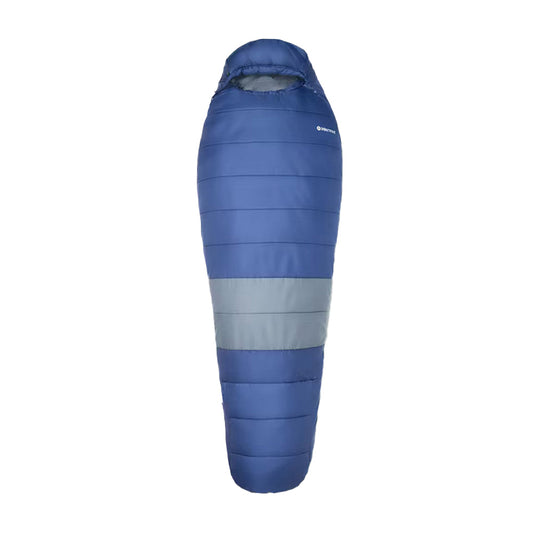
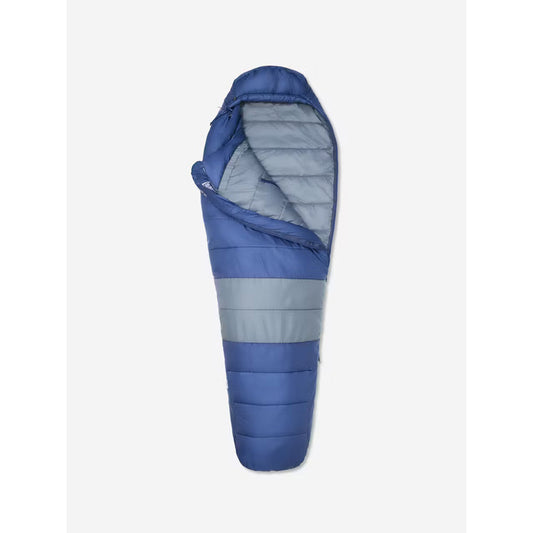
Mummy sleeping bags are designed to follow the natural contours of the body. This close-fitting design helps retain heat more efficiently and maximizes the performance of the insulation. Most models also feature a hood, which further reduces heat loss.

However, their narrower fit offers less freedom of movement than rectangular sleeping bags. If you tend to move around while sleeping or prefer having extra space, this type of sleeping bag may feel less comfortable.

Thanks to their streamlined shape, mummy sleeping bags are generally lighter, more compact, and more thermally efficient. They also offer one of the best warmth-to-weight ratios available.

Ideal for: hiking, backpacking, bikepacking, cold-weather expeditions, and any adventure where minimizing pack weight is a priority.
Double sleeping bags
Double sleeping bags are designed for two people to sleep comfortably in the same bag. Their typically rectangular shape provides plenty of room for a comfortable night's sleep.

Some models can even be separated into two individual sleeping bags, offering added versatility.

However, they are not suitable for every type of adventure. Their larger size generally makes them heavier and bulkier to transport.
Women's sleeping bags
Women's sleeping bags are specifically designed to better match the female body shape. They are generally shorter and narrower at the shoulders while providing more room around the hips.

Some models also feature additional insulation in key areas, such as the feet and torso, to improve heat retention. This design helps maximize thermal comfort, especially on colder nights.

Women's sleeping bags are available in both rectangular and mummy shapes. They are an excellent choice for campers looking for a better fit and enhanced comfort.
How to choose the right sleeping bag size
Choosing the right sleeping bag size is essential for maximizing both comfort and insulation performance.

A sleeping bag that is too large creates extra space and more air that needs to be heated, which can reduce the insulation's ability to retain warmth. On the other hand, a sleeping bag that is too small can be uncomfortable and may compress the insulation around the feet and hood, creating cold spots.

For optimal comfort and thermal efficiency, choose a sleeping bag that provides just a few extra inches of space beyond your height.

Sizing and fit can vary significantly from one manufacturer to another. Be sure to consult the brand's sizing guide to find the sleeping bag that best matches your body type.
Doublure_sac_de_couchage
Sleeping bag liner or travel sheet?
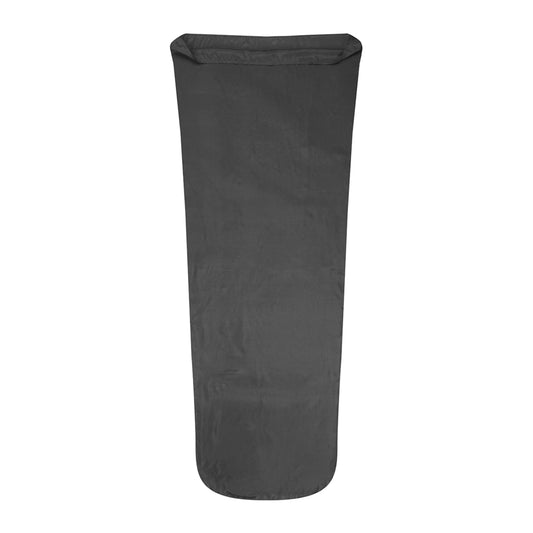
A sleeping bag liner, also known as a travel sheet, is a valuable addition for campers, hikers, and travellers alike.

When camping, this lightweight layer fits inside your sleeping bag and can add a few degrees of warmth on cooler nights. Choose a rectangular or mummy-shaped liner to match the shape of your sleeping bag.

When travelling, it can be used as a travel sheet in hostels, mountain huts, or other accommodations where you prefer to sleep in your own bedding. For this purpose, a rectangular liner generally provides greater comfort and freedom of movement.
A sleeping bag for winter camping
For winter camping, choose a sleeping bag with a comfort rating lower than the temperatures you expect to encounter. This will provide an extra margin of safety if weather conditions become harsher than anticipated.

Opt for a mummy-shaped sleeping bag, as this design is intended to minimize heat loss. An adjustable hood and an insulated draft collar are also essential for retaining body heat. Some sleeping bags are even equipped with an insulated draft tube along the zipper to help prevent cold air from entering the bag.

Together, these features help keep you warm and comfortable during your winter camping adventures.
How to care for your sleeping bag
Proper care helps extend the lifespan of your sleeping bag and maintain its performance for years of outdoor adventures.

Here are a few best practices to follow:
  • Air out your sleeping bag each morning and use a waterproof stuff sack during transport to protect it from moisture and keep it dry.
  • Wash your sleeping bag when necessary, following the manufacturer's recommendations and using a specialized cleaner. For small stains, a damp cloth is often sufficient.
  • Store it in a large breathable storage sack or hang it in a dry, well-ventilated area.
  • Repair small tears promptly to prevent them from getting larger.

Now that you have a better understanding of the key features of sleeping bags, all that's left is to choose the model that best suits your needs, your activities, and the conditions in which you plan to sleep.

If you need additional guidance, visit one of our stores and speak with our experts. They will be happy to help you find the sleeping bag that's best suited for your next adventure.

FAQ – Frequently Asked Questions About Sleeping Bags

How long does a sleeping bag last?

The lifespan of a sleeping bag depends on its quality, frequency of use, and level of care. A well maintained sleeping bag can retain its performance for many years, and some premium models can last well over a decade.

What equipment should I use with a sleeping bag for better sleep while camping?

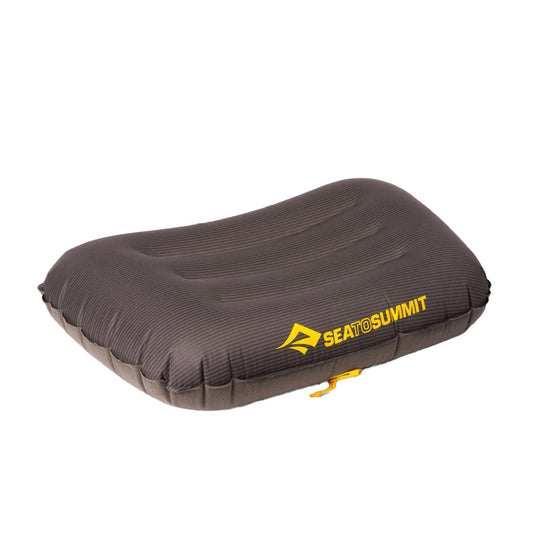
In addition to a sleeping bag, consider using a sleeping pad, a camping pillow, and comfortable sleepwear. Together, these items help create a more comfortable and restful sleep system outdoors.

Why am I cold in my sleeping bag?

Several factors can affect your warmth at night, including humidity, wind, nutrition, fatigue, and the quality of your sleeping pad. A sleeping bag is only one part of an effective sleep system.

Explore more tips and advice

Desktop-1410x400-min

How to choose the right sleeping pad: the ultimate guide

Does the idea of sleeping comfortably under the stars seem impossible? With the right sleeping mat, it's possible.
Decouvrir_quebec_en_camping

Discover Eastern Quebec by camping

Nature getaway in Quebec: 6 campsites between forests, yurts and the shores of the Saint-Laurent, hiking, cycling, kayaking, starry nights.
Camping_arriere_pays

Camping equipment: essentials from shorts trips to expeditions

Head out on a weekend camping trip or a multi-day expedition with all the essential gear you need to stay self-sufficient, safe, and comfortable.
Share this article